Durban: Accommodation, Attractions and Planning Your Stay
Durban, on the KwaZulu-Natal coast, offers a warm subtropical welcome and a vibrant mix of beaches, culture and cuisine. When planning a stay, consider the different neighbourhoods that shape your experience—from bustling beachfront districts to leafy residential suburbs with easy access to the city’s attractions. Durban’s accommodation ranges from modern high-rise apartments to charming guesthouses and self-catering options, suitable for couples, families and groups.
Where to stay matters as much as what you do. The Golden Mile and the beachfront precinct are ideal for visitors who want immediate access to the sea, strolls along the promenade, and proximity to local eateries and casual bars. For a more relaxed environment with residential character, consider areas further inland or along the coast that retain a quieter vibe while remaining within reach of major sights. If you’re travelling with family or planning longer visits, a self-catering option gives you flexibility for meals, laundry and downtime between excursions.
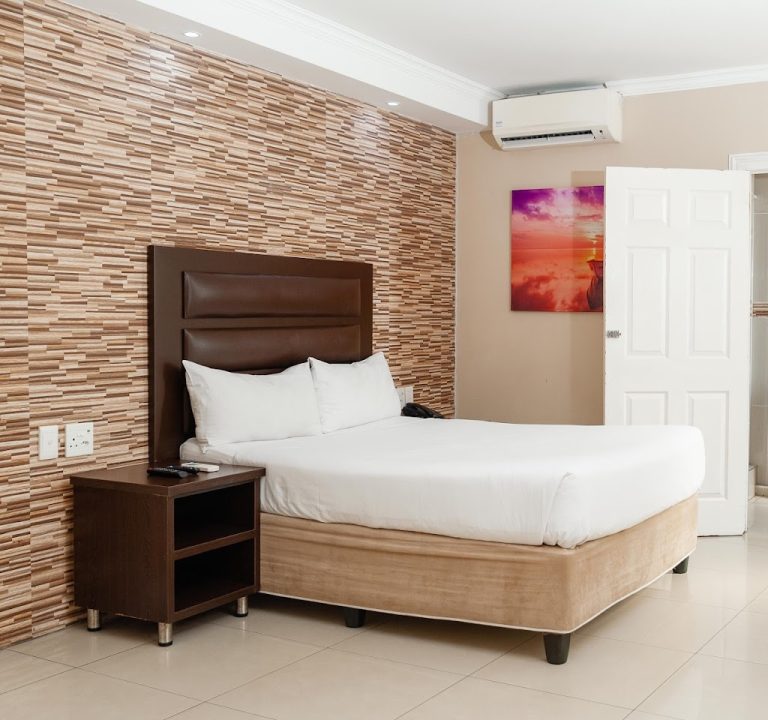
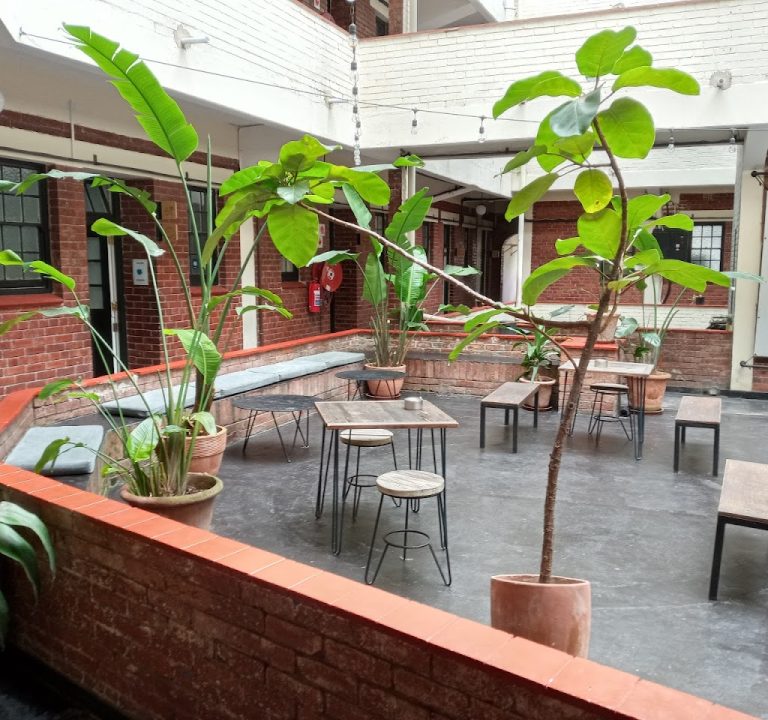
Typical amenities you can expect in Durban’s accommodation include secure parking or easy access to parking, on-site or nearby laundry facilities, self-catering kitchens or kitchenettes, comfortable living spaces, free Wi-Fi, air conditioning or fans, and units designed for groups or families. Many properties also offer access to communal patios, swimming pools, and easy beach access. When booking, check the availability of flexible cancellation, accessibility features if required, and whether housekeeping schedules suit your plans.
Transport to and around Durban is straightforward but varies by area. If you’re staying near the beachfront, walking and short rides are convenient for daily city strolls and meals. For broader exploration—such as inland parks, valleys or hilltop viewpoints—consider renting a car. Durban also has ride-sharing services and limited public transport options; some properties can arrange transfers or provide useful local guidance. Proximity to major routes and secure parking often outweighs proximity to the exact hotel entrance for convenience during longer stays.
Best time to visit Durban is guided by climate and calendar events. The city enjoys warm summers and mild winters, with peak beach season extending roughly from October to April. Hurricanes and heavy rain are relatively rare but can occur during the summer months; plan outdoor activities with a flexible schedule. Winter months (June to August) are cooler and comfortable for city touring, mountain excursions, and cultural activities. If you’re chasing outdoor adventures, spring and autumn often offer pleasant temperatures and fewer crowds.
When planning a stay, think about your must-do experiences and how to balance them with rest. Durban’s coastline hosts a broad mix of activities: long beach walks, water-based adventures, wildlife experiences a short drive away, and heritage sites reflecting the city’s diverse communities. For food lovers, the city’s dining scene is rich with street-food favourites, curry houses, seafood shacks and modern restaurants that celebrate local produce. Rather than focusing on single venues, plan time to explore areas where several options are within walking distance of your accommodation, making evenings easy and relaxed.
One example of a convenient self-catering option is Bayside Self Catering, a property that can appeal to travellers seeking a dedicated home-from-home experience. With a focus on practical, comfortable spaces, Bayside offers the flexibility to prepare meals and enjoy downtime at your own pace. For more information, visit the property’s website: Bayside Self Catering.
- Areas to consider: beachfront districts for quick sea access; central Durban for museums and nightlife; family-friendly suburbs with parks and safe streets; and hillside or inland routes for quieter stays with scenic views.
- What to look for when booking: location relative to your planned activities, parking and security, self-catering facilities if needed, laundry options, guest reviews, and flexibility on check-in/check-out times.
- Typical amenities: air conditioning or fans, kitchen facilities, Wi‑Fi, parking, pool or garden access, and clear house rules or guest policies.
- Transport tips: assess driving or ride-sharing needs, consider proximity to major routes, and check if the property offers shuttle services or easy access to public transport.
- Practical tips: pack light layers for variable coastal weather, bring sunscreen and hats for outdoor days, and plan some downtime between sightseeing to avoid fatigue.
Beyond where you sleep, plan a balanced itinerary that lets you enjoy Durban’s green spaces, museums and markets. Day trips to nearby nature reserves, viewpoints on coastal hills, and cultural centres offer a richer sense of KwaZulu-Natal’s heritage. Dining experiences can range from informal seaside eateries to more established restaurants offering contemporary takes on South African flavours. When you’re organising your days, factor in buffer time for weather changes and café queues, especially during peak seasons.