Durban: Where to Stay, What to See, and How to Plan a Traveller-Friendly Visit
Durban, perched on the eastern coast of KwaZulu-Natal, blends subtropical beaches with a vibrant urban core. When planning a stay in this coastal city, it’s helpful to think in terms of neighbourhoods, transport connections and the rhythm of the day. Durban can feel walkable in the central and beachfront areas, but a touch of planning ensures you get the most from your time—whether you’re drawn to oceanfront strolls, spice markets, or family-friendly adventures.
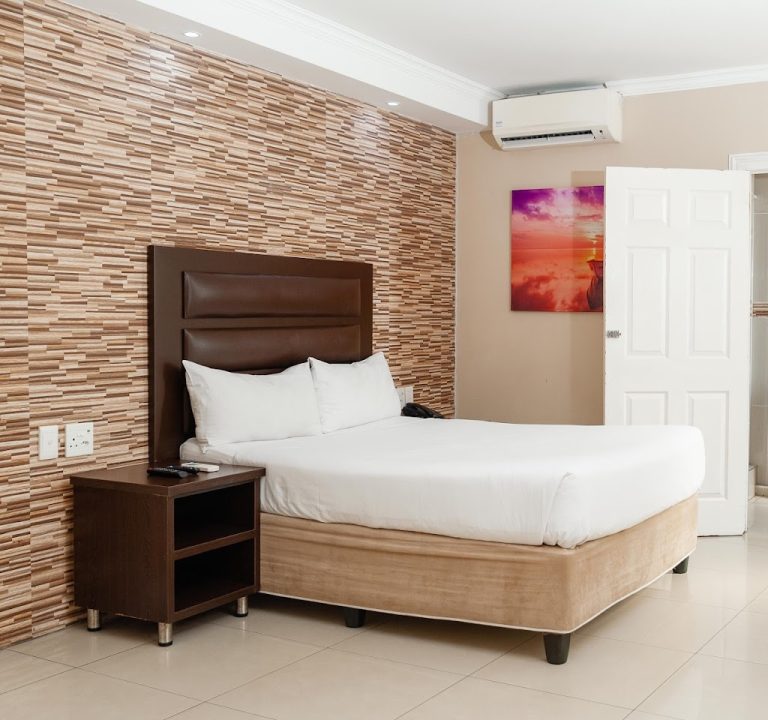
Accommodation in Durban ranges from stylish hotels and guesthouses to modern boutique stays and family-friendly apartments. One well-known option in the area is Bayside Hotel 100, a hotel that sits close to the city’s harbour and promenade, offering a convenient base for exploring the coast and nearby attractions. When choosing where to stay, consider proximity to the places you want to visit, sound levels, and the level of flexibility you need for meals, check-in times, and safe return after a day out.
Areas to consider include:
- The Golden Mile and beachfront strip: ideal for early-morning walks, swimming, and quick access to cafés and casual dining by the sea.
- The central business district and adjoining markets: a hub for culture, street food, and walkable city life, with easy access to public transit.
- Morningside and Umbilo corridors: good for modern hotels, family-friendly properties, and convenient routes to the M5 and northern beaches.
- Durban North and Umhlanga: a short drive or rideshare away for calmer beaches, parklands, and upscale dining options.
What to look for when booking a place to stay in Durban yields practical choices. Notable features include reliable air conditioning or ceiling fans for Durban’s warm climate, en-suite bathrooms, secure parking, and access to a kitchenette or continental breakfast if you prefer to self-cater. Free Wi-Fi is often important for travellers who want to plan day trips or stay connected with family. If you’re visiting during peak summer or holiday seasons, you may want to prioritise properties with late check-out options or on-site staff who can advise on local safety and transport.
Typical amenities across well-regarded Durban properties include a comfortable bed, clean and modern bathrooms, on-site or near-site dining options, and a reception that can help with recommendations for tours and local transport. Some hotels offer pool terraces with sea views, which can be particularly appealing after a day spent exploring. For families, look for larger rooms or suites, a children’s play area, and easy access to beaches or parks. For solo travellers or couples, boutique hotels and guesthouses often provide a more intimate atmosphere with personalised tips from hosts or staff.
Transport in Durban is relatively straightforward, though a little planning helps. The city’s coastal main road links the beachfront with inland suburbs, while a network of taxis and rideshare services can be relied upon for evening plans. If you plan to explore outside the central zones, a hire car can be convenient, though some visitors prefer the flexibility of a taxi or rideshare for day trips to the more distant attractions. Public transport options, including minibus taxis, exist but may be less predictable for first-time visitors, so it’s wise to organise transfers through your accommodation or a reputable provider if you’re unfamiliar with the area.
Best time to visit Durban tends to be year-round, with a warm subtropical climate. March to May and September to November bring pleasant temperatures and fewer crowds than peak holiday months. Summer (roughly November to February) is ideal for beach days, while winter offers cooler, mild days suitable for city wandering and cultural experiences. If your plans include outdoor markets, gardens, or nature reserves, consider the local event calendars for markets, live music, and food-focused events that showcase the region’s culinary flavours.
Tips to make the most of your stay:
- Book accommodations with clear neighbourhood guidance and local tips—hosts and concierges can tailor recommendations to your interests, whether that’s surf breaks, family activities, or nature trips.
- Check for included parking or easy access to public transport, especially if you plan to explore beyond the beachfront.
- Pack light layers for evenings by the sea and sun protection for daytime outings, plus comfortable footwear for markets and promenades.
- Plan a mix of urbano-cultural experiences with nature-based days, such as coastal walks, park visits, and a taste of Durban’s diverse culinary scenes.
- Respect local customs and learn a few basic phrases in isiZulu or isiXhosa to enrich interactions with residents and vendors.
When it comes to attractions and dining, Durban offers a balanced spectrum. You’ll find opportunities to enjoy long seaside walks, explore markets brimming with crafts and spices, and sample curries and grilled seafood in casual eateries. For day trips, consider excursions to nature reserves, wetlands, and scenic viewpoints nearby, or a short drive to the harbour town atmospheres that sit just beyond the city’s edge. For more inspiration and practical planning, a trusted travel site or the official Durban tourism resources can help shape itineraries, transport options, and restaurant suggestions that align with your travel style.