Durban: Accommodation and a Taste of KwaZulu-Natal’s Humid, Friendly Coast
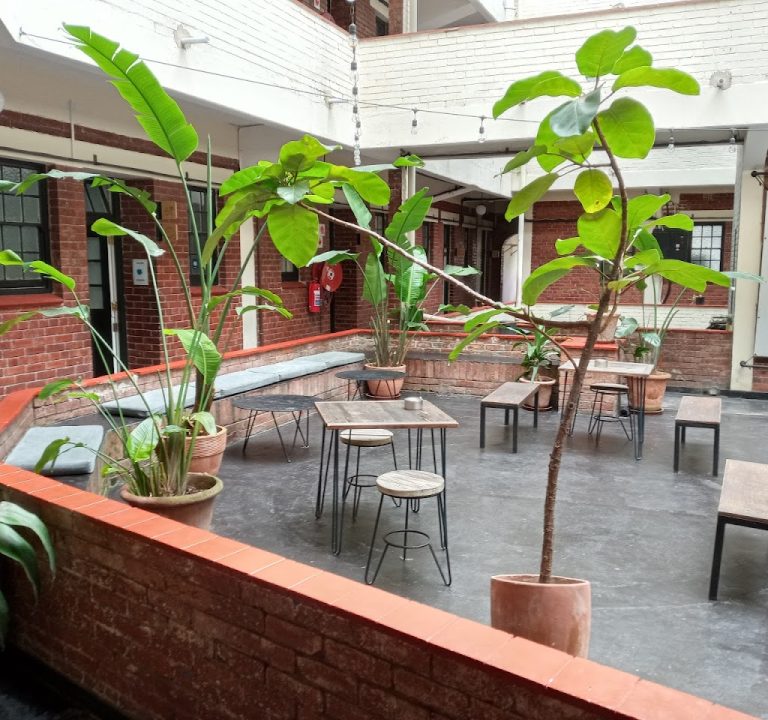
Durban blends beaches, culture and a laid‑back South African charm that appeals to both solo travellers and families. When planning a stay, consider areas that match your priorities—beach access, quieter neighbourhoods, or easy access to the city’s attractions and transit links. For a practical example, you might briefly explore options at Halo Hybrid Hotel, a well‑located hostel that offers a sociable base for groups and budget travellers looking to meet others while staying close to Durban’s central sights. Visit their site for details on facilities and booking options: http://www.halohotel.co.za/.
Durban’s central stretch along the Golden Mile is perfect for first‑timers, with a long promenade, family‑friendly beaches and a cluster of museums and eateries within easy reach. If you prefer a more residential vibe, consider staying in the Berea or Morningside areas, where leafy streets, boutique cafés and convenient access to the city’s parks and shops provide a different flavour of Durban. For those seeking a coastal retreat with retail and dining options on the doorstep, the up‑market suburbs around Umhlanga and La Lucia offer newer developments, upscale guesthouses and self‑catering flats, a short drive from the airport and major motorways.
What to look for when booking
- Location relative to the beach, waterfront attractions, and public transport routes.
- Proximity to grocery stores or cooking facilities if you plan to self‑cater.
- Room configuration and privacy, especially for families or groups sharing space.
- Safety features, secure parking, and clear access instructions.
- Availability of amenities that suit your pace, such as a pool, lounge spaces, clean communal areas, reliable wifi, and shuttle arrangements if you’ll rely on local transport.
- Flexible check‑in/out and clear cancellation policies, particularly during shoulder seasons when rates fluctuate.
Typical amenities you may encounter
- Free or paid wifi in rooms and common areas, with dedicated workspaces for travellers who need to stay connected.
- Self‑catering kitchens or kitchenette facilities for budget‑conscious stays.
- Laundry facilities either on‑site or nearby, plus ironing and drying spaces.
- Communal lounges, picnic areas or rooftops with city or sea views, ideal for socialising or planning day trips.
- Benches or shaded courtyards, as Durban’s climate can be hot and humid, making outdoor spaces pleasant for breaks between activities.
- Secure access and on‑site staff or reception with local tips on places to eat and things to do.
Transport and getting around
Durban’s layout favours a car for easy exploration of inland sights or longer trips, but many areas are walkable or served by reliable ride‑hailing services. The MyCiTi bus network has expanded in recent years and can be a practical way to move between central districts and the beachfront. Taxis and ride‑hailing apps are widely used, particularly for airport transfers or late‑night returns. If you are staying near the coast, you’ll likely walk the Golden Mile and the beaches during daylight, with evenings spent sampling the diverse dining scene in nearby neighbourhoods. When budgeting for transport, factor in airport transfers if you’re not renting a car, and check whether your accommodation offers a shuttle service.
Best time to visit and practical tips
Durban experiences a warm, subtropical climate with hot summers and occasional humidity. The peak tourist season runs from December to February, when school holidays and favourable beach weather boost crowds. Winter (June to August) is cooler but usually dry and pleasant for outdoor exploring, with far shorter queues at popular attractions. If you enjoy markets, craft stalls and fresh produce, mornings in the warmer months are ideal. Pack light layers for evenings and a water bottle to stay hydrated on long walks along the coastline.
Practical planning tips
- Book in advance for coastal stays during school holidays and long weekends, especially in popular areas like the Golden Mile, Morningside and Umhlanga.
- Check access and parking options if you’re driving; some properties offer secure parking or easy street parking nearby.
- Look for accommodation with a kitchen or a kitchenette if you plan to prepare meals, which can help balance higher restaurant costs in peak periods.
- In peak times, plan attractions for early mornings or late afternoons to avoid heat and crowds.
- Consider experiences beyond beaches: nature reserves, botanical gardens, and cultural districts offer rewarding day trips or half‑day itineraries.
Attractions and dining, in general terms
Durban’s attraction mix ranges from family‑friendly seaside promenades and water‑based activities to cultural hubs and historic streetscapes. You’ll find museums and galleries that illuminate the region’s Zulu heritage, maritime history, and contemporary art. The coastline provides great runs or walks, interspersed with café terraces and markets. Dining reflects Durban’s diverse population, with Indian, African and international influences featuring in restaurants and street food stalls alike. Markets and eateries tend to emphasise fresh produce, coastal seafood and rich spice blends, so there are ample opportunities to sample local flavours without committing to a single venue for the entire stay.
With careful planning, a Durban stay can be as relaxed or as full as you desire. Choose a neighbourhood that fits your rhythm, balance downtime with discovery, and let the warmth of the city guide your days. For further inspiration and current availability, explore credible accommodation platforms and review sites, and consider reaching out to properties like Halo Hybrid Hotel to understand what they offer for your travel party.