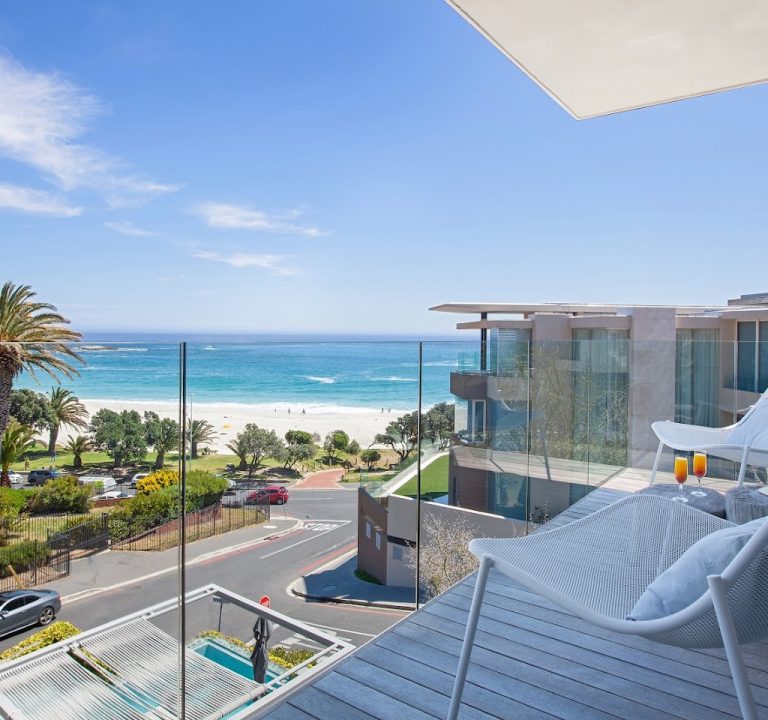
Planning a Stay in Cape Town: Accommodation, Areas and Essentials for a Great Visit
Cape Town blends dramatic scenery with a diverse range of places to sleep, from stylish boutique inns to modern lodges and family-run guesthouses. When planning a stay, the key is to match your lodging to the kind of experience you want—whether it’s a beachside break, a city-centre base for exploring museums and markets, or a peaceful retreat tucked into the Winelands foothills. Below is a practical guide to help you choose accommodation, navigate neighbourhoods, and make the most of your time in the Western Cape.
Areas to consider
- V&A Waterfront and the Foreshore – A convenient base for first-time visitors who want easy access to shops, dining, and harbour views. Accommodation here tends to be contemporary with good security and waterfront ambience, though it can be more business-oriented.
- City Bowl and Gardens – Within walking distance of museums, theatre, and the central business district, this area offers boutique hotels and guesthouses in quiet streets with leafy outlooks. It’s ideal for urban explorers and those who enjoy dining out without long transfers.
- Atlantic Seaboard (Camps Bay, Clifton, Bakoven) – If your priority is dramatic coastal scenery, white-sand beaches, and sunset walks, look for sea-facing rooms and modern apartments. Expect higher prices and a busier nightlife scene in peak season.
- Constantia and the Southern Suburbs – Perfect for a tranquil island of greenery and vineyard experiences. Great for travellers seeking rural charm with proximity to wine estates, wildlife reserves and hiking trails.
- Southern Peninsula (Mouille Point to Hout Bay) – A scenic drive between coastal towns offers a mix of self-catering apartments and guesthouses with easy access to nature reserves and coastal paths.
What to look for when booking
- Location relative to your planned activities. If you want to spend long days on Table Mountain, consider staying near Tafelberg or in the central areas for shorter transfers.
- Access to transport. In Cape Town, a car offers flexibility, especially for beach days and westward excursions, but reliable public transport and rideshares are good alternatives for city exploration.
- Amenities and room configuration. Look for en-suite bathrooms, secure parking if you have a vehicle, reliable wifi, and options for breakfast or easy access to cafés nearby.
- Safety and access. Check reviews for safety, well-lit streets, and building access, particularly if you prefer a quiet, residential atmosphere after sunset.
- Flexibility and cancellation policies. Peak seasons can be busy; flexible booking terms help with any travel changes.
Typical amenities and practical tips
Most Cape Town accommodation offers a mix of modern comforts and local character. Expect welcome features such as tea and coffee facilities, daily housekeeping, and guidance on routes to key sights. Some inns and guesthouses serve breakfast with regional flavours, while apartments may provide self-catering kitchens for longer stays. When booking, consider these practical points:
- Transport friendly rooms – If you plan day trips to the Cape Winelands, Simon’s Town, or Cape Point, choose a property with easy road access and parking, or close proximity to reliable public transport or rideshare options.
- Views and soundproofing – Sea-facing rooms offer memorable mornings, but higher floors can help minimise street noise in busy areas.
- Outdoor spaces – Balconies, courtyards, or shared terraces enhance stays, especially in temperate months when outdoor living is part of the experience.
- Water and energy usage – Some properties operate with water-saving measures or rainwater collection; you may encounter modest restrictions during dry spells, so plan accordingly.
- Local tips – Many hosts provide curated recommendations for markets, beaches, and lesser-known vantage points that help you avoid crowds.
Best time to visit and practical planning
Cape Town’s climate is Mediterranean, with warm, dry summers and cool, wet winters. The peak tourist season runs from December to February, when beaches are busiest and days are long. For milder weather and fewer crowds, consider late spring (October to November) or autumn (March to May). Winelands exploration is pleasant year-round, though springtime wine harvests can add extra charm to vineyard visits. If you want to combine a city stay with outdoor adventures, allocate time for a cable-car or hiking excursion up Table Mountain, a visit to Kirstenbosch National Botanical Garden, and a day trip to the Cape Peninsula for dramatic coastal scenery and wildlife viewpoints.
Bayon House, an inn-style stay, offers a convenient example of how a well-run property can harmonise comfort with local character. A stay at an inn such as Bayon House can highlight thoughtful touches—well-appointed rooms, intimate living spaces, and a central location that makes exploring the surrounding neighbourhood straightforward. For guests, this kind of accommodation often means a more personal welcome, helpful tips on local dining and activities, and opportunities to mingle with fellow travellers in shared spaces or courtyards.
Dining and experiences to consider
While the city’s dining scene is diverse, you don’t need to plan every meal in advance. Cape Town offers everything from casual brunch spots with harbour views to refined eateries showcasing South Africa’s culinary heritage. For a balanced itinerary, mix simple breakfasts near your base with a couple of standout dinners at eateries within easy reach of your accommodation. When selecting activities, aim for a blend of nature experiences (beaches, viewpoints, and coastal walks), culture (museums, galleries, markets), and a relaxed day in the Winelands or Constantia valley. If you prefer guided experiences, look for reputable operators offering day trips that can be booked through your hotel or guesthouse, with clear itineraries and sensible pacing.
Getting around and staying safe
Public transport in Cape Town is improving, with elevated convenience for central stays. The MyCiTi bus network serves many central routes, while Uber and other rideshare services are widely available. If you’re driving, be mindful of restricted areas and peak-traffic times, especially on the Atlantic Seaboard and in the CBD. As in any city, basic safety can be improved by using well-lit, populated areas after dark, keeping valuables secure, and planning ahead with your accommodation for late arrivals. With thoughtful planning, Cape Town offers a dynamic mix of scenery, culture, and hospitality that suits a wide range of travellers and budgets.