Where to stay and what to do in Bela-Bela, Limpopo
Bela-Bela, historically known as Warmbaths, is a gateway to the natural beauty and wildlife experiences of Limpopo. The town sits close to the Park relevant to the region, offering a convenient base for exploring water holes, game reserves, and bushveld walks. Planning a stay here means weighing the options between self‑c drive lodges, family-friendly farms, boutique guesthouses, and larger hotels that cater to practical needs like self‑catering facilities, parking, and easy access to main roads.
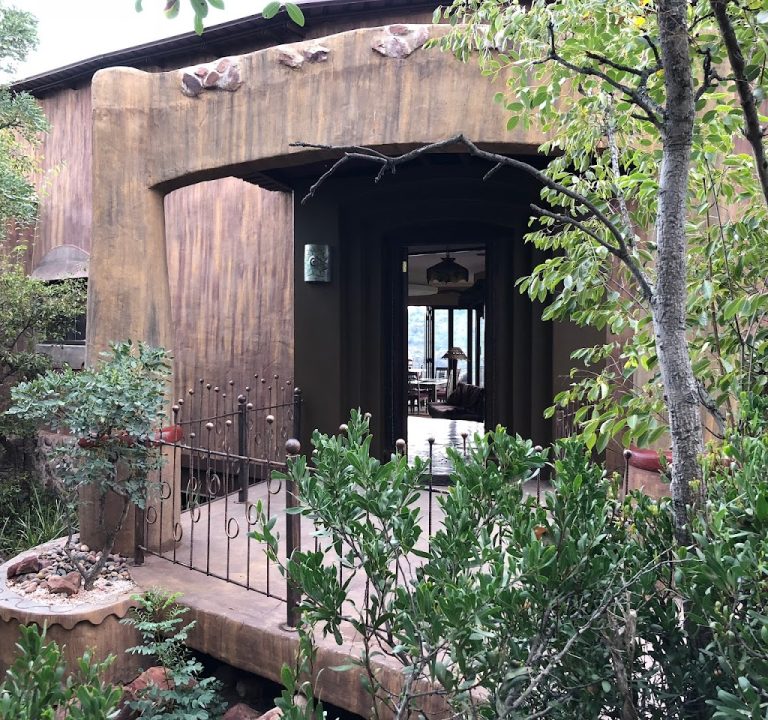
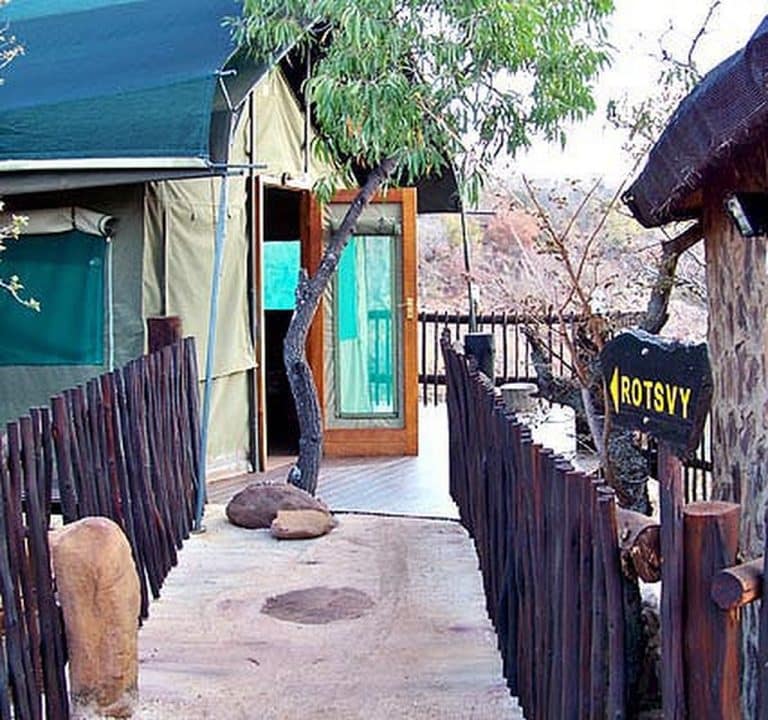
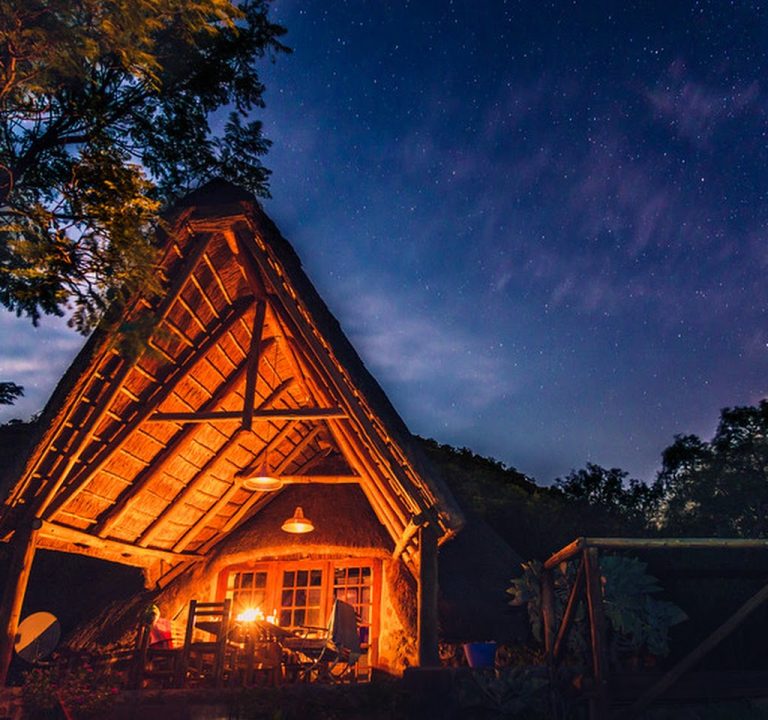
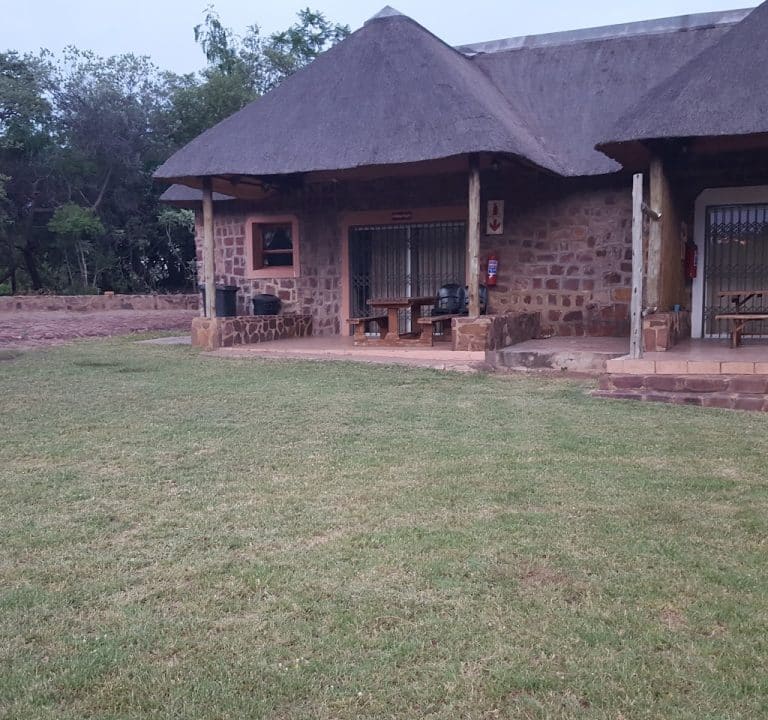
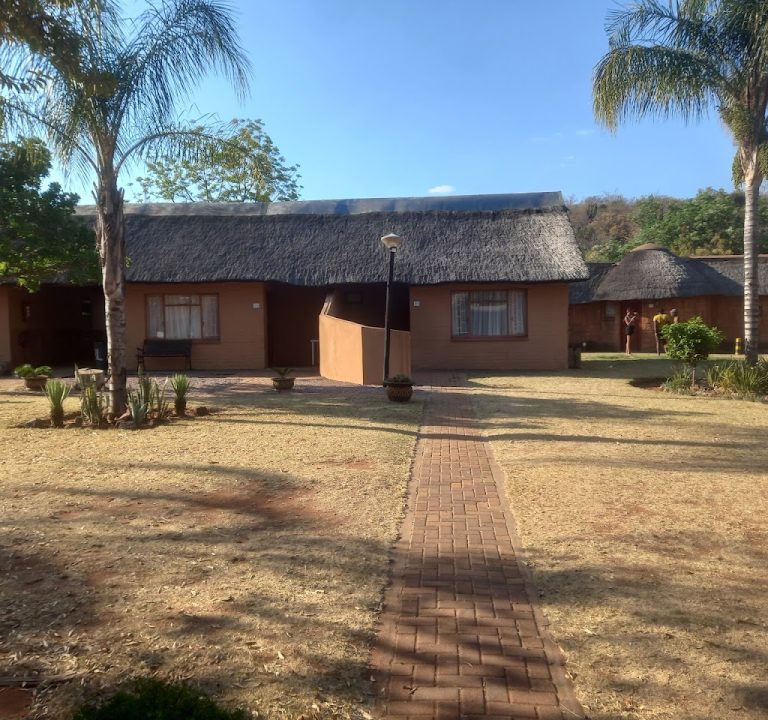
Accommodation in Bela-Bela comes with a spectrum of settings. For those seeking a country vibe with plenty of wildlife contact, farmstays and lodge-style properties provide a sense of immersion in the landscape. If you prefer modern comfort and quick access to town amenities, mid‑range hotels and guesthouses around the town centre are convenient choices. When selecting where to stay, consider distance from the main attractions you plan to visit, such as wildlife reserves, nature trails, and the waterside spots that Bela-Bela is known for. Look for properties that offer clear guidance on transfer times, safe parking, and flexible check-in options, especially if your itinerary includes early morning game drives or late arrivals after a day of outdoor activities.
Typical amenities to look for include private balconies or patios where you can enjoy early mornings in the bush, air‑conditioning for hot summer days, reliable wifi in public areas, and on-site dining or easy access to nearby eateries. Family travellers often value suites or family interconnecting rooms, child-friendly facilities, and a pool. Certain properties also offer laundry services, which can be a practical benefit for longer stays. For travellers seeking sustainability, some lodges promote responsible wildlife interaction and conservation‑minded practices; if this matters to you, ask about their environmental policies and community involvement before booking.
Transport around Bela-Bela ranges from self‑drive itineraries to organised transfers. The town is reachable by road from Gauteng and other parts of Limpopo, making a car an attractive option if you plan to visit multiple attractions. If you are not driving, check whether your accommodation provides airport or station transfers or can arrange reliable local transport. For those who enjoy exploring on foot or by bike, some guesthouses offer bike rentals or guided nature walks. Remember that weather and road conditions can vary seasonally, so allow extra time for travel during rainy periods or festive weekends when roads may be busier.
The best time to visit Bela-Bela mirrors the region’s climate: warm to hot summers with possible afternoon thunderstorms, and cooler, drier winters. The warmer months suit outdoor activities and river and poolside days, while the winter period can be crisp and pleasant for early morning game drives. If your focus is wildlife encounters, plan your stay to align with the park opening hours and the feeding or activity times that guides may suggest. Shoulder seasons often offer calmer logistics and more affordable rates, with pleasant weather for outdoor pursuits.
When planning your itinerary, include a balance of wildlife, aquatic leisure, and cultural or culinary experiences. The area around Bela‑Bela is known for reserves and sanctuaries that offer guided safaris, photographic safaris, and opportunities to learn about local conservation efforts. In parallel, look for nature trails, birdwatching walks, and scenic viewpoints that showcase the landscape's acacia savannah and riverine habitats. If you are visiting with children or simply enjoy hands-on experiences, farmstay options frequently offer animal encounters, guided tours, and opportunities to observe farm life up close, which can be both educational and enjoyable.
Dining in Bela‑Bela ranges from relaxed cafe‑style venues to more refined dining options within lodges and guesthouses. Many places prioritise fresh, seasonal ingredients and offer menus that reflect regional flavours. Some properties can arrange private dining experiences or suggest nearby restaurants with varied menus, from light lunches to hearty dinners suitable for families and couples alike. For those drawn to casual evenings, poolside bars and terrace settings provide a relaxed backdrop after a day of exploration. If you have dietary requirements, most accommodations are accustomed to catering options or can point you to suitable local eateries.
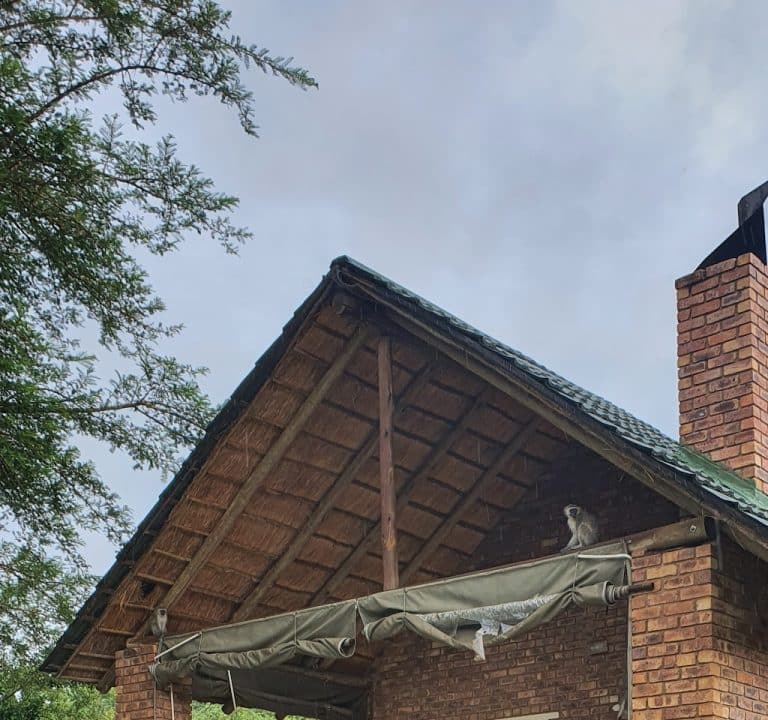
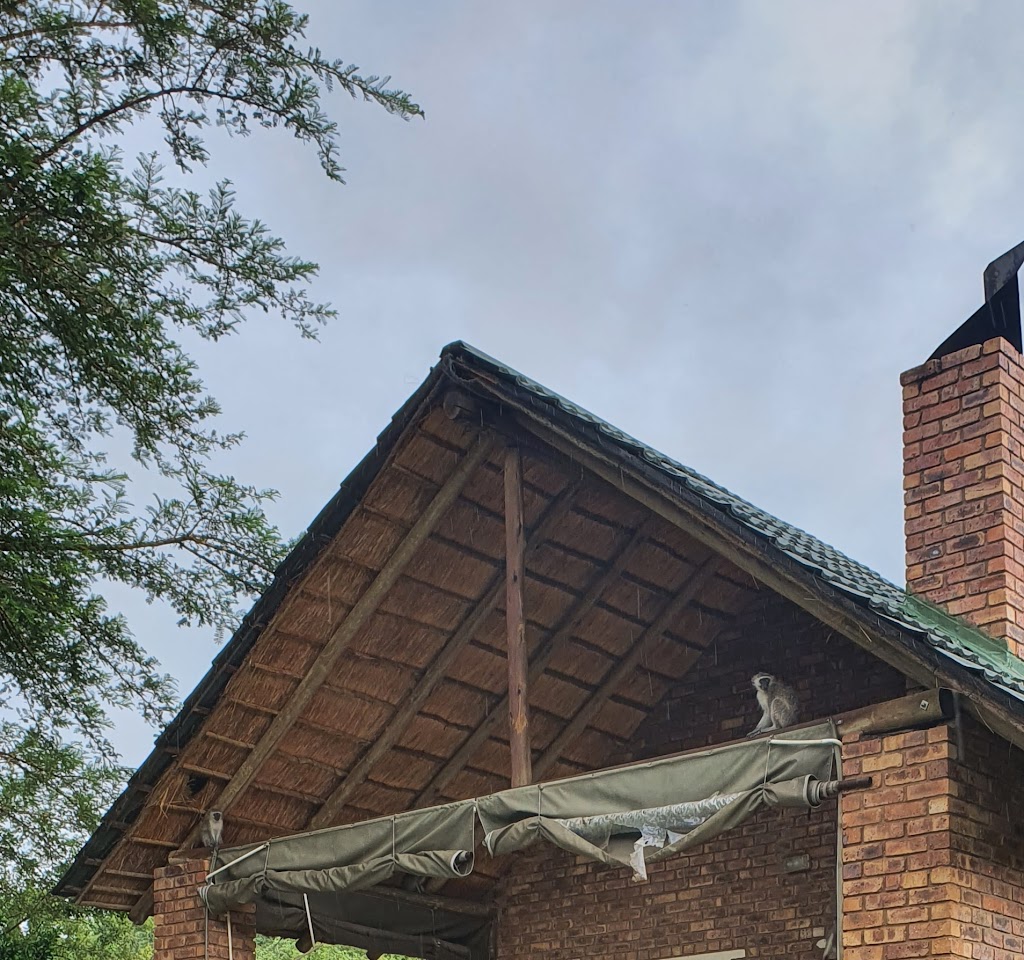
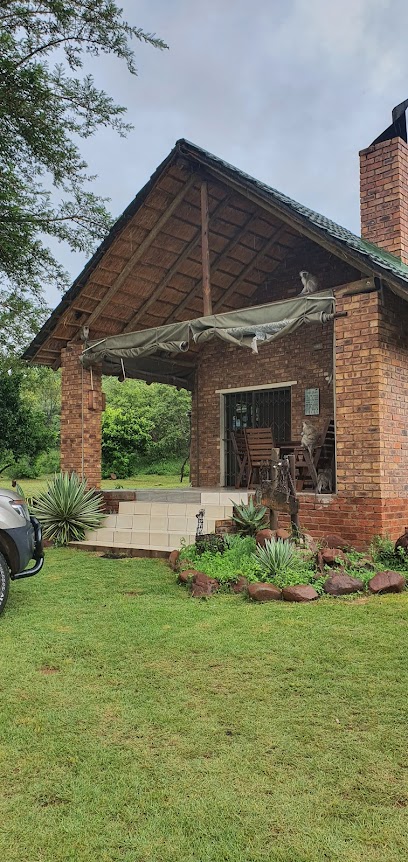
For travellers seeking a meaningful stay beyond the usual sightseeing, a notable option is Bambelela Wildlife Care, a farmstay that emphasises animal care and conservation. Its programme provides an opportunity to observe and learn about wildlife rehabilitation efforts and farm life in a responsible setting. The site offers more information about its activities and admissions via the official website: Bambelela Wildlife Care.
Practical tips to help you plan a smooth visit:
- Book well in advance during peak travel periods and school holidays to secure preferred room types and proximity to the attractions you want to visit.
- Ask about water and electricity contingency plans if you are travelling during the dry season or adverse weather; some properties operate on generators or have backup arrangements.
- Check room configurations for families or groups, and clarify bed types, as well as whether rooms offer outside spaces, such as verandas or garden access.
- Inquire about guided experiences, transfers, and park etiquette to ensure respectful and safe wildlife encounters.
In summary, Bela-Bela provides a range of accommodation styles to suit different interests and budgets, together with a mix of wildlife, outdoor recreation, and restorative leisure. By considering location relative to planned activities, assessing essential amenities, and planning transport and timing, you can craft a stay that feels both relaxed and rewarding in this Limpopo destination.