Accommodation and Experiences in Bela-Bela, Limpopo: Plan Your Stay
Bela-Bela, commonly known as “Warm Bath” for its famous mineral springs, sits in the heart of Limpopo and makes a practical base for exploring the Waterberg region. The town draws visitors with a blend of family-friendly accommodation, bush camps, and easy access to wildlife, nature trails, and restorative spa experiences. When planning a stay here, it’s helpful to think about which neighbourhoods and settings suit your priorities—whether you want easy access to springs, proximity to game reserves, or a quieter escape in the countryside.
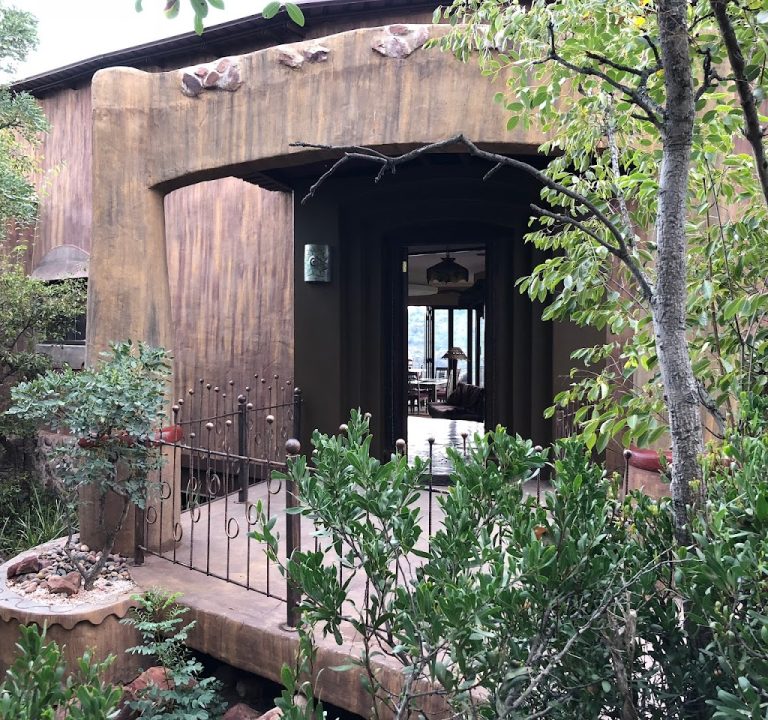
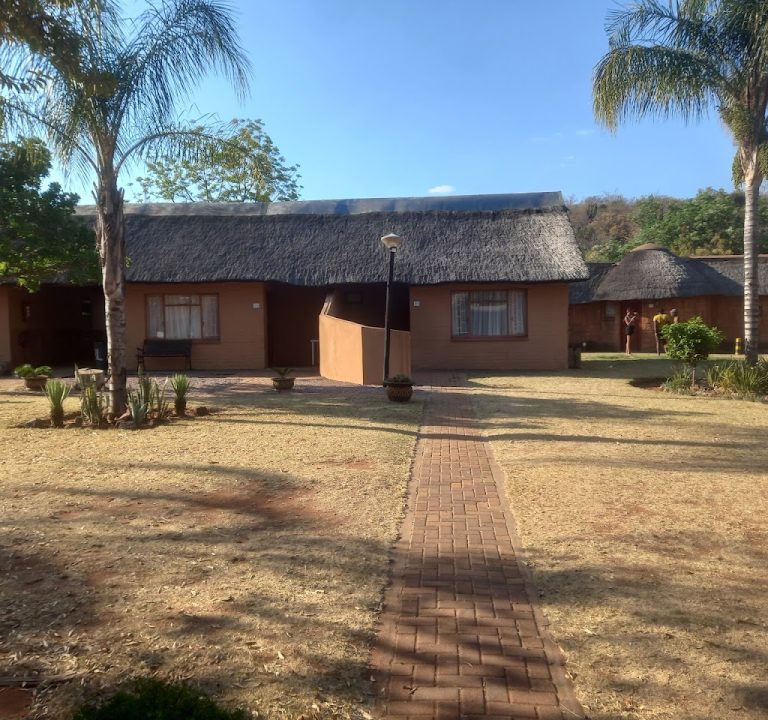
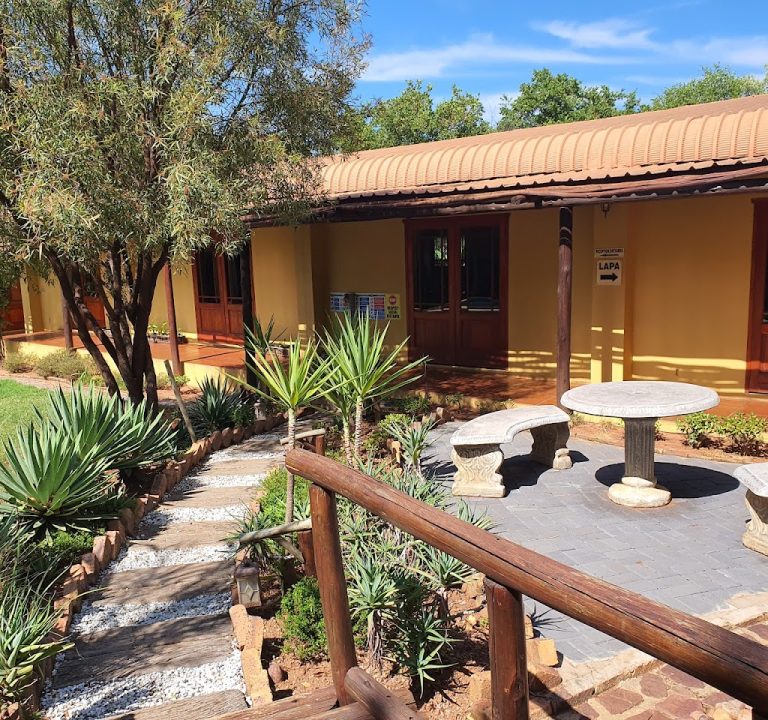
Accommodation in Bela-Bela spans from family-run guesthouses and comfortable B&Bs to self-catering cottages and dedicated camping grounds. The surrounding area includes forested reserves and open savannah, with some properties set close to the town’s thermal springs and others tucked along quieter back roads. For those seeking a true bush experience, a stay at a campground or lodge on the edge of a game reserve can offer near-constant opportunities for wildlife watching, with the convenience of staying within reach of restaurants and shops in the town centre.
When evaluating places to stay, consider the following factors to ensure a comfortable visit:
- Location and access to key activities: proximity to springs, game drives, and walking trails can save time and reduce daily driving.
- Room and campground layouts: options range from private chalets and family rooms to camping pitches with shared facilities; check what level of privacy and self-catering is available.
- Facilities and amenities: pools, hot tubs, braai (barbecue) areas, kitchens, and laundry facilities are common; potable water and electricity reliability are worth confirming in advance.
- Safety and security: well-lit parking, secure perimeters, and staff on site contribute to a安心 stay, particularly for families and solo travellers.
- Access to information: hosts who provide clear maps, wildlife guidelines, and local tips can greatly enhance your visit.
Typical amenities you may encounter include air conditioning or fans for hot evenings, clean communal kitchens, outdoor seating, and easy access to nature paths. For campers and bush camps, basic bedding, shaded pitches, and shared ablution facilities are common; some sites also offer optional guided walks or game drives. If you are travelling with children, look for family-friendly spaces with safe play areas and flexible meal options. For longer stays, properties that offer self-catering or private kitchenettes can be particularly convenient.
Getting around Bela-Bela and the surrounding reserves is easier with a reliable vehicle. The town itself is compact, with a handful of shops and eateries reachable by short drives. If you plan day trips into the Waterberg region or other parks, a 4x4 or high-clearance vehicle can be beneficial, especially during the bush season when weather can affect river crossings and dirt roads. Some lodges and camps offer guided days or transfers, which can simplify logistics for visitors new to the area.
Best time to visit Bela-Bela tends to align with wildlife viewing and comfortable outdoor conditions. The dry season (roughly May through September) often provides clearer game sightings and pleasant daytime temperatures, though it can be cooler at night. The wet summer months bring vibrant greenery and occasional afternoon showers, adding a different atmosphere to walks and drives. If thermal baths are part of your plan, know that the springs operate year-round, offering a refreshing contrast to outdoor activities regardless of season.
Practical tips to make the most of your stay:
- Book early for peak periods such as school holidays and long weekends, especially for popular campsites and family-friendly venues.
- Bring suitable layers for chilly evenings, even in the warmer months, and pack comfortable walking shoes for nature trails.
- Respect wildlife guidelines and stay on designated roads and paths to protect sensitive habitats.
- Check on-site dining options or nearby eateries; many places offer braai facilities or simple, wholesome meals, which is convenient after long days in the bush.
- Keep a small first-aid kit handy and ensure you have adequate hydration, particularly if you are exploring outdoor areas during warmer weather.
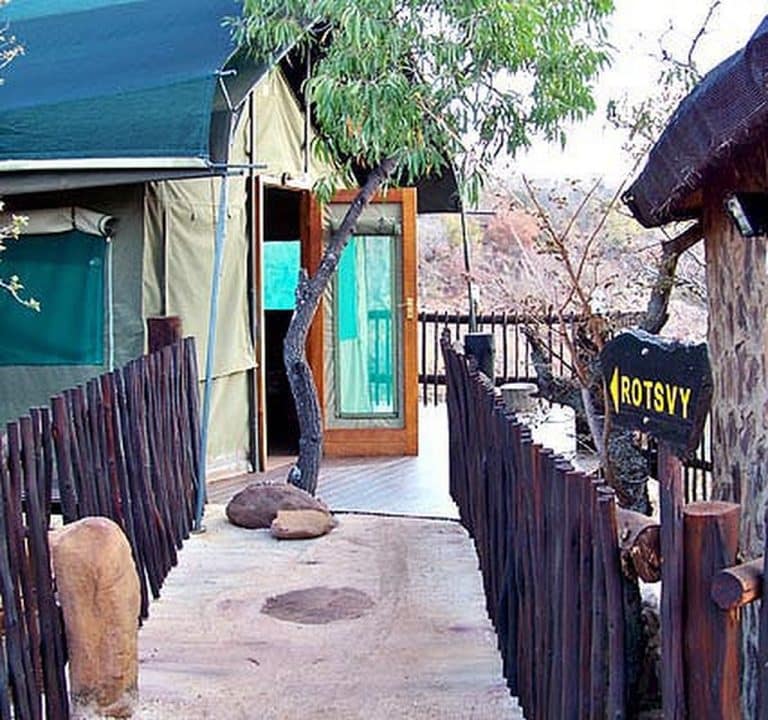
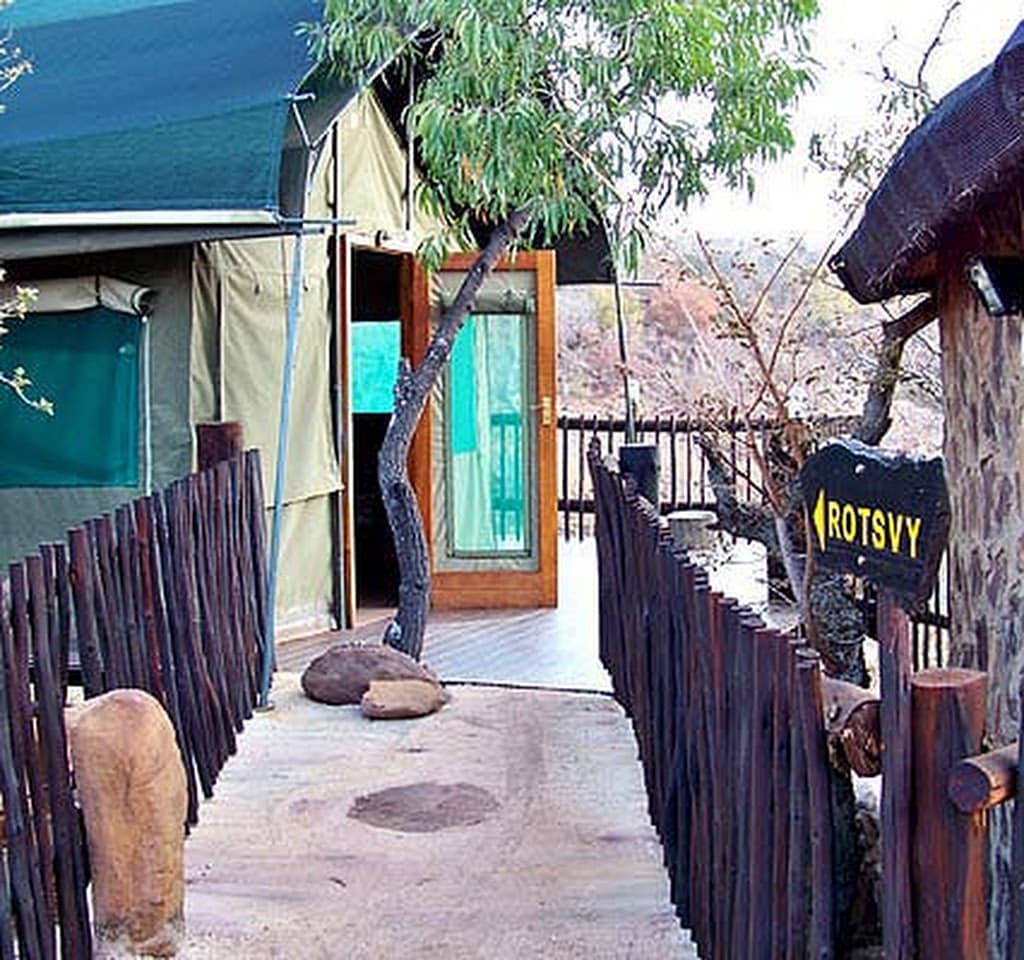
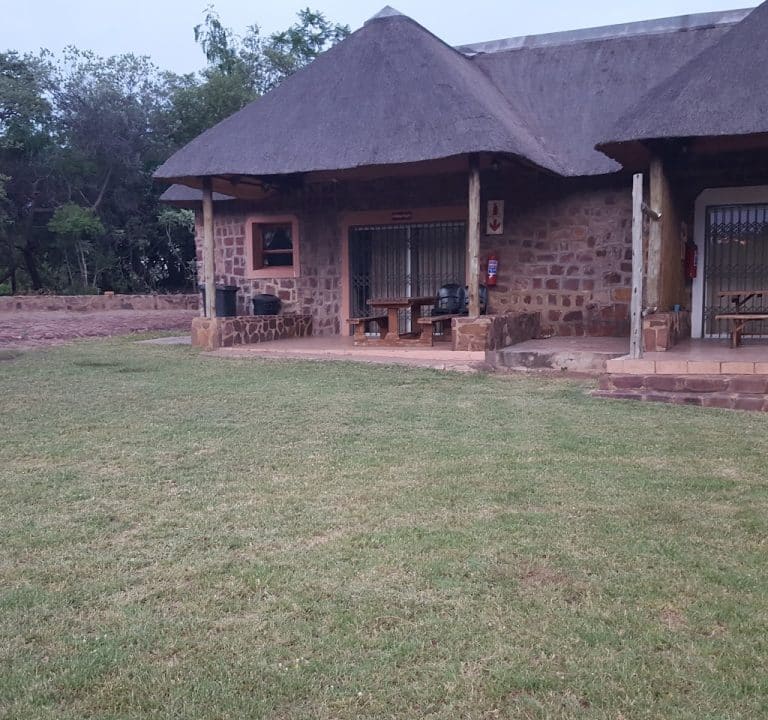
For a concrete example of a camping and bush-ground option in the region, consider a stay at Shakila Safari Bush Camp. This campground offers a setting designed for travellers seeking a closer connection with the landscape, with practical facilities and straightforward access to outdoor adventures. You can explore the camp’s page for more details and booking information: Shakila Safari Bush Camp.
Beyond the accommodation, Bela-Bela offers a gentle mix of experiences. While exact restaurant names and prices are subject to change, visitors generally find welcoming bistros and eateries serving traditional South African fare, light meals, and refreshing drinks after a day of outdoor activities. For those seeking cultural or craft experiences, local markets and small galleries provide a window into the region’s heritage and contemporary artistry. The town’s proximity to nature reserves makes day trips feasible, whether for a guided safari, a self-drive game drive, or a hike through scenic trails. With careful planning, Bela-Bela can be a relaxing base from which to explore Limpopo’s wildlife, landscapes, and warm hospitality.