Accommodation and attractions in Bela-Bela, Limpopo: planning your stay and making the most of the area
Nestled in the Waterberg region of Limpopo, Bela-Bela (often known as Warmbaths) offers a welcoming mix of family-friendly accommodation, tranquil nature escapes, and easy access to wildlife, hot springs and rugged scenery. Whether you are seeking a cosy self-catering retreat, a comfortable guesthouse, or a lodge with easy access to nature reserves, Bela-Bela serves as a practical base for a relaxed Southern African break. Planning ahead helps you balance comfort with exploration and ensures you can make the most of the area’s natural and cultural highlights.
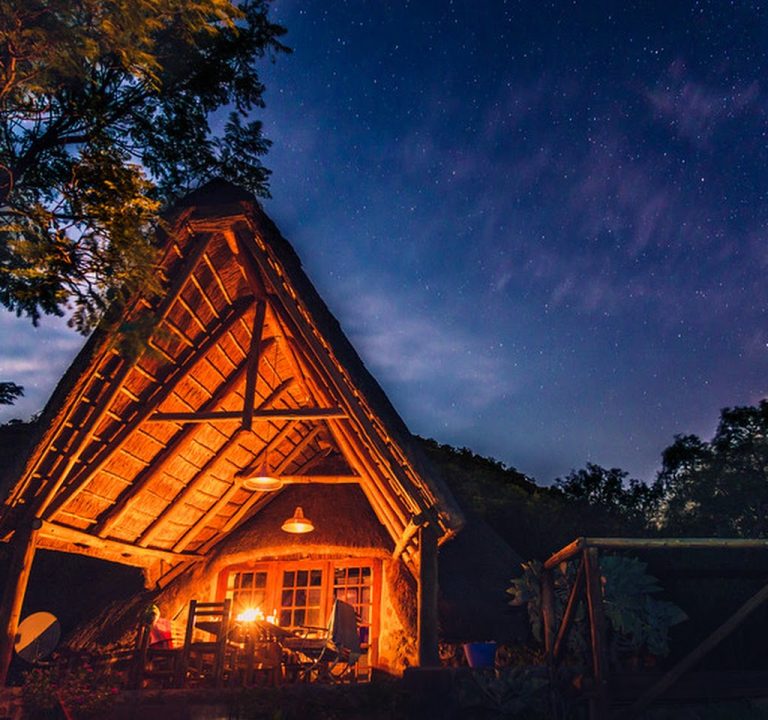
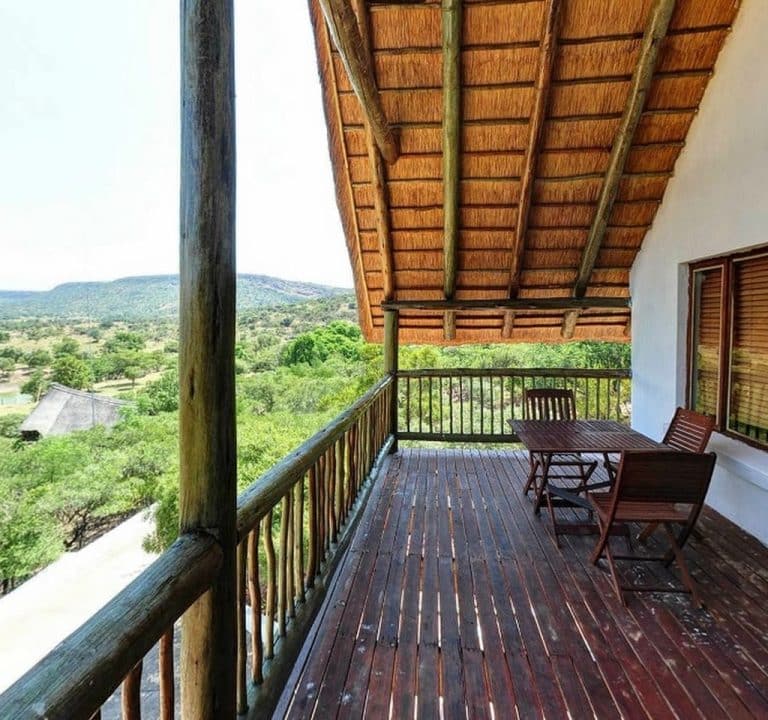
Accommodation in Bela-Bela ranges from self-contained cottages and spacious guesthouses to stylish lodges and modest boutique hotels. When choosing where to stay, consider proximity to the town’s amenities and to the surrounding nature reserves. If you want late-evening dining options or quick access to amenities, staying in or near the central town can be convenient. For a more immersive nature experience, look for lodges or guesthouses located on or near the edge of reserves, where wildlife sightings and birdlife are a daily delight.
Typical amenities you might encounter include private or en-suite bathrooms, well-equipped kitchens or kitchenettes, shaded outdoor spaces, gardens or braai areas, and secure parking. Many properties offer Wi‑Fi, daily housekeeping, and on-site parking, while some provide guided tours or arranged activities as part of the package. It is common to find air‑conditioning or fans, essential in the warmer months, and heated pools or hot spring access for guests in the cooler season.
Transport in Bela-Bela is generally car-focused. The town is well connected by road, with the N1 corridor nearby, making it a straightforward drive from major centres. If you prefer not to drive, check whether your accommodation offers airport or station transfers or can arrange guided day trips. Public transport within Bela-Bela is limited, so hiring a vehicle is often the easiest way to explore the surrounding reserves, viewpoints, and markets at your own pace.
Best time to visit Bela-Bela depends on what you want from your stay. The dry winter months (roughly May to August) are excellent for wildlife viewing in the wider Waterberg area since animals tend to congregate around water sources. If you are drawn to warm, year-round swimming and spa experiences, the town’s famous hot mineral springs can be enjoyed throughout the year, though the hotter months can feel particularly refreshing. The rainy season (generally summer) brings lush landscapes and vibrant birdlife, but occasional thundershowers may alter planned outdoor activities.
When planning your itinerary, consider a mix of relaxation and light adventure. In Bela-Bela itself, you’ll find opportunities for spa days and casual strolls through plazas and markets, ideal for a family stopover. The surrounding Waterberg region offers nature reserves where self-guided or guided drives reveal plains game, birds, and striking landscapes. For a memorable day trip, you could combine a nature walk or a safari drive with a dip in a natural or mineral pool, followed by a relaxed meal at a local restaurant.
Practical planning tips to help you book wisely and enjoy the stay:
- Define your priorities: wildlife viewing, spa time, or easy access to town amenities.
- Choose accommodation with clear access to the activities you want, such as proximity to a nature reserve entrance or to spa facilities.
- Read recent guest reviews to gauge noise levels, cleanliness, and responsiveness of hosts or managers.
- Check the bed configurations and kitchen facilities if you are travelling with children or larger groups.
- Confirm parking arrangements, security features, and any on-site dining options or meal plans.
Nearby attractions are best framed by a relaxed pace. Natural attractions in and around Bela-Bela include hot springs that have drawn visitors for generations, forested and savanna landscapes, and opportunities for birdwatching and hiking. The broader Waterberg area hosts nature reserves with guided or self-guided safaris, where the scenery ranges from dramatic rock formations to wide-open plains. For a calmer day, you can explore local markets, craft stalls, and neighbourhood eateries that prioritise simple, well-made fare using local ingredients.
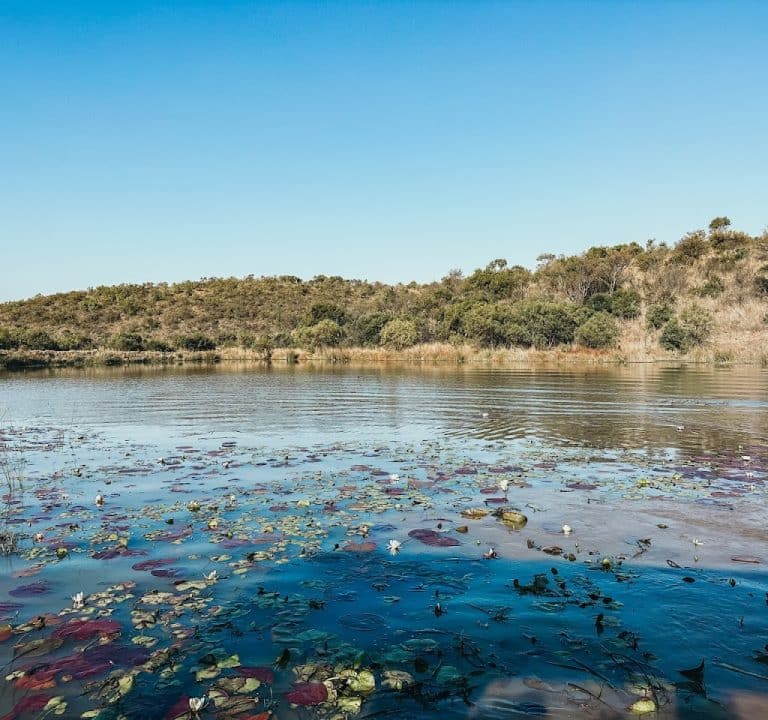
Dining out in Bela-Bela is typically informal and family-friendly, with menus featuring traditional favourites and lighter fare alongside more contemporary options. Look for venues that prioritise fresh ingredients, seasonal produce, and a welcoming atmosphere. If you are staying in a self-catering property, many local shops and markets carry essentials and picnic supplies, enabling you to plan a day out to a reserve or a lakeside spot with ease.
For those visiting Thaba Pitsi Nature Reserve or other nearby conservation areas, use the opportunity to pair your stay with guided walks or short drives that reveal the region’s biodiversity. A well-planned itinerary balances restful evenings at your chosen accommodation with days spent exploring reserve tracks, scenic viewpoints, and serene surroundings.
In summary, Bela-Bela offers flexible accommodation options and accessible experiences that suit a range of itineraries. By selecting a base that aligns with your interests—whether it is easy town access, proximity to nature, or family-friendly facilities—you can enjoy both the comforts of your stay and the region’s natural beauty. Always consider seasonality, transport needs, and the pace you want, to tailor a stay that feels effortless and rewarding.
Useful links to explore further: local tourism portals, regional nature reserves, and the official pages for participating lodges or guesthouses. These resources can provide up-to-date information on room types, on-site amenities, and suggested day trips. Remember to book with clear cancellation policies and to confirm the inclusions that matter most to you before finalising plans.