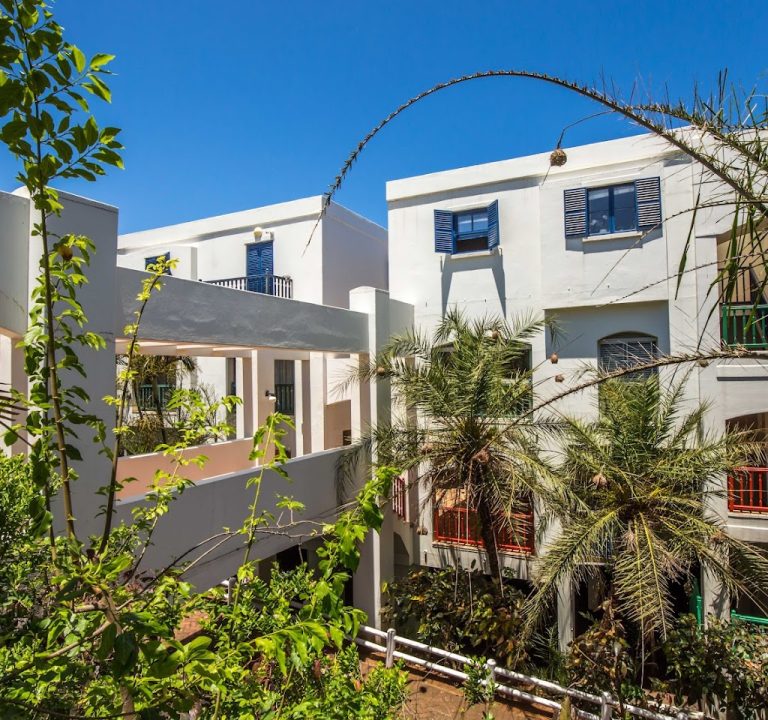
Durban Stay: Where to Sleep, Eat, and Explore in KwaZulu-Natal’s Coastal City
Durban, on the east coast of South Africa, combines sun-drenched beaches, sub-tropical gardens, and a cosmopolitan culture that makes a comfortable base for a South African sojourn. When planning a stay, consider neighbourhoods that suit your rhythm—from the artfully preserved Victorian terraces on the Berea to the streamlined beachfront of Umhlanga and the family-friendly bustle of the Point precinct. Durban also offers a growing selection of boutique stays, guesthouses and B&Bs that blend local warmth with practical comforts for travellers.
Accommodation choices vary from intimate bed and breakfasts in leafy suburbs to modern aparthotels along the golden shoreline. For a quieter retreat with easy access to the beachfront, consider smaller guesthouses or B&Bs in Berea or Morningside, where hosts can share practical tips about local markets, cookery schools, and short walking routes. If you prefer more beachside convenience and direct access to the promenade, look to properties near Umhlanga, Ballito or the Golden Mile, where rooms commonly feature sea views and easy transit to restaurants and the CBD.
When choosing where to stay, look for several practical amenities. A reliable Wi‑Fi connection is essential for trip planning and work if you’re combining business with leisure. An on-site or easily accessible parking option helps if you’re exploring by car, which is often the most convenient way to navigate Durban's outskirts and coastal towns. A compact kitchenette or continental breakfast can save time in busy mornings, while a guesthouse with a generous lounge area or garden can offer a pleasant space to unwind after a day’s sightseeing. If travel dates coincide with school holidays or peak season, booking well ahead is advisable since popular areas can fill quickly.
Transport in Durban ranges from car hire to public options. Many travellers find a car gives the greatest flexibility for day trips along the coast, including trips to the nearby Valley of a Thousand Hills for a taste of the inland scenery. The local MyCiTi bus network serves central routes within the city and to adjacent districts, though it’s worth verifying routes and timetables in advance, especially if you’re planning an early morning excursion or an evening return. Taxis and ride-hailing services operate widely, offering a convenient option for short hops along the beachfront or between neighbourhoods. If you’re staying in a resort or popular coastal area, some properties offer shuttle services to the nearby beaches or shopping hubs.
Durban’s best time to visit depends on your priorities. The summer months (roughly November to February) are warm and sunny, ideal for long days on the beach, swimming and enjoying the vibrant street life. Winter (June to August) is milder and drier, a pleasant period for exploring the botanical gardens, markets and cultural sites without peak crowds. For surfers, late autumn and spring can deliver excellent waves on certain beaches. Pack comfortable walking shoes for city strolls and a light layer for cooler evenings, even in tropical-season months.
Areas to consider when booking include:
- Berea and Glenwood: leafy streets, charming guesthouses and close proximity to Durban CBD amenities, including markets, museums and historic architecture.
- Umhlanga and Umhlanga Ridge: a modern, family-friendly area with a long coastline, fashionable eateries and convenient access to the airport corridor.
- Durban North and Reservoir Hills: quieter residential zones with friendly neighbourhood vibes and scenic coastal views.
- Ballito and surrounding coast (external to central Durban): excellent for beach access and a more relaxed holiday pace, with options such as a bed & breakfast or boutique guesthouses like Ballito Hills 142.
Ballito Hills 142, a bed & breakfast located near Ballito, offers a practical example of how a stay can combine a comfortable room with a friendly host ethos and easy access to the coast. For more information, you can explore the place’s official site: https://ballitohills142.business.site/?utm_source=gmb&utm_medium=referral.
Dining in Durban runs from bustling upmarket eateries to casual seaside shacks. It’s wise to ask your host for recommendations on tasting menus or local dishes, such as spice-rich curries and seafood grills that reflect the coastal location. In general terms, you’ll find a mix of vibrant African, Indian and European influences, with markets and street food offering quick bites between beach days and sightseeing. When planning meals out, reserve a little extra time for trampling around markets or waterfront promenades where you can sample fresh produce, brioche and regional specialties in a relaxed, social setting.
Practical planning tips:
- Book accommodation with flexible cancellation terms when possible, especially during shoulder seasons when weather can be changeable.
- Choose a property with a clear description of amenities, parking, and access to the beach or promenade, to avoid unnecessary transport hopping.
- Pack sun protection, a brimmed hat, and light, breathable clothing for daytime; a light sweater is handy for coastal evenings.
- Carry local currency for markets and smaller eateries; many places accept cards, but some markets and cafés prefer cash.
- Read recent guest reviews to gauge current conditions, especially regarding cleanliness, noise levels and the reliability of breakfast or on-site facilities.
Durban is more than a destination for sun and sea; it’s a gateway to cultural experiences, botanical splendours, and coastal routes that reveal KwaZulu-Natal’s warm hospitality. With careful planning—selecting the right neighbourhood, confirming essential amenities, and keeping transport options clear—you can craft a stay that makes the most of Durban’s tides, flavours and distinctive character.