Accommodation and attractions in Cape Town: planning a memorable stay
Cape Town sits at the confluence of remarkable scenery, vibrant culture and a coastline that blends rugged mountains with sparkling sea. When planning a stay, consider which neighbourhood will balance convenience, safety and atmosphere for your travel style. The city offers everything from boutique guesthouses and family-run lodges to contemporary hotels with sea views. A well-chosen base can cut transit time, maximise your opportunities to relax, and still leave space for day trips and exploration.
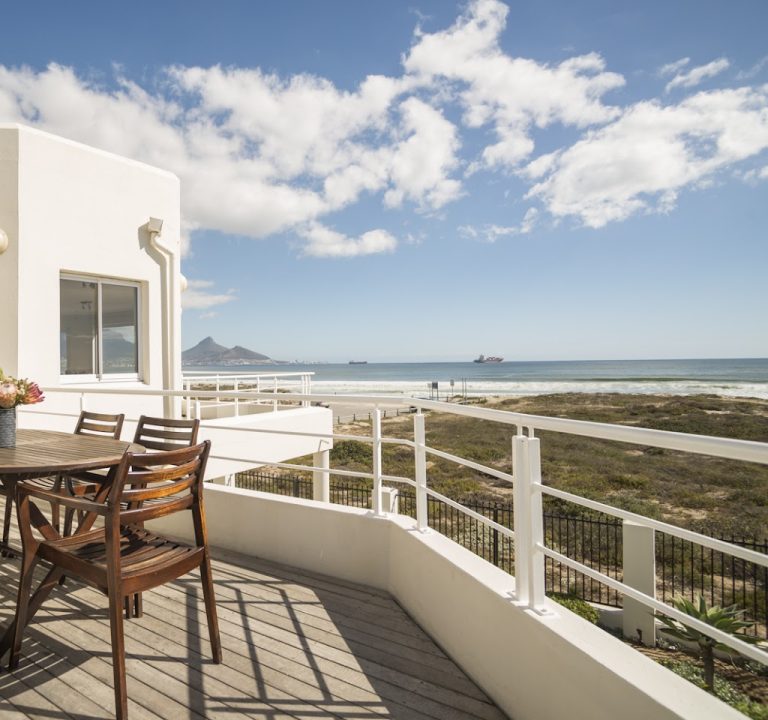
Areas to consider include the City Bowl for easy access to central sights, business services and dining; the Atlantic Seaboard and Camps Bay for beaches, sunset views and a cosmopolitan vibe; Green Point and the V&A Waterfront for a blend of lodgings, nightlife and easy transport links; and Constantia or Hout Bay if you prefer leafy suburbs and wine-route experiences. If you are after a more historic or cultural flavour, Bo-Kaap and the surrounding Foreshore offer characterful stays close to museums, markets and artisan quarters. For nature lovers, a stay in the Constantia Valley or near Kirstenbosch can bring you close to hiking trails and tranquil vines, while still enjoying modern comforts.
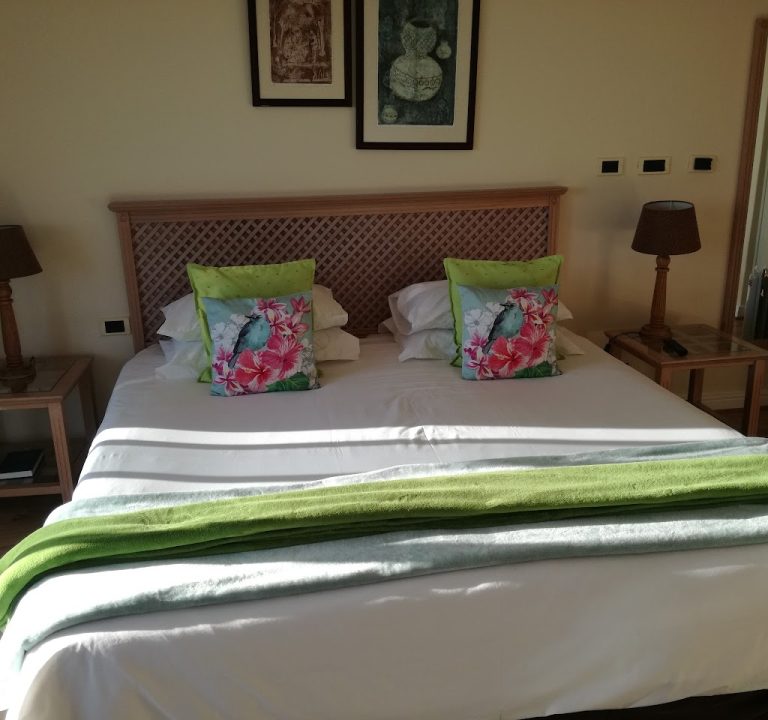
What to look for when booking a place matters as much as where you stay. Start with the basics: room configuration and privacy, checks on safety features, and whether breakfast is included or available on request. If you are travelling with family or a larger group, look for flexible bed arrangements, quiet rooms, and the option of self-catering facilities. For longer stays, a kitchenette or access to a shared kitchen can significantly improve the experience. Always confirm whether the accommodation has reliable Wi‑Fi, ample storage, and easy access to transport links or parking, as Cape Town traffic and limited street parking can be challenging in peak season.
Typical amenities you may encounter include daily housekeeping, laundry facilities, secure parking or easy access to public transport, and sometimes a pool or outdoor spaces with seating. Many guesthouses and boutique hotels in Cape Town pride themselves on personalised service, local knowledge and curated recommendations for experiences, dining and day trips. When booking, check the cancellation policy and whether the property can assist with transfers from major hubs such as the airport or train stations. If you are curious about environmentally friendly practices, some places highlight sustainable operations or energy-saving measures, which can be important in some locales.
Transport in Cape Town is efficient and varied. The MyCiTi bus network provides affordable city-wide routes, while Uber, Bolt and metered taxis offer door-to-door convenience. If you plan to explore beyond the city, it is worth considering a rental car, especially for day trips to the Cape Peninsula, Cape Point, or the Constantia wine route. Many properties can arrange airport transfers or private drivers on request. When navigating, remember that peak traffic can affect journey times, and some areas are best accessed by short rides or public transport rather than parking in busy districts.
The best time to visit Cape Town depends on your priorities. The summer months (roughly November to February) bring longer days, warmer sea temperatures and an energetic tourist scene, ideal for beach days, coastal walks and outdoor markets. Autumn (March to May) can be quieter, with pleasant weather for hiking or sipping wine in surrounding valleys. Winter (June to August) is cooler and windier, yet it can be an excellent period for wildlife watching, fewer crowds, and soft, cosy dining experiences. Spring (September to October) offers a balance of mild weather and blooming splendour in gardens and along the Cape coast. Regardless of when you go, plan for late sunsets around the Atlantic shore and be prepared for microclimates along the coast—layers and a light waterproof layer are wise year-round companions.
When it comes to attractions, Cape Town offers a spectrum of experiences without needing to overcommit to any single plan. Natural highlights include the iconic mountain views from Table Mountain or Lion’s Head, scenic coastal drives along the Atlantic Seaboard, and the tranquil Botanic Garden at Kirstenbosch. Cultural and historical experiences abound, from museums and galleries to vibrant markets and neighbourhood tours that reveal the city’s diverse heritage. For wildlife companions, opportunities range from penguin viewing at Boulders Beach to marine excursions that reveal the rugged splendour of the Atlantic coastline. For a relaxed day, consider a stroll along the V&A Waterfront, followed by an open-air meal with views of the harbour and boats bobbing in the bay.
Dining and neighbourhoods to explore offer a spectrum of flavours and settings. Expect restaurants with contemporary South African dishes, coastal cafés with fresh seafood on the menus, and casual eateries that celebrate local produce. In many quarters, you’ll find markets, craft shops and street food stalls behind historic facades, alongside modern bistros and elegant restaurants. If you are staying with Atlantic Waves Guesthouse or similar options, you can often tap into insider tips about local eateries, seasonal specialities and lesser-known viewpoints that make a trip truly memorable. Always check whether a restaurant requires reservations, especially during peak seasons, and consider sunset dining routes that let you combine a meal with a scenic stroll along the seafront or a hilltop vista.
- Plan a day-to-day mix of sightseeing, balmy beach time, and relaxation at your base.
- Research transport options in advance and allow buffer time for weather and traffic.
- Book flexible stays where possible, with clear cancellation policies and amenity details.
- Consider pairing a stay in a wine region or coastal suburb with a couple of guided experiences to gain local insights.
For further information and ideas, consult official tourism resources and property websites. Cape Town is a destination that rewards thoughtful planning and a relaxed pace, enabling you to enjoy its landscapes, flavours and friendly hospitality at your own rhythm. For those seeking a home base with character and comfort, a wisely chosen stay—whether in a boutique guesthouse or a modern hotel—can form the foundation for an unforgettable visit to the Western Cape.