Cape Town: Accommodation, Attractions and Practical Tips for a Rewarding Stay
Cape Town is a city of striking contrasts, where ocean, mountains and a rich mix of cultures come together to offer a stimulating travel experience. When planning a stay, consider the different neighbourhoods and what they offer in terms of atmosphere, proximity to sights and access to transport. From the historic lanes of the City Centre to the cliff-face splendour of the Atlantic Seaboard and the leafy tranquillity of Constantia, there is a range of accommodation options to suit many tastes and budgets. A thoughtful choice of base can reduce daily travel time and maximise time for exploring, dining and enjoying local experiences.
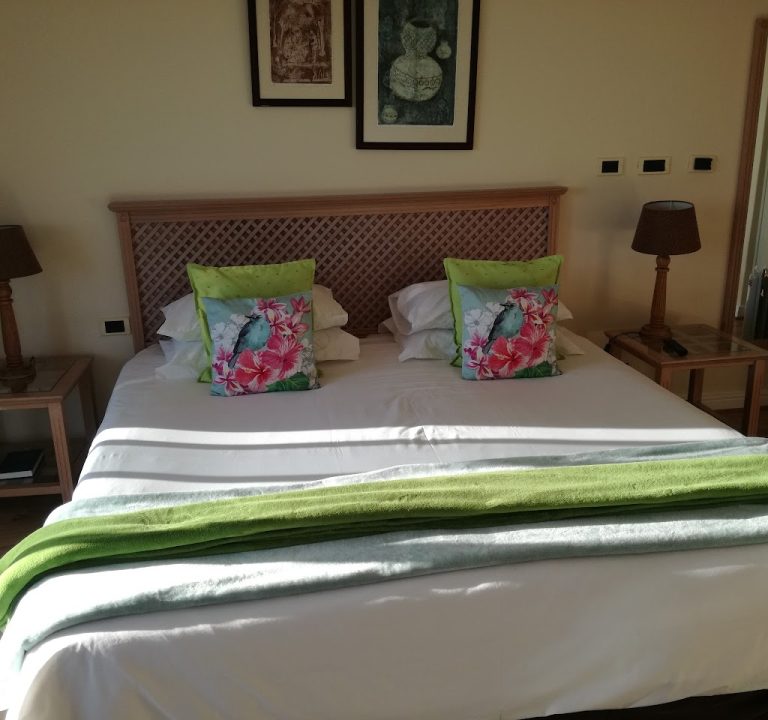
Aromasun Guest House, a charming example in the guest house category, illustrates how intimate properties can provide a personalised sense of place. In Cape Town you’ll find boutique guest houses, stylish BnBs and full-service hotels that range from cosy homely stays to contemporary apartments with sea views. When selecting where to stay, think about access to public transport or the ease of hiring a car, as well as the sound of the neighbourhood after dark and the availability of on-site parking. If you prioritise a view and easy access to the beach, look for properties near the Atlantic Seaboard; for a more urban, energy-filled experience, the City Bowl or De Waterkant can be ideal.
Typical amenities you might expect include complimentary Wi‑Fi, daily housekeeping, comfortable bedding with quality linen, in-room climate control, and en-suite bathrooms. Some properties offer breakfast included, while others provide options for self-catering or access to a communal kitchen. A few may equip guests with thoughtful extras such as tea and coffee making facilities, a small workspace, secure parking, and on-site or nearby wellness services. When booking, check whether breakfast is served at a specific time, whether there is a 24-hour reception, and if there are any guest lounge or outdoor spaces for relaxing after a day of sightseeing.
Transport in Cape Town is well supported by a network of MyCiTi buses, trains, and ride-hailing apps, alongside more traditional taxi services. If your base is in the City Centre or near the V&A Waterfront, you’ll likely be able to reach the main sights on foot or with a short ride. The Atlantic Seaboard corridor is particularly popular with visitors who want to combine beach days with urban exploration. If you plan day trips to the Cape Winelands or Cape Point, consider arranging a guided tour or renting a car for flexibility. In busy seasons, pre-booking airport transfers or hotel shuttles can ease arrival logistics, especially if you’re travelling with luggage or children.
Best time to visit Cape Town depends on your priorities. Summer (December to February) brings long, sunny days with excellent beaches and outdoor activities, but it is also a peak tourist period. Autumn (March to May) offers milder weather and fewer crowds, which can make sightseeing more relaxed. Winter (June to August) is cooler and occasionally rainy, yet it can be a good time to enjoy museums, markets, and cosy dining experiences. Spring (September to November) brings fresh colours in the landscape and is a popular shoulder season for outdoor pursuits. For those seeking wine country experiences, spring and autumn are particularly pleasant for vineyard visits and stargazing in the surrounding regions.
When planning your itinerary, balance iconic attractions with lesser-known experiences to create a well-rounded visit. Highlights commonly contemplated by visitors include the dramatic coastline and coastal vistas, the historic harbour and waterfront precincts, and accessible mountain viewpoints. It’s wise to set aside time for a guided city tour to gain context about Cape Town’s history, as well as a nature excursion to places such as nature reserves or coastal trails. Even within a short stay, you can sample a mix of urban culture, museum spaces and outdoor activities, all of which showcase the city’s diversity.
Food plays a central role in Cape Town’s appeal. The dining scene ranges from casual bistros to fine restaurants with panoramic views. In many areas you’ll find strong market scenes, coffee shops, and eateries that celebrate local ingredients and flavours. When selecting restaurants, consider the ambience you desire, whether you prefer a bustling venue or a quieter dining room, and check for near-by grocery or convenience options if you are staying in a more secluded neighbourhood. Many establishments offer menus that incorporate fresh seafood, seasonal produce, and influences from Cape Malay cuisine, reflecting the city’s multicultural character. For those who enjoy a guided culinary experience, look for tastings or market tours that focus on local producers and crafts, as these can provide a deeper sense of place than a single restaurant visit.
Planning practicalities ahead of time can help your stay run smoothly. Pack appropriately for the weather and planned activities, and bring layers for cooler evenings or sudden changes in coastal weather. If you are visiting in peak season, reserve accommodation well in advance and consider flexible booking options in case plans shift. Keep a small cash reserve for markets or street stalls where card acceptance may be limited, though most venues in tourist areas do take cards. Finally, respect local customs and safety guidance, particularly when exploring busy areas or stepping off the beaten track after dark.
- Look for properties with easy beach or harbour access if you prioritise views and coastal strolls.
- Check transport options and parking availability, especially if you plan day trips to wine country or nature reserves.
- Consider a mix of urban and nature experiences to capture Cape Town’s diverse appeals.