Discovering Cape Town: Where to Stay, What to Do, and How to Plan Your Visit
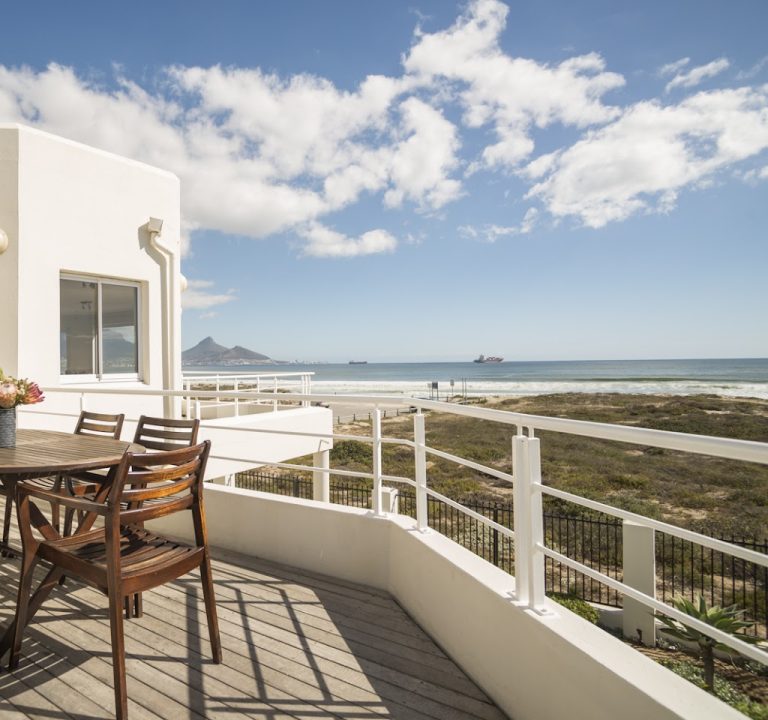
Cape Town’s magnetic charm lies in its mix of natural beauty, urban energy and a warm, welcoming hospitality scene. When planning a stay in this diverse city, it helps to think about what you want from your trip: dramatic scenery, convenient access to sights, or a quiet base from which to explore the winelands and coastline. Accommodation ranges from intimate guest houses to stylish boutique hotels and family-run lodges, each offering its own flavour of hospitality. For example, guest houses such as 9 on Winkle Luxury Accommodation can provide personalised service in a homely setting, with easy access to key attractions and everyday conveniences.
Areas to consider when booking include the City Bowl for a lively, walkable centre with historical sights and a vibrant dining scene; the Atlantic Seaboard, where seaside views and sunset slants frame luxurious stays in Camps Bay or the Green Point neighbourhood; and Constantia or Stellenbosch nearby for wine-focused getaways blended with tranquil gardens and country drives. If you’re after easy access to the waterfront, the V&A Waterfront precinct combines shopping and dining with convenient ferry routes to Robben Island and nearby Cape Peninsula routes. Budget travellers often gravitate to more central areas with great transport links, while families and long-stay visitors frequently prefer properties with private kitchens, parking and larger living spaces.
When choosing accommodation, look for practical amenities and thoughtful touches. A comfortable bed and fresh linen are fundamentals, but also consider climate control for hot summer nights, reliable wi‑fi, secure parking, and a dining area or kitchenette. Hosts and managers who can offer practical tips about local transport, safe neighbourhoods, and day trips can make a big difference to your stay. If you plan day trips to places like the Cape Peninsula or the Constantia wine route, a place with easy access to main roads or reliable transport links will save you time and stress.
Transport in Cape Town is efficient enough to support a car-free itinerary, though many visitors prefer car hire or rideshare apps for convenience. The MyCiTi bus network covers several routes from the city centre to the Atlantic Seaboard, southern suburbs and near the airport, offering an affordable and straightforward way to reach popular sights. For greater flexibility, especially if you want to explore winelands or the stunning coastal drives, hiring a car for part or all of your stay is common. If you stay near the centre or the V&A Waterfront, short walks and short hops by taxi or rideshare can be sufficient to reach top attractions and dining spots.
The best time to visit Cape Town depends on what you want to do. Spring (September to November) brings blooming gardens, milder temperatures, and lower humidity, ideal for urban exploration and outdoor activities. Autumn (March to May) offers pleasant weather with fewer crowds and a calm atmosphere near vineyards and Table Mountain. Summer (December to February) is peak season, with longer daylight hours and lively beaches, but it can be busier and more expensive. Winter (June to August) is cooler and wetter, yet the city remains animated with cultural events and indoor attractions. Pack layers, sun protection for outdoor days, and a lightweight rain jacket, as conditions can change quickly on the coast and at higher elevations like Table Mountain.
Itineraries should balance iconic sights with restorative downtime. A morning visit to Table Mountain or a scenic coastal drive along the Atlantic Seaboard can be followed by a relaxed lunch at a harbour-side or vineyard restaurant. In the afternoon, consider markets, museums, or a stroll through historic districts with artisanal shops and cafés. For a nature-focused day, Kirstenbosch National Botanical Garden provides expansive lawns, shaded paths and vantage points that reward a late afternoon picnic or sunset stroll. In the evenings, Cape Town offers a dynamic dining scene—ranging from casual bistros to modern South African cuisine—along with wine bars and craft breweries clustered near central districts and coastal neighbourhoods.
Practical tips to help you make the most of your stay:
- Choose accommodation with clear access to reliable transport, whether it’s a Walkable neighbourhood or a property near a bus route or major roads.
- Book in shoulder seasons if you want better value and fewer crowds, but plan ahead for popular sights and restaurants.
- Confirm breakfast arrangements and kitchen facilities if you prefer self-catering or a flexible morning schedule.
- Be mindful of local safety advice and keep valuables secure, especially in busy urban areas and on beaches.
- Check cancellation policies and weather considerations, particularly if your plans include nature excursions or harbour trips.
Cape Town’s blend of landscapes and cultures makes it an ideal destination for a tailored holiday. Whether you seek a boutique guest house with personalised service, a stylish apartment in a buzzing district, or a lodge nestled in a tranquil suburb, planning with thoughtful consideration of area, transport options and seasonal timing will help you craft a memorable stay. With wonderful views, a welcoming hospitality scene, and a wealth of activities nearby, your Cape Town itinerary can be versatile, enriching and distinctly rewarding.