Exploring Franschhoek: Where to Stay, What to Do, and How to Plan a Slow, Enjoyable Visit
Franschhoek, nestled in the Western Cape’s wine country, offers a compact yet richly layered base for visitors who want a relaxing escape with easy access to mountains, vineyards, and fine dining. The town’s historic charm, excellent food and wine, and welcoming guesthouses make it an ideal destination for travellers seeking a curated South African rural experience.
Accommodation in Franschhoek ranges from intimate guest houses to boutique inns and small hotels. When choosing where to stay, consider proximity to the village centre for strolls to restaurants and shops, or opt for a quieter pocket with views of vines and mountains. Guest houses often provide an intimate atmosphere, with personalised service and a sense of home away from home. If you prefer more autonomy, self-catering cottages and boutique hotels offer flexible options without sacrificing comfort. It’s worth checking whether your chosen property includes breakfast, has on-site parking, and offers facilities like a swimming pool, quiet gardens, or spa services for a restorative break.
Typical amenities to look for include en-suite bathrooms, reliable Wi‑Fi, room darkening for easy mornings after late vineyard visits, and thoughtful touches such as tea and coffee provisions, quality bedding, and secure parking. Some properties may offer mapped recommendations for day trips, private tastings, or paired menus, which can save you time when planning. When booking, consider whether you’d like a central location within Franschhoek Village or a more rural setting a short drive away; both have appeal depending on your pace and interests.
Transport within and around Franschhoek is straightforward but varies by season. The town is compact enough for walking, which is ideal for sampling wine-barrelled courtyards and historic storefronts. If you’re staying outside the village or planning winery visits, a car provides flexibility, though some guest houses arrange guided vineyard tours or shuttle arrangements. If you prefer public transport, plan ahead as services can be limited on certain days. Taxis and ride-hailing options are usually available, and many wine estates nearby offer dedicated tasting experiences by appointment.
Best time to visit Franschhoek depends on your interests. Spring (September to November) brings blossoming gardens and comfortable temperatures, ideal for outdoor sightseeing and enjoying terrace dining. Summer (December to February) can be warm to hot, great for long vineyard days and poolside lounging, but expect peak crowds around harvest time. Autumn (March to May) offers cooler days and a golden landscape—excellent for scenic drives and photography. Winter (June to August) brings cooler weather and quieter streets, which can be perfect for cosy restaurant evenings and intimate wine tastings indoors. Regardless of season, be prepared for variable weather and plan for indoor and outdoor activities in equal measure.
In terms of experiences, Franschhoek is renowned for its food-and-wine culture. You’ll find a concentration of reasons to linger: vineyards offering tastings and cellar tours, cooking classes, and market days that highlight regional producers. Dining in the area tends to focus on fresh, seasonal ingredients and refined, hillside views. When planning meals, reserve ahead during peak seasons, and consider trying a tasting menu or paired wine flight at a trusted estate or restaurant in the village. For a broader sense of the region, look for itineraries that combine vineyard walks, a ride on a scenic route, and a stroll through historical streets with galleries and artisan shops.
For a well-rounded stay, consider structuring your visit around a few core areas in and near Franschhoek:
- The village centre: convenient for strolls, café stops, and casual evenings out, with easy access to many guest houses and boutique inns.
- Wine estates on the surrounding slopes: many estates offer tastings, gardens, and views, often with a focus on estate-grown produce.
- Rural countryside around the valley: a slower pace, ideal for days spent on longer walks, scenic drives, and photo opportunities.
Practical tips to help you plan a smoother stay:
- Book accommodation with clear cancellation terms and transparent inclusions, especially during busy periods.
- Look for properties that can arrange a recommended itinerary or private tastings to streamline planning.
- Pack layers for changing weather; even in summer, evenings can be cool in the hills.
- Check whether your chosen stay provides assistance with restaurant reservations or wine-tasting appointments.
- Explore nearby towns within a short drive for day trips, while keeping the core Franschhoek experience as the anchor of your visit.
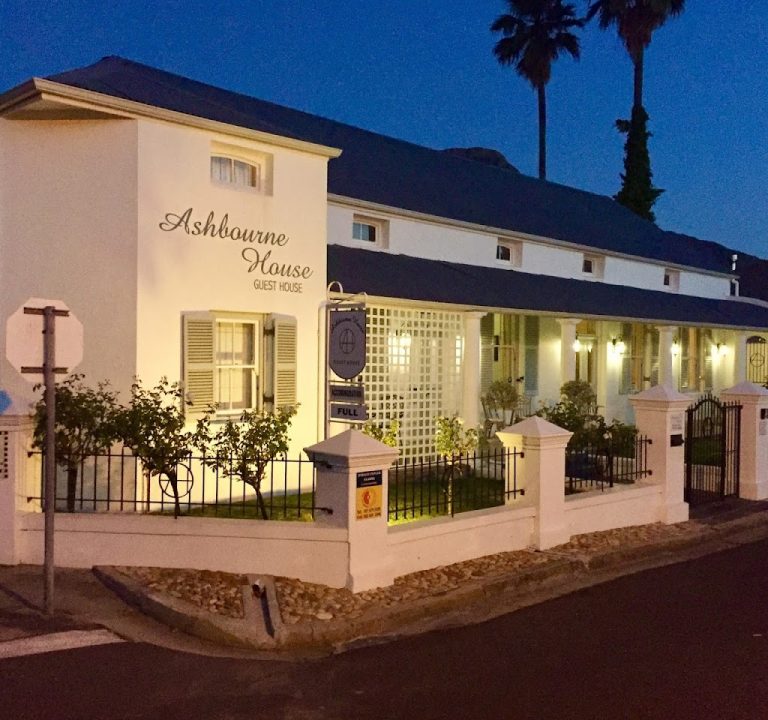
A notable option for visitors wanting a personalised stay is Ashbourne Boutique Guest House. It sits within the Franschhoek area and offers a distinctly hospitable base from which to explore the region. More information can be found on its website: Ashbourne Boutique Guest House.
When you’re ready to plan, a concise checklist can help: confirm your dates, choose a central or tranquil base, review what each property includes (parking, breakfast, Wi‑Fi), and map out a few flexible days around wine estates, a restaurant or two, and a couple of cultural or scenic stops. Franschhoek rewards a gradual, indulgent approach—slow mornings, relaxed afternoons in the vineyards, and evenings spent sampling seasonal cuisine. With thoughtful planning, your Franschhoek stay can balance discovery with downtime, leaving you refreshed and inspired by this celebrated corner of the Western Cape.