Staying in Franschhoek: accommodation, attractions and planning tips
Franschhoek, nestled in the Cape Winelands, offers a charming mix of boutique guest houses, family-run inns and country lodges set against a backdrop of rolling vineyards and dramatic mountain scenery. Whether you are seeking a cosy base for a few days of dining and wine tasting or a tranquil retreat with easy access to scenic walks, Franschhoek provides a compact centre with plenty of character and a pace that invites relaxation as much as exploration.
When planning your stay, consider which area best suits your interests. The town centre is ideal for those who want to walk to restaurants, galleries and craft shops, and it puts you close to many of the area’s historic highlights. If you prefer a more rural ambience, look for accommodation on the surrounding vineyard farms or in tranquil valleys just beyond the main village; these options are often surrounded by vines, lavender and olive groves, with terraces and pools that capture the essence of a countryside retreat. Proximity to wine estates is particularly convenient if you plan to embark on structured tasting experiences or guided vineyard tours.
Booking considerations are straightforward but important. Look for properties with en-suite bathrooms, reliable climate control, and clear policies on child and pet use if relevant to your party. A generous breakfast is a common delight in Franschhoek guest houses and boutique hotels, sometimes featuring homemade preserves, fresh pastries and regional specialties. If you value flexibility, check cancellation terms and the possibility of arranging late check-ins or early check-outs around activity schedules or day trips into the surrounding winelands.
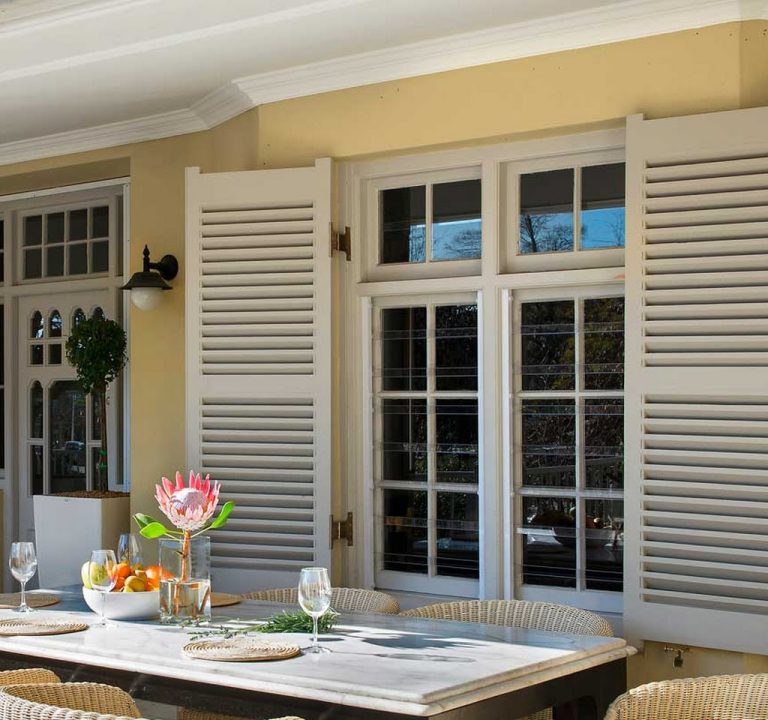
Typical amenities you may encounter include private patios or balconies, swimming pools to cool off after a day of touring, and comfortable communal spaces where guests can mingle or enjoy a quiet moment with a book. Wi-Fi is widely available, though some small guest houses may offer limited connectivity in outdoor or garden areas. For those seeking culinary experiences, many properties partner with local restaurants or offer in-house dining options, including light bites or a tasting-style menu inspired by the terroir of the region.
Transport is an important planning element. Having access to a car affords the greatest freedom to explore nearby estates, scenic drives and the broader Winelands route. If you prefer not to drive, many lodgings can arrange shuttle services or guided tastings with organised transport. Public transport within Franschhoek is limited, so a car or organised day trips are often the most practical option. For walkers and cyclists, there are gentle valley trails and designated routes, but it’s wise to check terrain difficulty and weather conditions before heading out for longer treks.
Best time to visit Franschhoek hinges on weather and the harvest calendar. Spring and autumn typically offer pleasant temperatures, flowering scenery in spring, and clear, crisp days for outdoor dining and hillside walks. The harvest season brings a vivid sense of place to the valley, with wine estates often showcasing seasonal activities. Summer is warm and lively, with long days that lend themselves to al fresco dining and winery picnics, while winter offers a peaceful, low-key charm and cosy evenings by a fire in many guest houses or lodges.
Practical tips to maximise your stay:
- Book early in peak seasons, especially if you have a preference for a specific property type, such as a vineyard-side guest house or a boutique hotel with a pool.
- Consider your dining plans in advance. Franschhoek is renowned for its culinary scene, and many eateries fill quickly; booking ahead can save time and enhance your experience.
- Ask about on-site experiences or partner offerings, such as guided walks, cheese and chocolate tastings, or cellar tours that can be arranged through your accommodation.
- Pack versatile footwear for both wine estate walks and town centre strolls, plus a light-weather layer for cooler evenings.
- Check accessibility needs with your host if required, as some properties are traditional heritage buildings with architectural features that may impact mobility.
Within easy reach of Franschhoek’s accommodation are a broad array of visitor experiences. Expect to encounter rolling vineyard scenery, architecture influenced by Cape Dutch styles, and a village atmosphere that honours the region’s gourmet produce. Beyond wining and dining, you can explore art studios, small museums and markets that celebrate local crafts. For those seeking a relaxed day, farm-to-table lunches, scenic drives and short hikes provide a balanced itinerary. If you wish to venture further, reputable tour operators can organise day trips into neighbouring towns and landscapes, with routes designed to showcase the diverse beauty of the Western Cape.
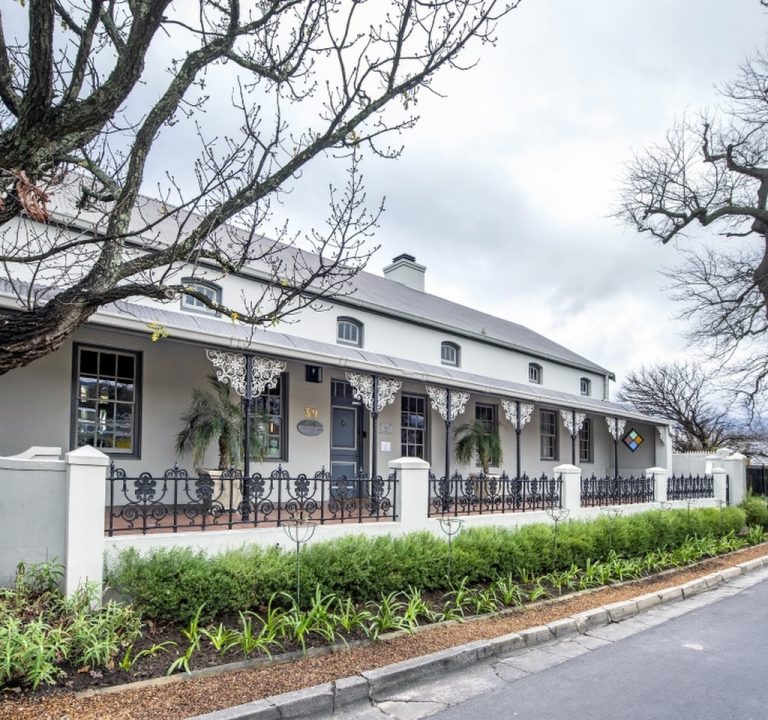
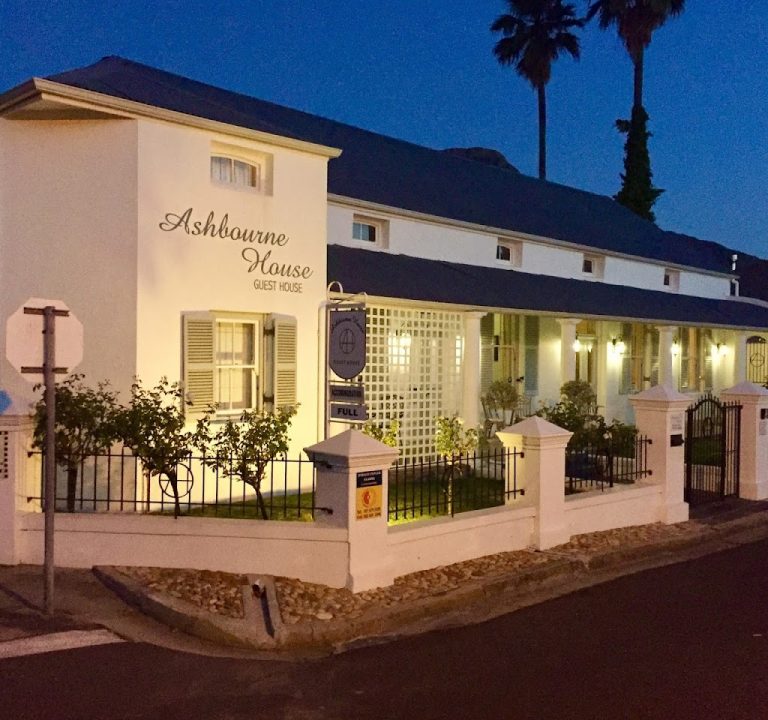
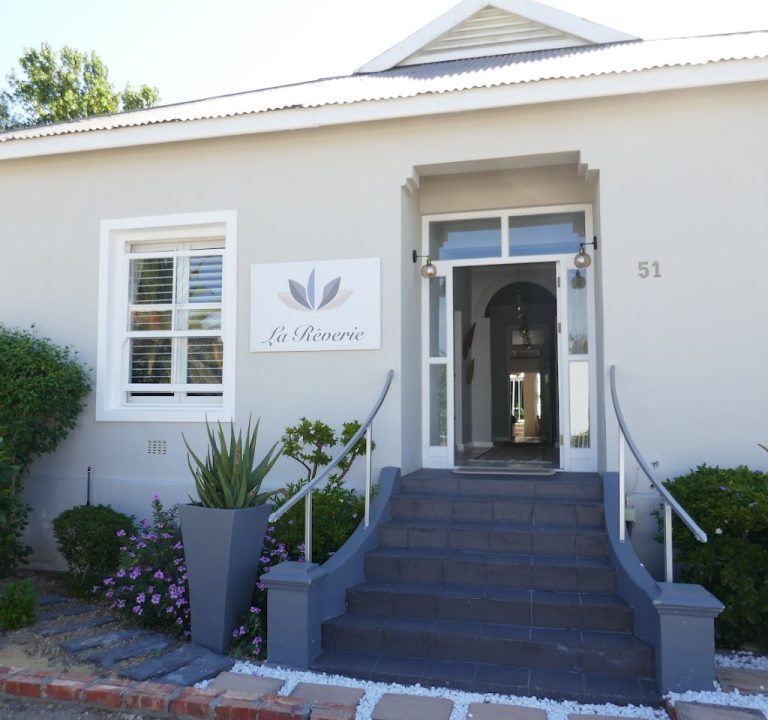
As for accommodation examples, you may come across a selection of guest houses and small hotels that offer a personalised stay with a distinctly Franschhoek flavour. Some properties emphasise a home-from-home feel, with a warm warmly welcoming host, curated regional touches, and easy access to both the town centre and vineyard routes. Others offer more secluded settings with expansive outdoor spaces, ideal for couples seeking privacy or guests who prefer a quiet ambience after a day’s exploring.
To plan a well-rounded visit, combine your lodging choice with a flexible itinerary that prioritises quality time in the wine and food scene while reserving space for spontaneous discoveries—perhaps a late afternoon stroll along a gallery-lined street, followed by an intimate dinner at a local dining room that emphasises seasonal ingredients. With thoughtful planning, Franschhoek becomes less about ticking places off a list and more about savoury moments, memorable views and a comfortable, well-situated base from which to explore the Western Cape’s renowned wine country.