Franschhoek: Where to Stay, Eat and Explore in the Cape Winelands
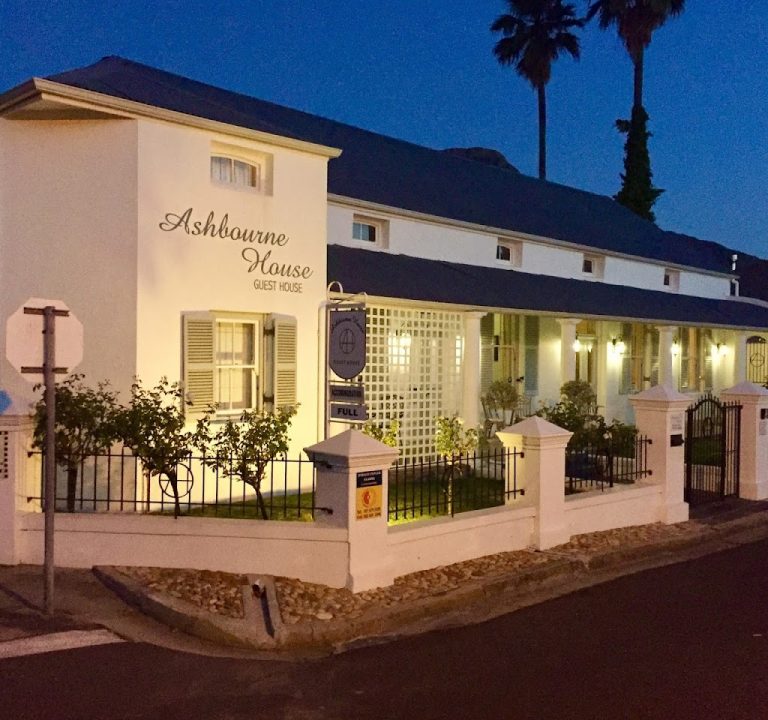
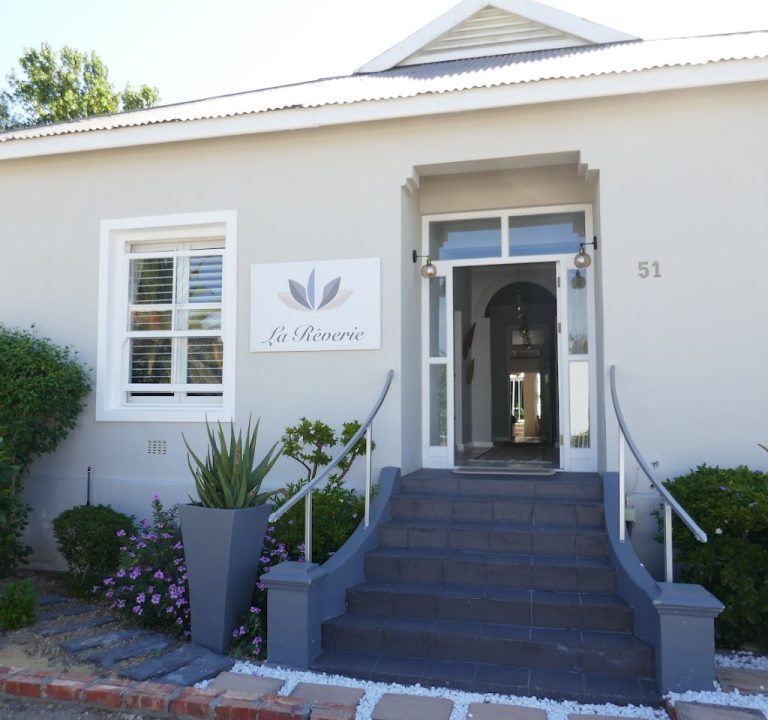
Franschhoek sits in a sun-dappled valley surrounded by rugged mountains, renowned for its gourmet food scene, world-class wines and a charming village atmosphere. Planning a stay here means balancing vineyard views with easy access to the village lanes, art galleries, and the nearby mountains. Accommodation ranges from intimate guesthouses and boutique hotels to hillside lodges with sweeping vistas. For instance, De Ville Lodge is one of the options that visitors may consider when exploring the village’s hotel and guesthouse offerings, each with its own character and level of service.
When deciding where to stay, consider the area within Franschhoek itself and the surrounding neighbourhoods. The village core is compact, walkable, and lively, with restaurants, shops and tasting rooms all within easy reach. If you prefer tranquillity and scenery, look to hillside or vineyard-facing properties just outside the town centre, where you can wake to birdsong and panoramic views. If your plan includes day trips to nearby wine farms or a scenic drive through the Franschhoek Pass, a property on the northern or eastern outskirts can cut transfer times and provide a restful base after a busy day.
Typical amenities you might expect include en-suite bathrooms, comfortable communal lounges, and outdoor spaces such as patios, terraces or gardens. Many properties offer breakfast included, and a few provide additional meals or picnic options. Look for rooms with good natural light, reliable Wi‑Fi, secure parking and a responsive host or on-site team. If you rely on your own vehicle, confirm parking arrangements and the ease of driving in residential streets or access gates. For guests who prefer convenience, some boutique hotels and guesthouses position themselves near the main drag, while others prioritise privacy with secluded courtyards or vineyard paths.
Booking tips to help you choose wisely include checking guest reviews for consistency on service and cleanliness, noting the proximity to your planned activities, and understanding cancellation terms. Franschhoek can be busy during harvest season and holiday weekends, so early booking is wise if you have specific room types or dietary needs. When contacting properties, be specific about your preferences—accessible rooms, quiet locations, or balconies with morning sun can make a big difference to your stay. If you’re celebrating a special occasion, some properties can arrange personalised touches with notice.
Transport in Franschhoek is relatively straightforward but may influence where you stay. Within the village, most places are walkable, but a short taxi ride or a driver for wine tours can save time and heighten the experience. If you’re self-driving, verify gate codes or parking access in advance, and plan your days to avoid peak traffic around the village. Public transport is limited in the immediate area, so a rental car or organised tours are practical choices for exploring the valley and beyond. For those staying at a vineyard lodge, you may have the option of shuttle services or guided tastings arranged through the property or nearby farms.
Best time to visit Franschhoek spans spring and autumn when the weather is mild and the colours are vibrant. The harvest period brings a lively atmosphere and plenty of tasting options, though it can be busier and prices may rise. Winters are cooler and quieter, offering a cosy setting in guesthouses with fireplaces. Summers are sunny and well-suited to outdoor dining and vineyard walks, but be prepared for heat in the peak heat of the day. Packing light layers, a comfortable pair of walking shoes and a sunhat will help you make the most of your days.
Beyond lodging, Franschhoek offers a range of attractions and experiences that complement a relaxed, well-balanced stay. The village is known for its art galleries, specialty shops and historically significant sites that reflect its French-influenced heritage. Visitors often enjoy scenic drives or guided winery visits in the valley, with many estates offering tastings that pair with locally sourced foods. In the town, you’ll find casual cafés and fine-dining establishments that showcase fresh local produce and regional wines. For a broader experience, consider a short excursion to nearby mountain trails or a countryside market to observe the day-to-day rhythms of the area.
Practical tips to enhance your trip include arriving prepared for farm-to-table dining demands, where reservations are prudent for popular eateries, especially on weekends. If you have dietary preferences, notify restaurants in advance to ensure suitable options are available. Water and energy use are central to the Western Cape’s tourism environment, so reuse towels where possible and follow any guidance from your accommodation about environmental practices. Bring cash or a card for small purchases at village stalls and markets, as some places may not accept every payment method. Finally, carry sun protection and a light rain layer, as weather in the Cape can be changeable even in warmer seasons.
- Book accommodation early in peak seasons (harvest and weekends) to secure preferred room types and locations.
- Choose a base that offers easy access to both the village core and vineyard routes you wish to explore.
- Confirm breakfast arrangements and any included meals when comparing properties.
- Plan transport options in advance, whether hiring a car, using local taxis, or arranging tours.
- Check cancellation policies and any flexible rates in case plans shift.