Durban: Where to stay and what to do for a memorable KwaZulu-Natal visit
Durban, perched along the Indian Ocean, blends sun-kissed beaches with a vibrant cultural scene and easy access to the surrounding Natural Heritage landscapes. Whether you are seeking a laid‑back seaside break, a foodie city stay, or a base for exploring the inland subtropics, Durban offers a range of accommodation that can suit most travellers. A well‑planned stay often hinges on choosing the right neighbourhood, understanding transport options, and pairing a comfortable base with thoughtfully timed activities.
When selecting accommodation, consider the following areas and what they typically offer:
- регион‑by‑region appeal: beachfront districts provide easy access to the promenade, surf and sunset views, while inland suburbs often deliver a calmer setting with shops and eateries within easy reach.
- Proximity to attractions: staying near the Golden Mile or the central Golden Mile precinct makes long days of exploring easier, especially if you plan early morning strolls or evening meals along the coast.
- Local character: boutique guesthouses may specialise in intimate, personalised service and décor that echoes Durban’s coastal heritage, whereas larger hotels can offer more extensive facilities and flexible dining options.
- Accessibility and transport: convenient locations near major routes or public transport hubs can cut transit time, particularly if you plan day trips to the nearby battlefields, nature reserves, or the Valley of a Thousand Hills.
For a comfortable stay, look out for common amenities that travellers value highly in Durban. A well‑equipped room with air conditioning or good outdoor airflow is important in the warm months. Reliable Wi‑Fi, secure on‑site parking, and easy access to beaches or pools make a stay more convenient. Some guests appreciate on-site dining options or easy access to recommended local eateries. If you prefer a quieter environment, you may opt for a guesthouse tucked away from the main tourist corridors, with garden seating and a verandah for evenings after the day’s adventures.
Key considerations when booking include the price range for the season, cancellation policies, and the level of service you require. Durban can be busy in peak holiday periods, so early planning often secures better rates and preferred room types. Read guest reviews with a view to the consistency of housekeeping, the friendliness of staff, and how well the property handles peak times. If you are travelling with family or a group, check if a property can accommodate extra beds or cot facilities, and whether there are communal spaces for socialising or simply relaxing after a day out.
From a practical standpoint, plan to stay somewhere that makes access to Durban’s cultural and natural attractions straightforward. A few transport pointers can help you move around efficiently:
– Taxis or rideshare services are widely available and useful for short trips along the coast or into the city centre, particularly after dark.
– The city centre and beachfront areas offer walkable routes, but for longer explorations into the inland hills or outlying reserves, a car often proves most convenient.
– Some guesthouses and hotels provide shuttle services or can arrange guided tours, which can take the guesswork out of day trips.
Best time to visit Durban tends to be year‑round, thanks to its subtropical climate. The summer months bring warm sea temperatures and lively beach life, while the winter is generally milder and drier, ideal for outdoor activities such as nature trails and city sightseeing. If you are planning a beach‑focused stay, the shoulder seasons can offer quieter beaches and more affordable rates without sacrificing good weather.
Durban’s attractions and experiences span both urban culture and natural beauty. In the city, you can expect a mix of markets, art galleries, and architectural interest that reflects the region’s rich history. Coastal promenades invite long walks or cycling along the shoreline, while heritage warehouses have evolved into stylish cafes and eateries. For families and food lovers, there are welcoming venues that showcase South Africa’s diverse culinary traditions in a relaxed setting. For those who enjoy nature, the surrounding region offers subtropical parks and viewpoints that reward hikers and photographers alike. A stay that blends beach time with a taste of Durban’s urban life tends to be well received by a wide range of visitors.
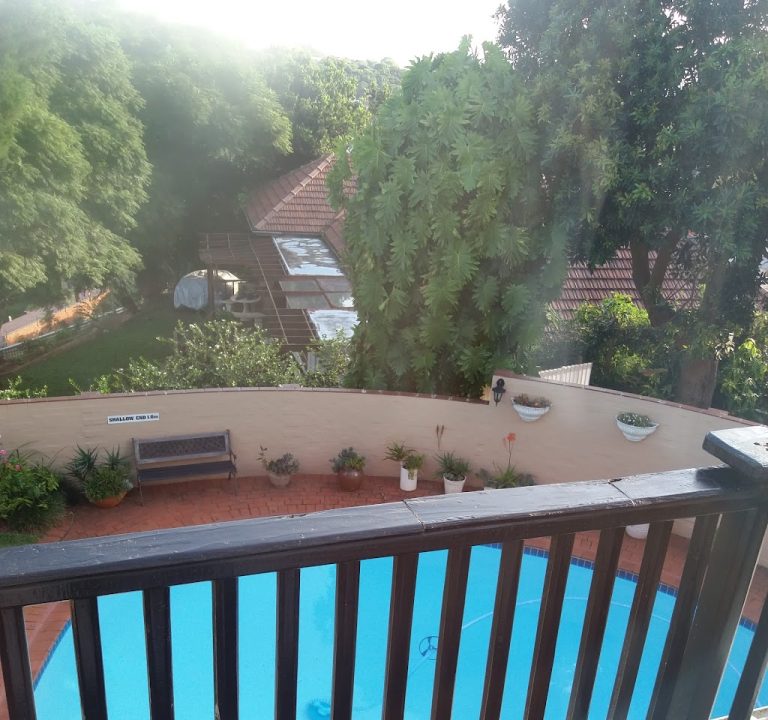
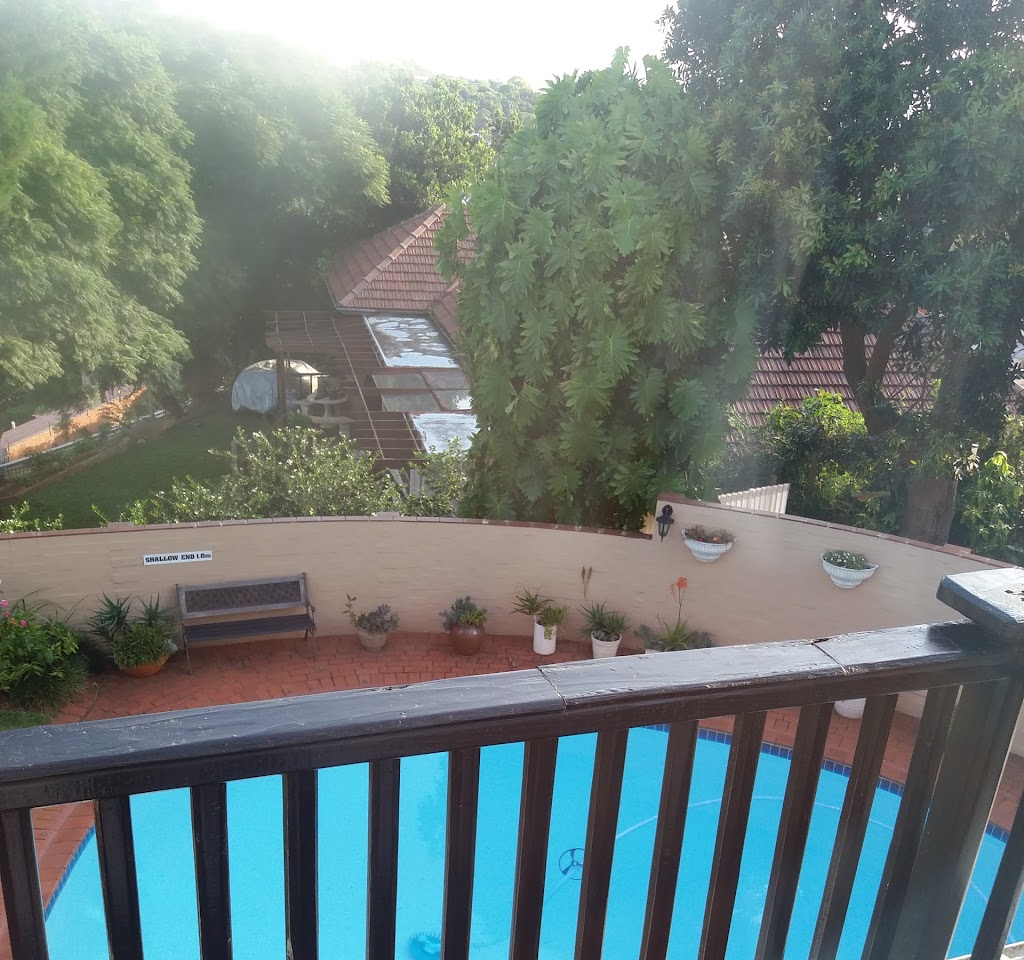
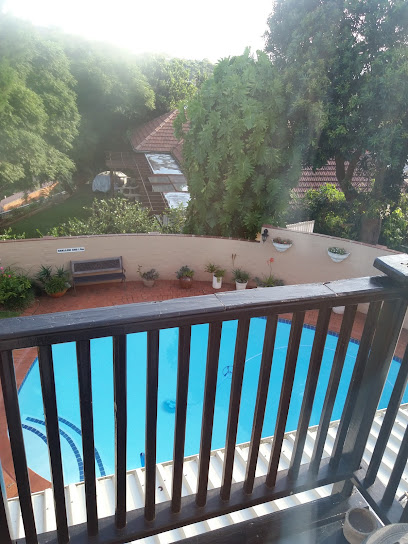
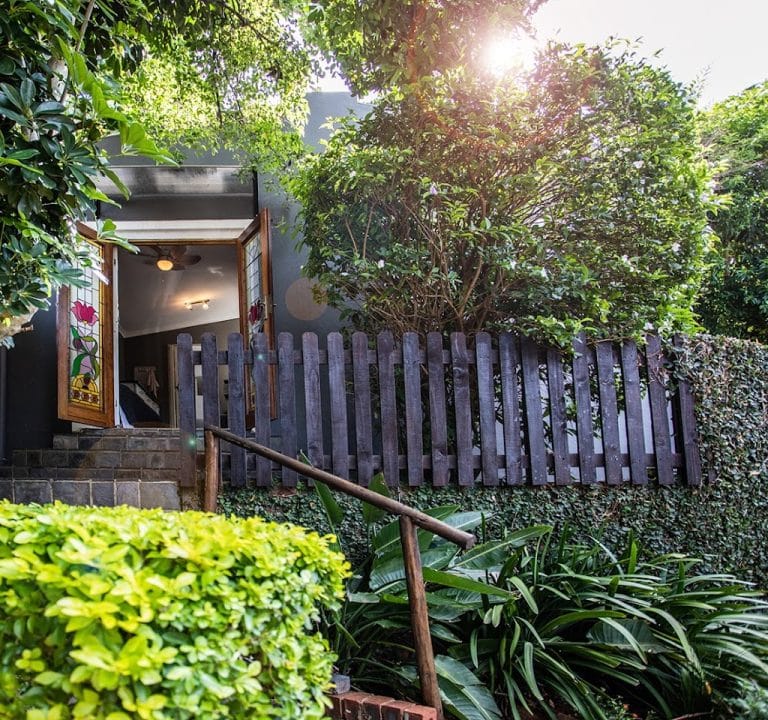
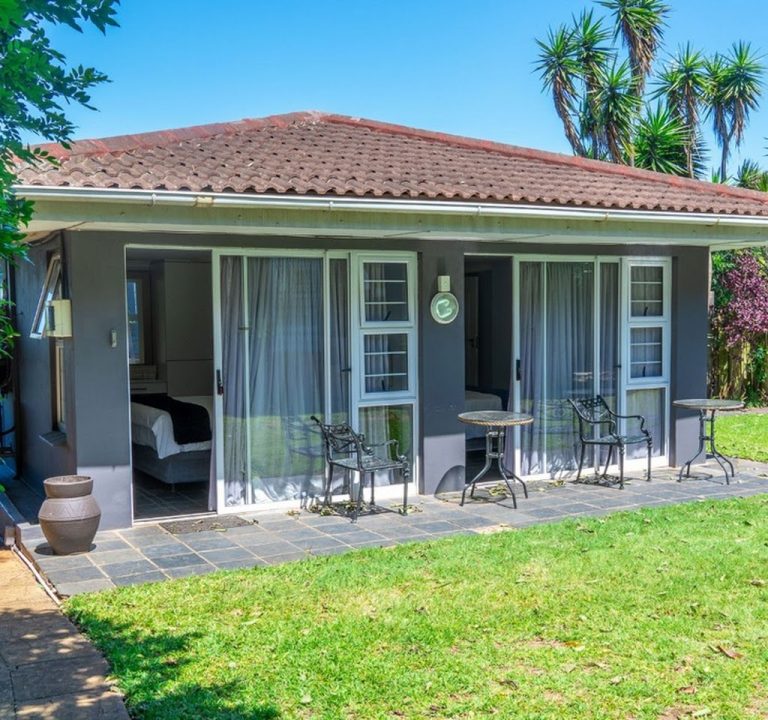
Accommodation ideas for a well‑rounded Durban visit include a stay at a guesthouse near the coastline for easy beach access, or a boutique property in the city centre that’s a short taxi ride from dining hubs and cultural venues. If your plan includes day trips to nearby nature reserves or rural towns, consider a base with good road connections and the option of arranging guided excursions. For the specifics of a particular property such as An Upper Room B&B, guests can expect a personalised, intimate experience that highlights local hospitality, with comfortable rooms and a focus on a restful night after days spent exploring the city and its surroundings.
Finally, practical tips to help you plan your Durban stay: prioritise a balanced itinerary that combines relaxation with light exploration, book well in advance during peak seasons, and keep a small movement timeline for meals and transport to avoid long waits. Pack sun protection, light layers for cooler evenings, and a waterproof layer during the wetter months. With thoughtful planning, Durban’s warmth—both in the weather and the welcome you receive—can set the tone for a memorable KwaZulu‑Natal experience.