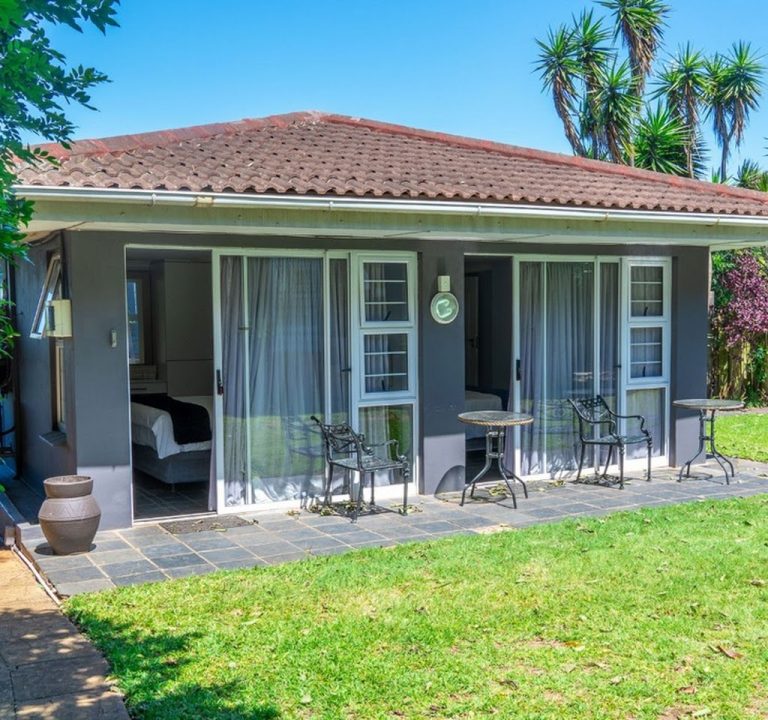
Durban: accommodation and getting around for visitors
Durban, on the east coast of KwaZulu-Natal, offers a vibrant mix of beaches, markets, and subtropical scenery that makes for a relaxed yet immersive stay. When planning an trip, think about the neighbourhoods that suit your pace and interests, as well as the practicalities of transport, weather, and daily routines. From cosy cottages to contemporary boutique stays, Durban’s accommodation options provide a gateway to the city’s warmth, culture, and coastline.
Areas to consider
Durban is a city of distinct zones, each with its own character. For beachside convenience and easy access to the promenade, look for stays near beachfront districts such as the popular central coastline and lesser-known coves further north. If you prefer a quieter, leafy atmosphere with a village feel, consider suburban enclaves close to parks and cafés. For families and longer breaks, a self-contained cottage or guesthouse in a residential neighbourhood can offer space, kitchen facilities, and a more local pace. When choosing a district, map your daily plans: a shorter drive or ride in the mornings makes easy trips to beaches, markets, and nature reserves more feasible.
What to look for when booking
Begin with the basics: a comfortable bed, reliable hot water, and a clean, private bathroom. Check for thoughtful touches such as air conditioning or fans for Durban’s warm seasons, secure parking if you’ll be hiring a car, and Wi‑Fi if you need to stay connected. If you want to cook, a well-equipped kitchenette or kitchen is a plus. Consider the commitment level of the host or property manager—clear communication and prompt responses often signal a smoother stay. Read guest reviews for insights on noise levels, proximity to transport links, and how accurately listings reflect reality.
Typical amenities and features
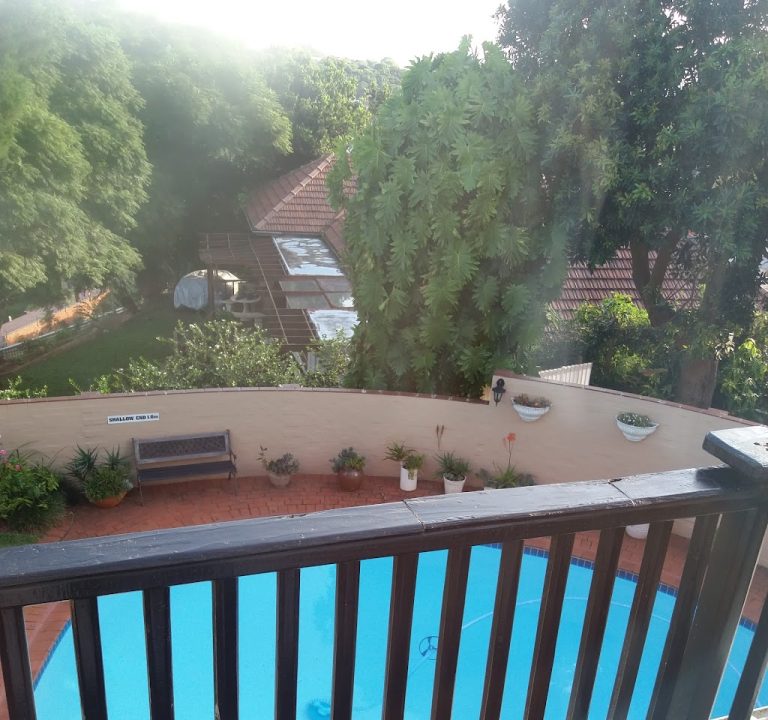
Durban’s accommodation spans simple cottages to modern guesthouses and boutique hotels. Common amenities include private entrances, comfortable lounges, daily cleaning or weekly housekeeping, and well-appointed kitchens or kitchenettes. Many properties offer parking, quiet outdoor spaces, and easy access to terraces or balconies for al fresco dining. If you’re travelling with family, look for child-friendly options such as separate bedrooms or enclosed gardens. For travellers seeking a touch of pampering, some stays provide locally sourced breakfasts, spa-inspired bathrooms, or curated welcome packs with tips on local eats and activities.
Transport and getting around
With a long coastline and a spread-out urban core, having a plan for transport helps a lot. Renting a car provides maximum flexibility to explore both the city and the nearby inland attractions. Alternatively, Durban has ride‑hailing services and limited bus routes; many neighbourhoods are walkable or reachable by short rides to the beachfront or markets. If you’re staying near major transit hubs or along the coast, you’ll find it easier to access beaches, the harbour, and cultural precincts without relying solely on private transport. When booking, consider proximity to the attractions you plan to visit most and whether your accommodation offers convenient access to safe walking routes late at night, especially along the beachfront promenade and busy market streets.
Best time to visit and practical tips
Durban enjoys a subtropical climate with hot, humid summers and mild winters. The peak tourist season typically runs from December to February, when the beaches are busiest. For calmer conditions and more comfortable touring, consider spring (September to November) or autumn (March to May). Rain is more common in the summer months, so pack lightweight rainwear and adaptable clothing. Practical tips include booking accommodation well in advance during school holidays and festive periods, checking cancellation policies, and looking for properties that provide guest information folders with maps, recommended eateries, and local tips. Bring sun protection for daytime excursions and plan water-based activities with local safety guidance in mind.
What to do: attractions and experiences (in general terms)
Durban offers a blend of outdoor activities, cultural experiences, and culinary delights. Days can be spent along the famous promenade, enjoying warm sea breezes and broad sandy beaches, or exploring markets, museums, and botanical spaces inland. Visitors often ride the city’s coastal cycle paths, explore nature reserves, and sample Durban’s rich multicultural cuisine. For a relaxed pace, stroll through neighbourhoods with storefronts and cafés, or take a short drive to nearby nature retreats where you can hike or simply enjoy a riverside picnic. Dining experiences typically showcase a spectrum of flavours, from vibrant street-food-style venues to refined eateries that emphasise fresh seafood and regional produce. For practical itineraries, balance beach time with a mix of cultural and culinary stops, and reserve some time for sunset views and casual strolls along the waterfront.
Canopy Cottage and comparable stays
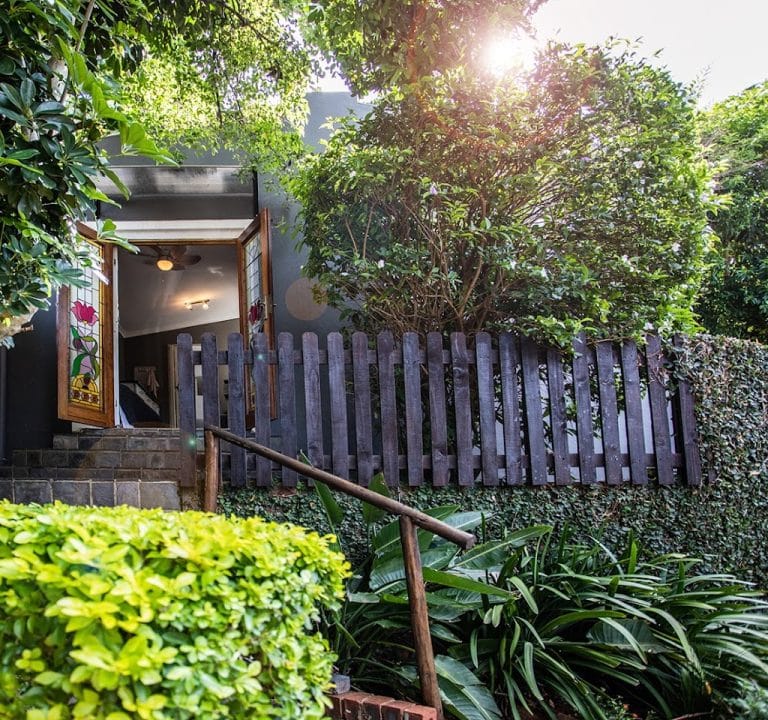
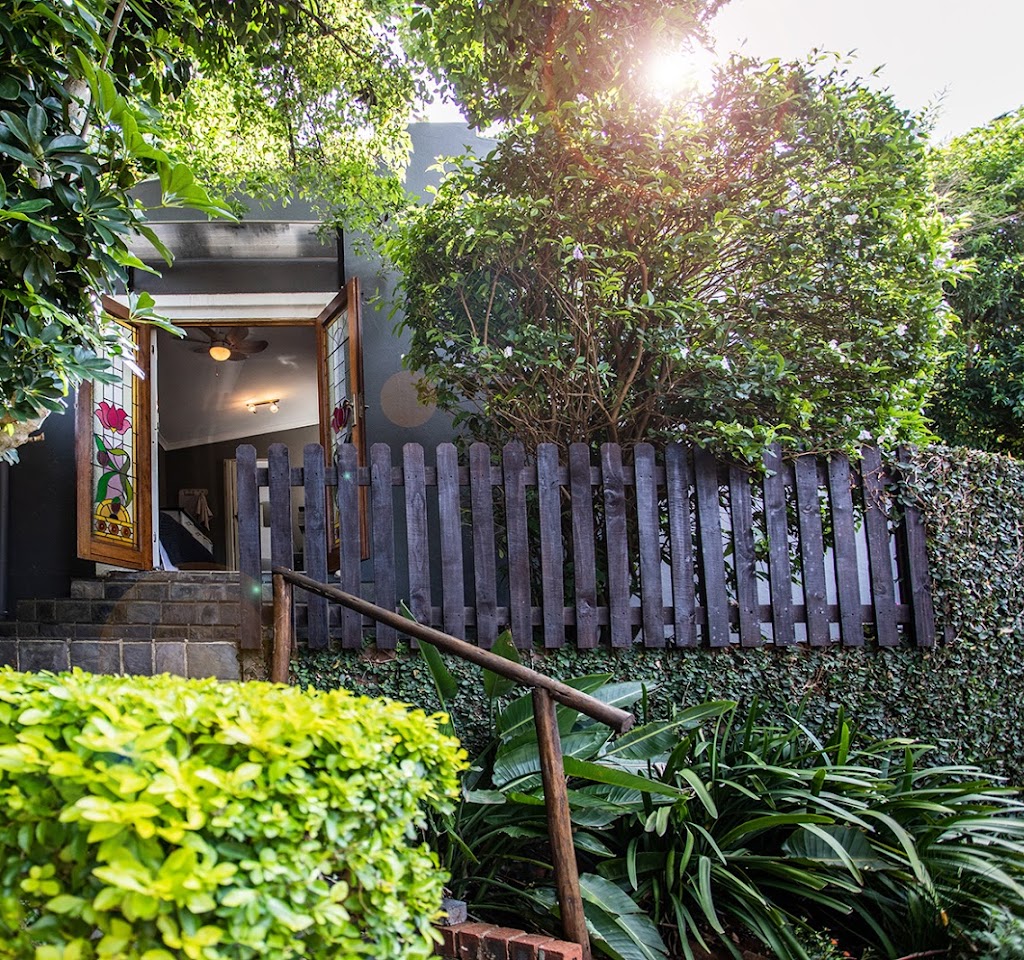
For travellers seeking a cosy, home-from-home base, a cottage option such as those found in residential neighbourhoods can offer privacy, self-catering facilities, and a quieter environment after busy city days. A cottage stay can be particularly appealing for families or groups who value space and flexibility, as well as easy access to beaches and local cafés. When booking a cottage, look for clear instructions on self-check-in, eco-friendly practices, and nearby shops or markets for essentials. If the listing provides a glimpse into the surrounding area, you’ll be better prepared to plan day trips and meals that suit your budget and pace.
- Book early for peak seasons and coastal events
- Prioritise properties with kitchen facilities if you plan to self-cater
- Check proximity to beaches, markets, and transport links
- Review cancellation terms and host communication history
- Look for guest information on local safety, parking, and walking routes
Practical tips for a smooth Durban stay include packing a mix of light clothing and a lightweight jumper for cooler evenings, planning a flexible itinerary to accommodate weather, and keeping a small bag ready for easy beach trips or market visits. Most importantly, approach your visit with an openness to local experiences—the city’s warmth often shines through in its people, markets, and the casual, welcoming vibe of places to stay.