Exploring Cape Town: A Guide to Accommodation, Areas, and Experiences
Cape Town sits at the southern edge of Africa, framed by ocean, mountain and harbour. When choosing where to stay, consider how you want your days to unfold: a peaceful coastal retreat, a bustling urban base, or a scenic neighbourhood with easy access to both beaches and historic sites. The city offers a wide range of accommodation, from cosy guest houses to boutique hotels and self-catering apartments, each with its own character and convenient access to Cape Town’s many attractions.
Areas to consider include the Atlantic Seaboard for stylish ocean views and quick trips to beaches and markets, the City Bowl for proximity to museums, dining and nightlife, and the Southern Suburbs for leafy streets, wine routes and a quieter pace. If you’re after iconic views and dramatic scenery, the slopes of Table Mountain and the nearby Constantia Valley are hard to beat. For a historic feel with easy access to the waterfront, the V&A Waterfront precinct continues to be a popular choice. When booking, think about travel time to the places you most want to visit, and whether you prefer a high-energy location or a calmer, residential vibe.
Typical amenities that travellers value include reliable Wi-Fi, comfortable bedding, a well-equipped guest kitchen or tea and coffee facilities, secure parking or easy public transport access, and friendly, knowledgeable hosts or on-site staff. Some guest houses offer curfews, breakfast options, or curated recommendations for day trips and dining. Before booking, check what is included in the rate, whether there is self-catering capacity, and what the cancellation policy allows in case your plans shift.
Transport in Cape Town ranges from rented cars and ride-hailing to public buses and scenic routes on slower, but very affordable, public transport. The MyCiTi bus network serves many parts of the metro area with reliable routes and clear information, while Uber and other services are commonly used by visitors for shorter hops or evening outings. If you plan a few day trips—such as to the Cape Winelands, the Cape Peninsula, or Robben Island—consider your distance from your base and whether guided tours or private drivers would suit your itinerary. For guests staying near Table Mountain, mornings can offer the best light for panoramic views, with calmer trails and fewer crowds later in the day.
Best time to visit Cape Town depends on what you want from your trip. The city enjoys a Mediterranean climate with warm, dry summers and mild, wet winters. Peak tourist season runs from late spring to early autumn, when outdoor activities, beaches and outdoor markets are in full swing, but this also means higher prices and larger crowds. Winter can be mild and a good choice for birdwatching, storm watching from the shore, and visiting museums and galleries with fewer queues. Shoulder seasons often provide a balance of pleasant weather and more laid-back atmosphere, with competitive rates for accommodation.
When planning a stay, think about how you’ll balance nature, culture and dining. A day might begin with a sunrise under the shadow of Table Mountain, followed by a scenic drive along the Atlantic coast, a lunch stop at a harbour-side market, and an afternoon walk through cultivated gardens or historic districts. For evenings, Cape Town offers a broad spectrum of options—from casual, family-friendly eateries to intimate dining rooms and craft breweries. Many neighbourhoods feature a mix of styles and cuisines, so you can tailor meals to your mood and budget.
To help you compare options, here is a concise checklist for booking:
- Location relative to the activities you plan to prioritise (Table Mountain, beaches, city centre, or wine routes).
- Proximity to public transport or parking arrangements if you’ll be driving.
- Clear information on breakfast, kitchen facilities, and self-catering options.
- Reviews focusing on cleanliness, noise level, and host or staff responsiveness.
- Flexible rates or cancellation policies in case plans change.
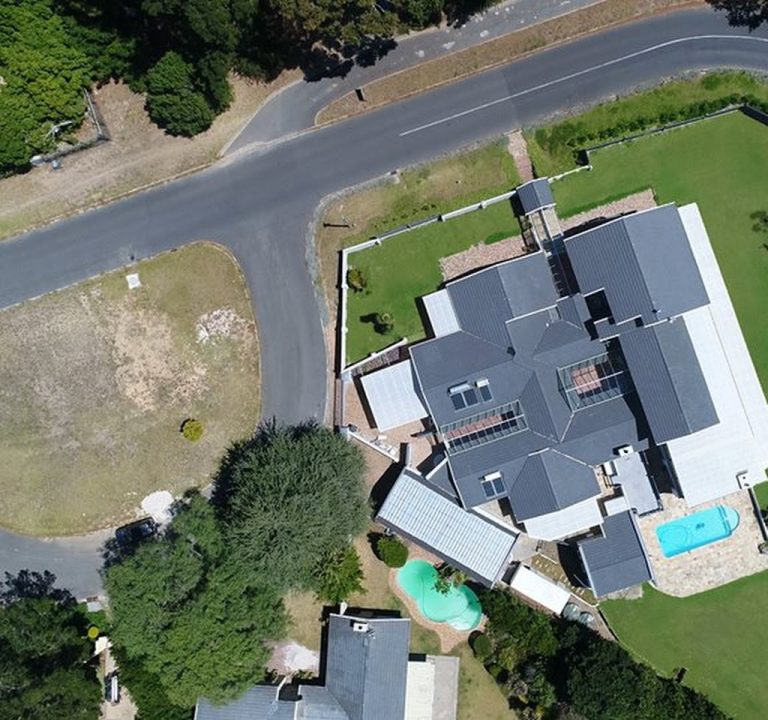
Accommodation suggestions in Cape Town vary from intimate guest houses to modern boutique hotels. An example of a guest house in the area could offer a cosy atmosphere, with personalised service and a convenient base for exploring nearby attractions and eateries. When visiting, consider booking a stay that includes guidance on local experiences—such as markets, scenic walks, and easy-access routes to the city’s top excursions. For those who want to plan ahead, official tourism sites and reputable travel portals provide practical itineraries and recommendations for day trips, seafood shacks, and fine dining options without implying specific price points or awards.
In terms of experiences, Cape Town is a gateway to remarkable settings: a cable car ride up a mountain, a harbour cruise, a coastal drive with panoramic coastal towns, and nature walks along rugged landscapes. While restaurant names and precise prices vary, visitors commonly enjoy fresh seafood, farm-to-table dishes, and globally influenced menus that reflect the city’s diverse culture. For a balanced itinerary, mix morning outdoor activities with afternoon museum visits or gallery strolls, then finish with a relaxed dinner in a characterful neighbourhood.
For more inspiration and practical planning, consult official tourism resources and local travel guides. These sources can help you combine a stay in a guest house or boutique hotel with accessible routes to beaches, scenic viewpoints, markets and eateries. Remember to check seasonal advisories and local etiquette, plan your day around dawn light for photography or hiking, and leave time for spontaneous discoveries along the way. A well-chosen base in Cape Town can make your visit feel effortless, allowing you to soak in the city’s distinct beauty and welcoming hospitality.