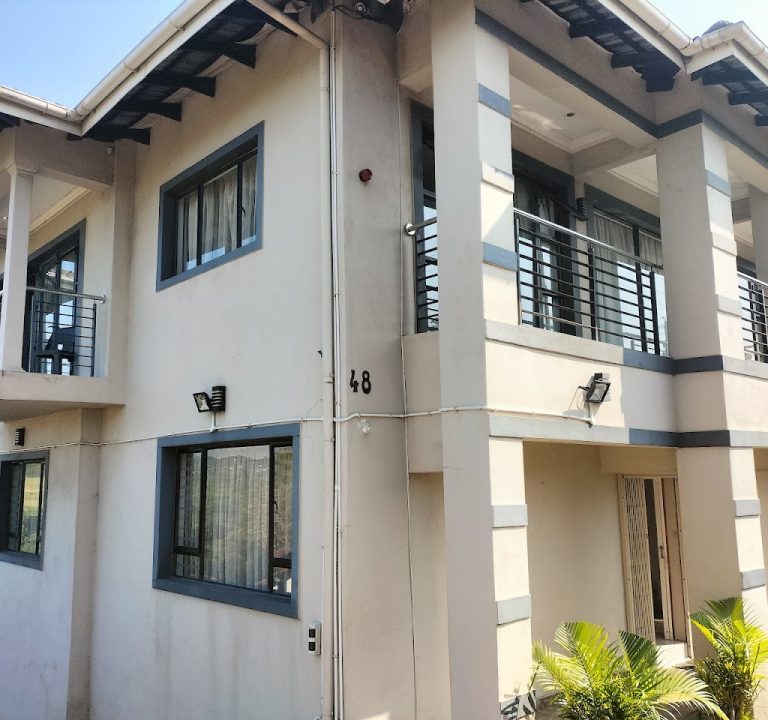
Durban: Accommodation Tips and Highlights for a Memorable Stay
Durban, on KwaZulu-Natal’s subtropical east coast, offers a vibrant mix of beaches, heritage and modernising urban spaces. When planning a visit, consider the city’s diverse neighbourhoods to tailor your stay to your pace and interests. From easy access to the coastline to leafy residential streets close to eateries and culture, Durban suits families, couples and solo travellers alike.
Accommodation in Durban ranges from boutique guesthouses and B&Bs to much larger hotels and self‑catering apartments. If you are looking for personal service and a distinct sense of place, a boutique guesthouse or a well-run B&B can provide thoughtful breakfasts, local recommendations and a homely atmosphere. For convenience and flexibility, self-contained apartments or serviced studios offer ample space, especially for longer stays or families. Hotels in the central and beachfront areas typically provide on-site dining, conference facilities and easy access to the city’s key attractions. Consider your preferred wake‑up routine, whether you want breakfast included, and if you value a private pool or a property that is close to public transport routes or parking facilities.
Areas to consider include:
- Point and the Golden Mile — coastal walking paths, direct access to the promenade and the beachfront mood. Suitable for walkers and first-time visitors who want to be close to the sea.
- Umhlanga and the North Coast — a more resort‑like feel with upmarket accommodation, good restaurants and easy motorway access for day trips along the coast.
- BereA and Musgrave — convenient for shopping, business districts and inner-city culture, with numerous guesthouses and smaller hotels nearby.
- Morningside and Florida Road — a hub for dining and nightlife, offering a range of boutique stays and modern hotels close to restaurants and cafés.
When booking, look for clear cancellation policies, flexible dates and transparent access to amenities. Read recent guest reviews to gauge cleanliness, consistency of service and how well the property handles peak periods. Check whether the listing clarifies parking arrangements, especially if you plan to drive to nearby attractions. If Wi‑Fi is essential for work or streaming, verify connection reliability in advance, and confirm if there is a backup option during busy times.
Typical amenities to consider include:
- Complimentary breakfast or easy access to nearby eateries
- Private or shared spaces, including lounges and gardens
- Well‑equipped kitchens or kitchenettes for self‑catering
- On‑site parking, security measures and reliable access to taxis or rideshares
- Pool, air conditioning or fans, and heating for the city’s moderate climate
Transport options in Durban are varied. A car is convenient for exploring beyond the beachfront, particularly for day trips to nearby nature reserves or towns along the coast. If you prefer not to drive, consider accommodation with easy access to major bus routes or taxi services. The city’s golden coastline is well suited to strolls and short journeys by Uber or licensed taxis, and the airport is within a reasonable drive from central neighbourhoods. For rail enthusiasts or visitors seeking a scenic alternative, regional rail services can connect you to nearby towns and scenic routes, though it’s wise to check current timetables in advance.
The best time to visit Durban is during the warmer, drier winter months (roughly May to August) when the city feels lively but the heat is more comfortable for beach days. However, Durban’s subtropical climate means that summer visits (November to February) can be sultry and humid, ideal for long beach days and vibrant street life, with occasional afternoon showers. Shoulder seasons offer a balance of pleasant weather and fewer crowds, which can be ideal for exploring attractions and enjoying dining experiences at a relaxed pace.
What to do while you are in town is broad and appealing to many travellers. The coastline provides a natural playground with safe beaches, promenades and opportunities for family outings. Cultural and historical experiences can be found in the city’s museums, galleries and markets, along with architectural landmarks that reveal Durban’s diverse heritage. For meals, the city’s restaurant scene ranges from casual coastal venues to more refined dining experiences, with a focus on flavours influenced by Indian, African and European traditions. Look for eateries that source seasonal ingredients and offer a vibrant atmosphere, rather than fixed price points or heavy pretensions. A well‑chosen restaurant can be a memorable part of a Durban stay, complementing evenings spent walking the promenade or relaxing at your accommodation’s lounge or terrace.
Practical tips for a smooth trip: book in advance for peak periods, especially in school holidays and long weekends; bring a light jacket for cooler coastal breezes in the evenings; and check the accessibility of your chosen area if you have specific mobility needs. Pack a reusable water bottle, sunscreen and a hat for daytime exploration, and map out a few flexible days that mix beach time with culture and dining. With its friendly pace, warm hospitality and diverse neighbourhoods, Durban makes for a rewarding short break or extended stay, whether you are chasing sunshine, a taste of urban life or a family‑friendly holiday by the sea.
For more information on accommodation options and planning tips, you can visit Durban’s official tourism resources or reputable travel sites that cover KwaZulu‑Natal’s indoor and coastal stays. A good starting point is to explore listings and guides that curate stays by area, style and amenity, helping you assemble a well‑balanced itinerary that aligns with your travel preferences. KwaZulu‑Natal Tourism and regional visitor pages offer broad guidance, while individual property websites provide up‑to‑date details about availability, policies and local attractions.