Durban, KwaZulu-Natal: Where to stay, what to see, and how to plan a memorable visit
Durban offers a warm blend of Indian-influenced flavour, ocean air and rolling landscapes. Whether you favour a stylish guesthouse, a cosy bed & breakfast, a modern hotel, or a characterful lodge, the city’s hospitality scene welcomes all budgets and travel styles. When planning a stay, consider which neighbourhood will best suit your itinerary and mood, as Durban is a city of contrasts—from verdant hills and leafy suburbs to sun-kissed beaches and a buzzing urban core.
Accommodation in Durban ranges from boutique B&Bs with personalised breakfasts to contemporary hotels with sweeping sea views. A common feature across well-regarded options is thoughtful bedrooms with ensuite facilities, reliable Wi-Fi, secure parking, and friendly service that helps you navigate local attractions. Some properties offer additional touches such as communal lounges, gardens or courtyards, and assistance with booking tours or dinner reservations. If you’re exploring a self-catering approach, many guesthouses and lodges provide handy kitchen facilities or easy access to nearby markets and eateries.
For first-time visitors, staying in central or coastal zones can minimise travel time and maximise beach days. The northern coastal area and suburbs close to the beachfront often provide easy access to promenades and cycle routes, while inland pockets offer a quieter, leafy atmosphere with quick links to the city’s cultural and dining scenes. If you value tranquil surroundings, a hilltop or garden setting can be an appealing base to return to after busy days spent exploring markets, museums, and seaside promenades.
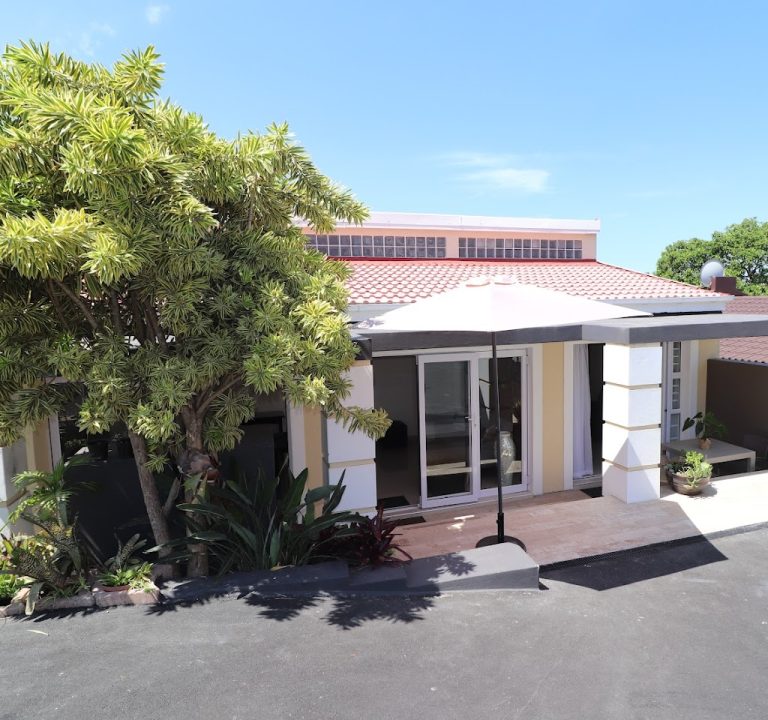
A practical example of Durban accommodation is 48 on Candella, a bed & breakfast that embodies the intimate, guest-focused approach many visitors seek. Such properties typically deliver a homemade breakfast, personalised tips for local dining and activities, and a central location that makes day trips straightforward.
Transport is a key planning consideration. Durban’s coast is connected by a network of roads, and several accommodation options are well placed for walking access to beaches and eateries. When planning longer outings, you’ll often rely on taxis or ride-hailing services, with some areas offering good access to bus or rail links to outlying sights. If you prefer a car, ensure your stay includes secure parking or convenient street parking, and factor in peak-hour traffic when scheduling long day-trips or restaurant reservations.
The best time to visit Durban is largely weather-driven. The city enjoys a subtropical climate, with warm summers and mild winters. Coastal stays are particularly pleasant in spring and autumn, when humidity is lower and sea temperatures are comfortable for beach days. The rainy season can bring heavy showers at times, but many visitors still enjoy outdoor activities with smart planning and flexible itineraries. If you’re chasing events and markets, align your dates with local festivals and cultural happenings—these often showcase Durban’s diverse heritage and culinary scene.
Typical amenities you can expect to influence your choice include strong Wi-Fi, air conditioning or ceiling fans, private bathrooms, and daily housekeeping. Breakfast is frequently highlighted at guesthouses and B&Bs, ranging from continental light bites to more substantial, cooked options that reflect local flavours. Other thoughtful touches might be secure entry, on-site parking, garden spaces for relaxation, and staff who can share insider tips on what to see and where to eat.
When selecting accommodation, ask yourself a few practical questions to guide bookings:
- What is convenient for your planned activities—beachfront, business districts, or city-centre sights?
- Is public transport or ride-hailing convenient from the property to the places you want to visit?
- Do you prefer a quiet suburban feel or a lively area with easy access to dining and nightlife?
- What level of breakfast service or kitchen access do you require?
- Are the property’s health and safety measures clearly outlined and suitable for your travel style?
Durban's attractions span beaches, cultural centres, and natural beauty. In general terms, you’ll find long sandy beaches great for swimming and sunbathing, promenades perfect for morning runs or late-afternoon strolls, and a range of markets and museums that illustrate the city’s Indian, Zulu and colonial influences. Outdoor enthusiasts can plan day trips to nearby nature reserves or coastal trails, whereas food lovers will discover a rich array of South African and Indian-inspired dishes in a variety of eateries. In the evenings, harbour-front dining, casual cafés, and village-style eateries offer options to suit different moods and budgets.
To help you make the most of your stay, consider building an approach that blends relaxation with discovery. Start with a couple of days in a central or coastal area to acclimate, followed by a day or two exploring markets, art galleries, and a coastal reserve or park. If you’re curious about heritage and culture, factor in museum visits and neighbourhood walks that highlight Durban’s diverse communities. And if you’re keen on dining experiences, seek recommendations from your accommodation hosts—local knowledge can highlight popular brunch spots, family-run eateries, and contemporary venues that deliver memorable meals without the need for extensive planning.
Durban is well placed for a diverse mix of experiences, and a thoughtfully chosen stay can act as a comfortable hub from which to explore. Whether you book a cosy B&B like 48 on Candella or another characterful retreat, you’ll find that the city’s warmth extends beyond the climate into its hospitality, cuisine, and welcoming neighbourhoods. For further inspiration and practical planning, you may explore regional tourism information and current event listings at local visitor portals or official Durban tourism resources.