Cape Town: where to stay, what to see and taste, and practical tips for a great visit
Cape Town is a city of striking contrasts, where mountains meet the sea and history sits alongside modern cafés and galleries. When planning a stay, visitors often begin by choosing a neighbourhood that matches their interests and pace. City Centre and the fashionable City Bowl offer easy access to museums, markets and a lively dining scene. The Atlantic Seaboard, from Sea Point to Camps Bay, provides dramatic ocean views and long harbour-side walks. For wine lovers and peaceful escapes, Constantia and nearby steepled valleys offer leafy guest houses and country-house style stays. If you’re seeking a colourful, historic vibe, Bo-Kaap’s hillside streets near the Botanic Garden provide a fragrant start to each day.
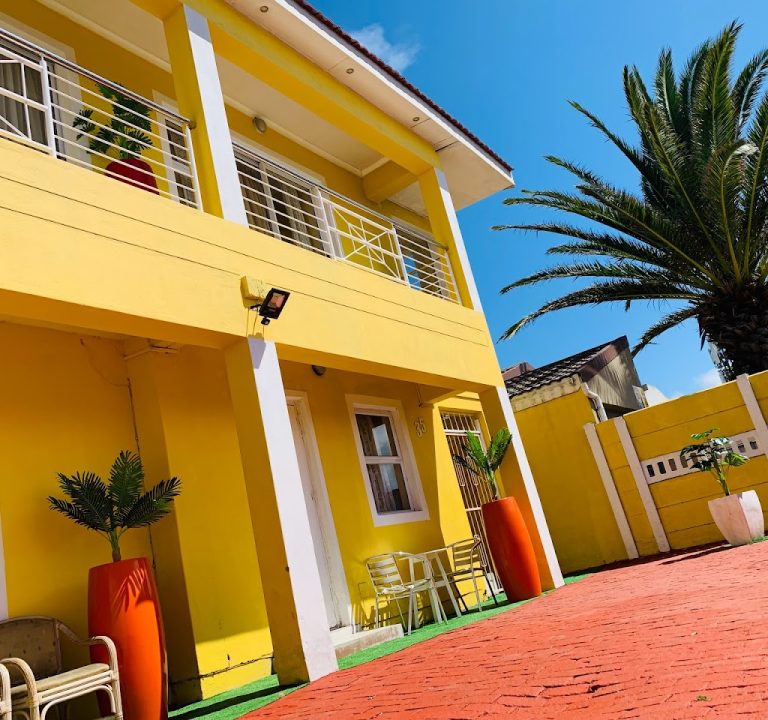
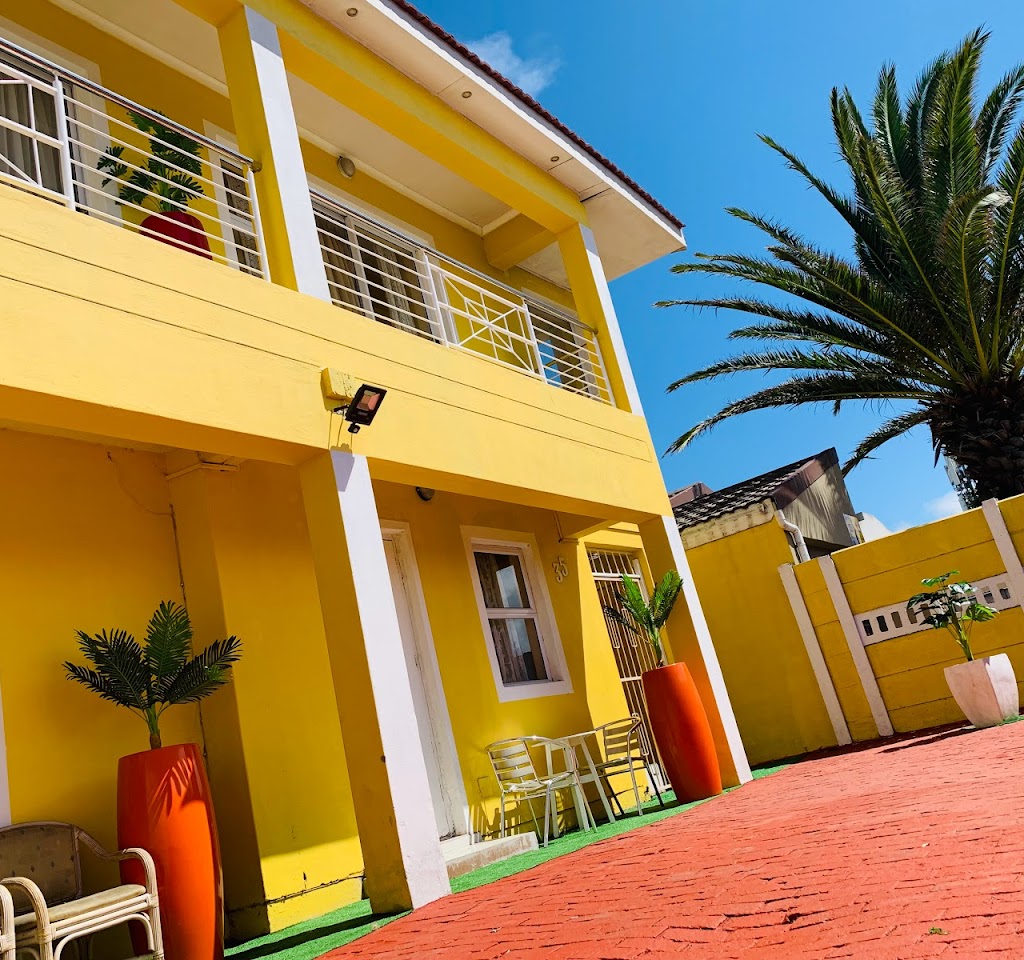
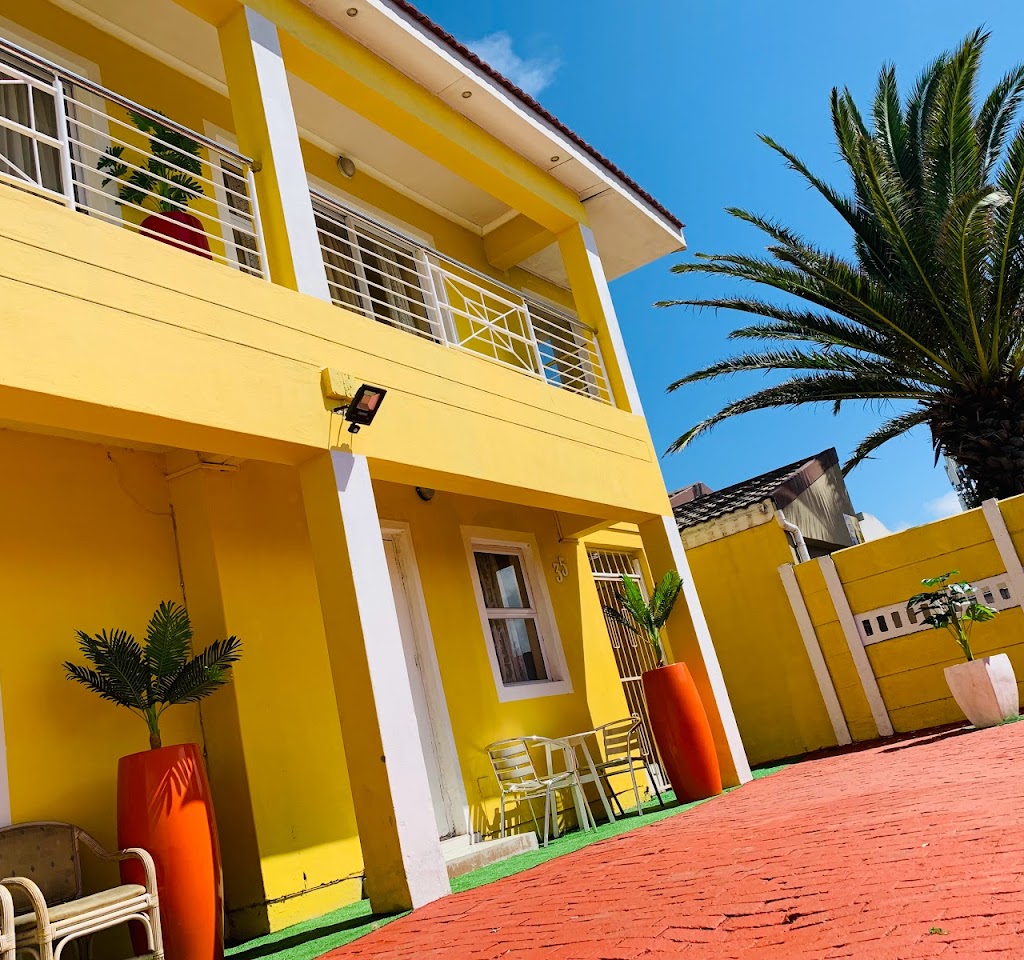
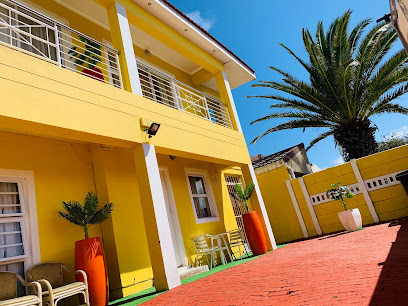
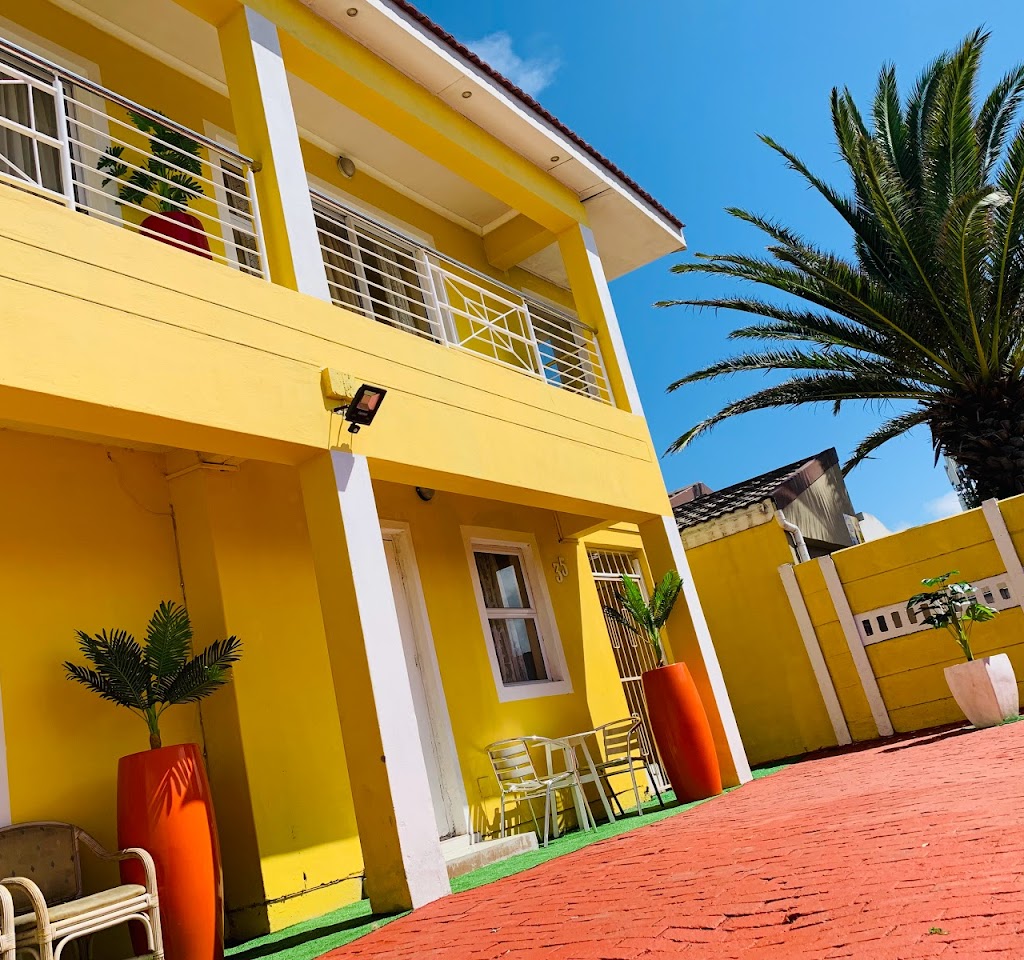
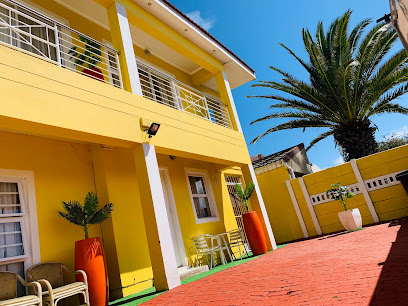
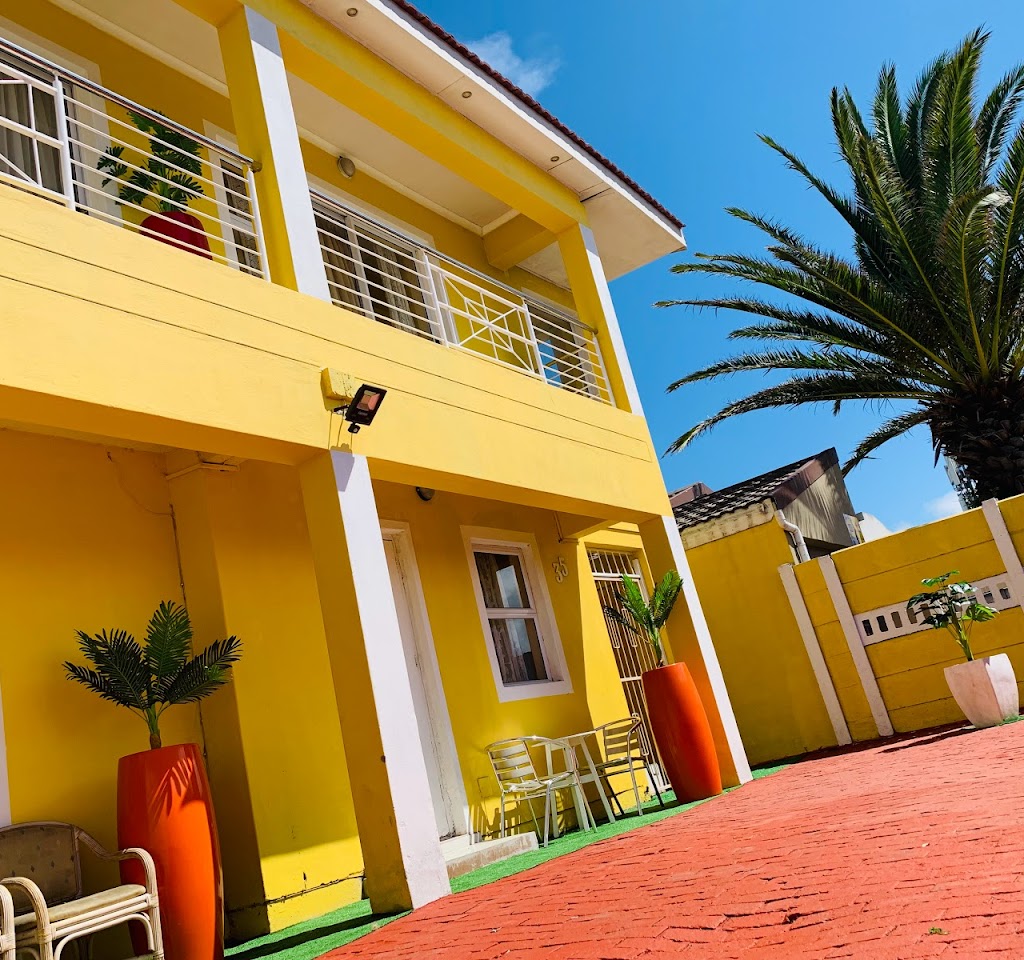
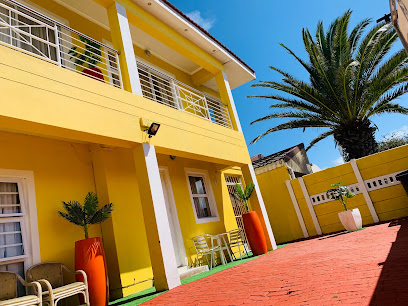
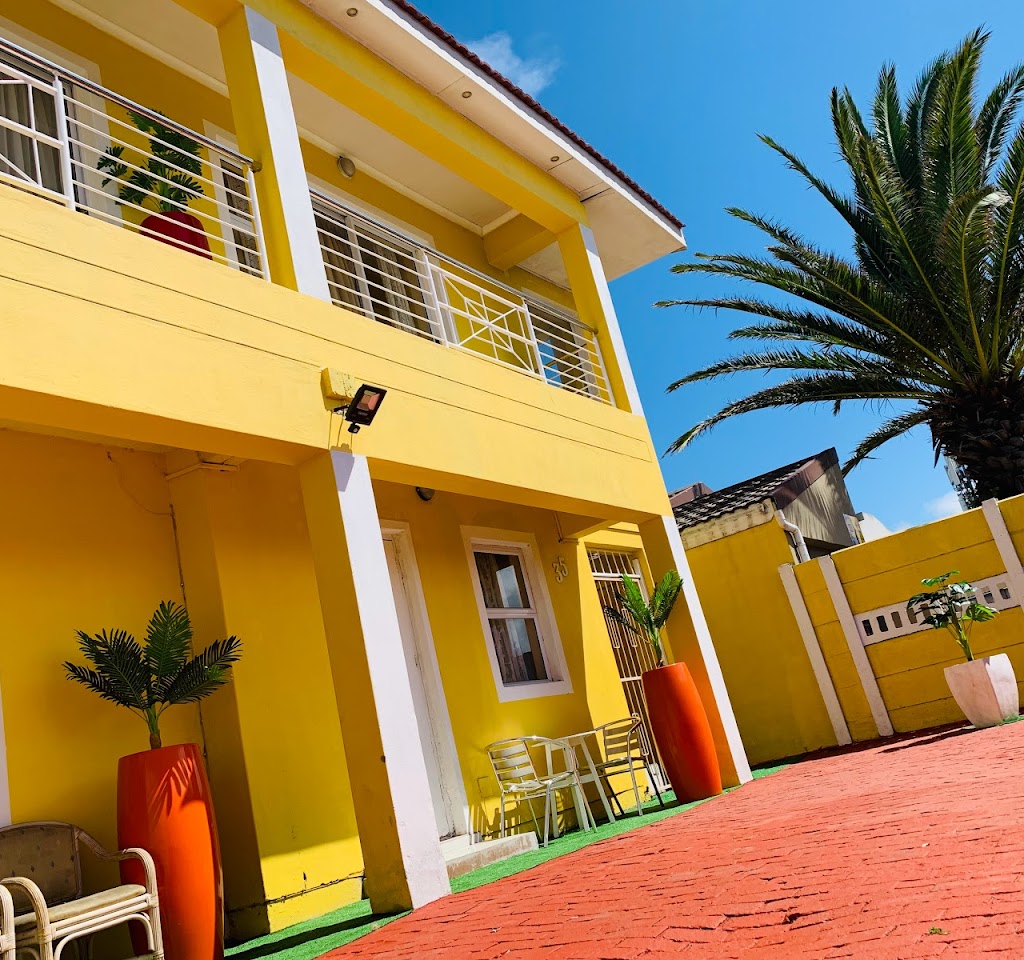
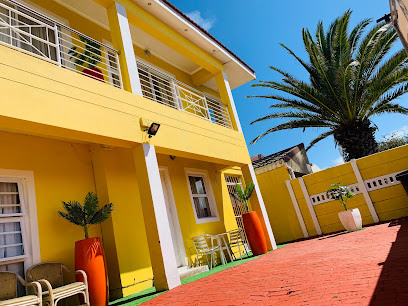
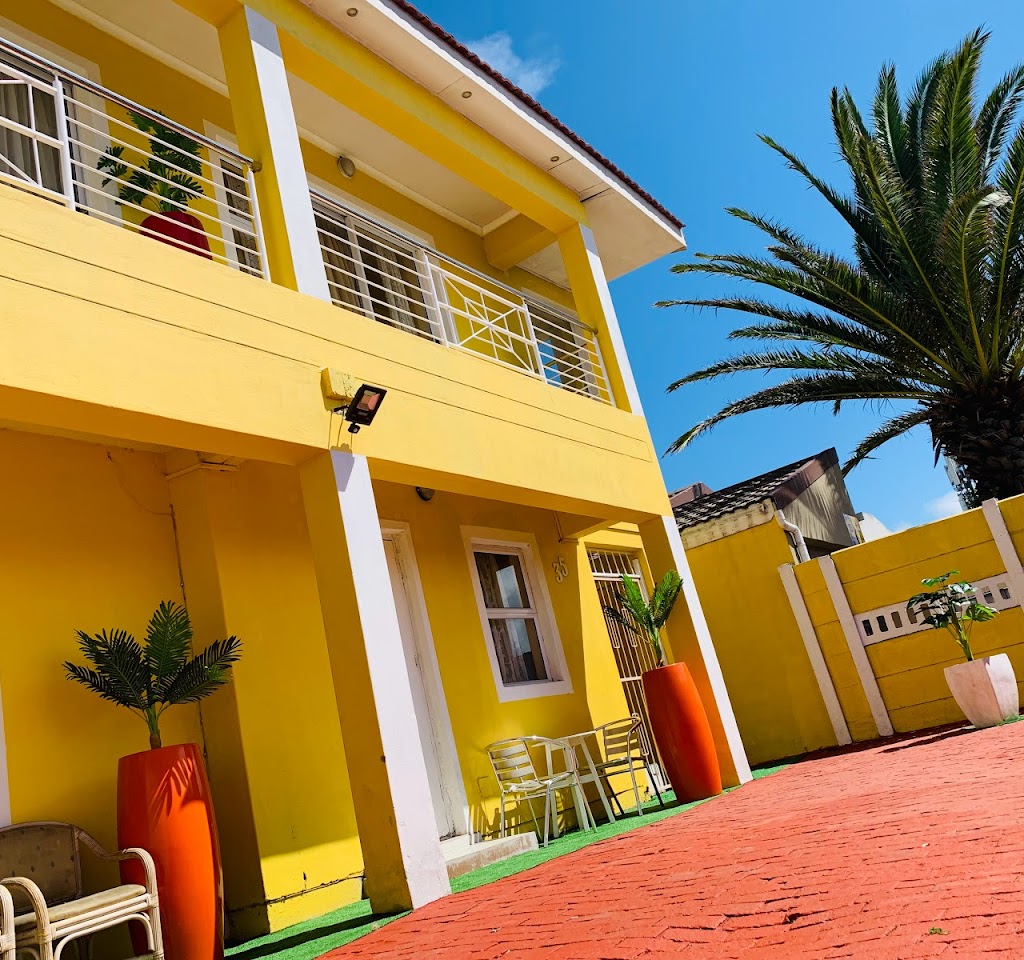
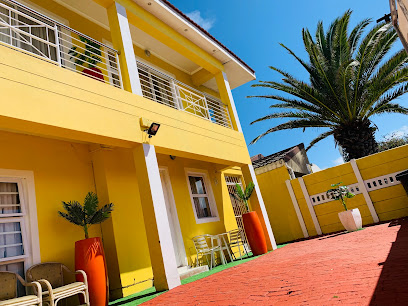
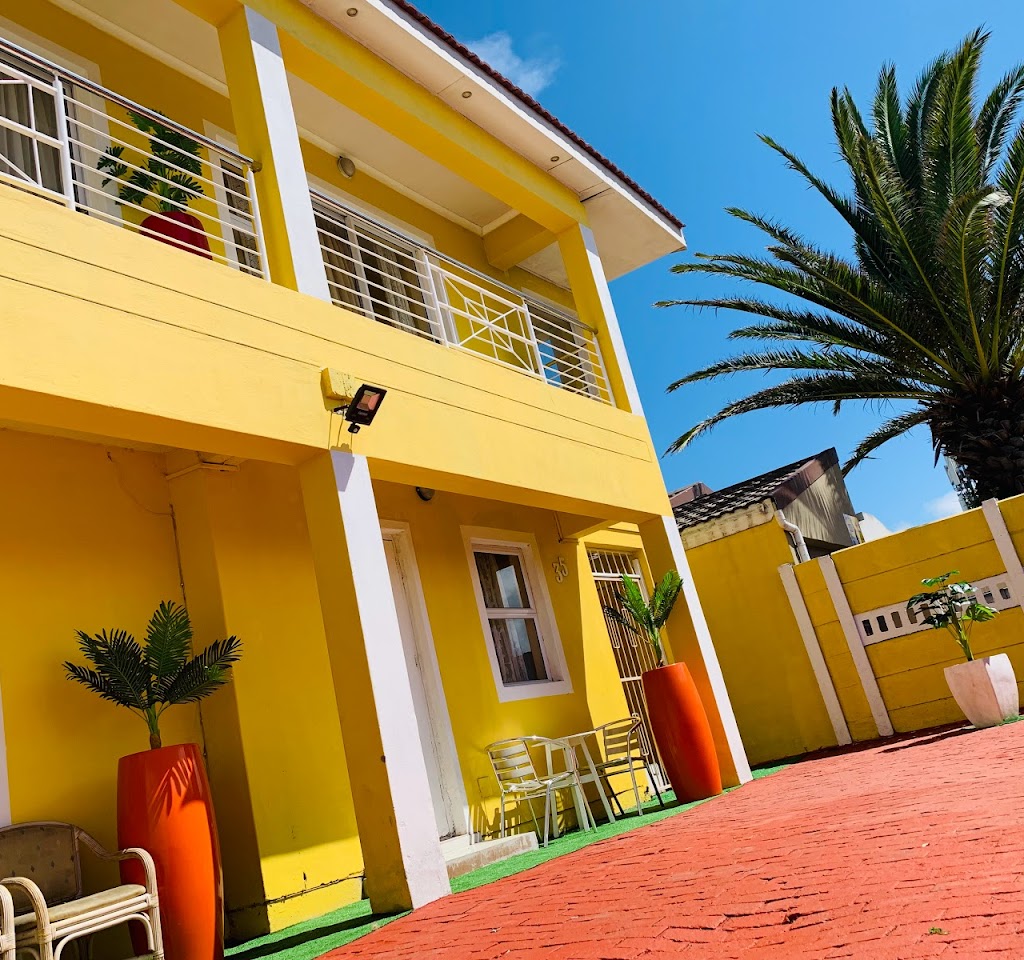
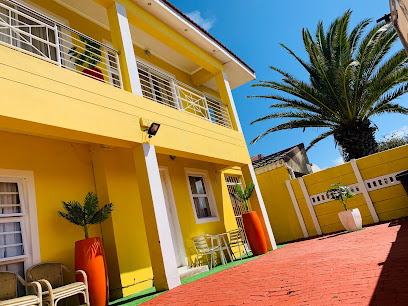
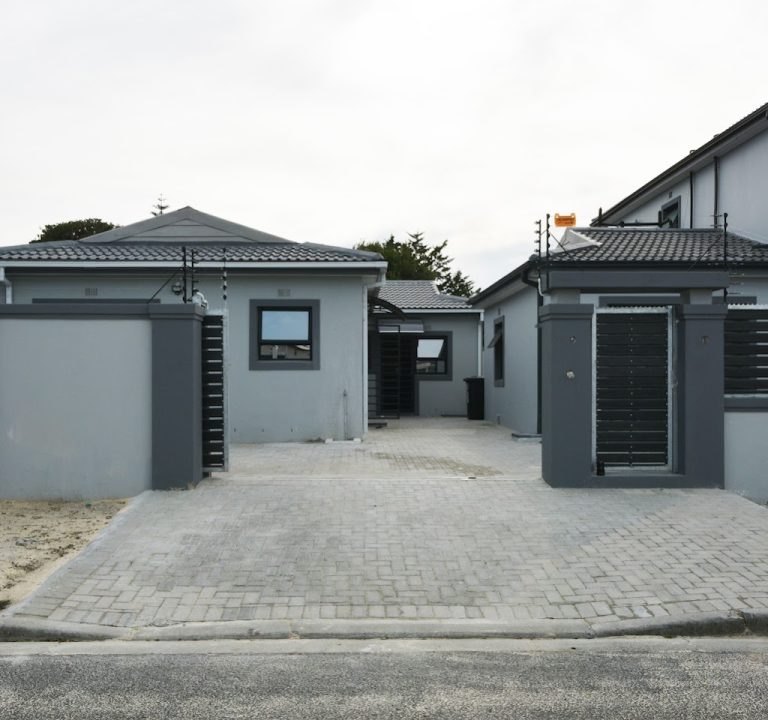
Accommodation options range from boutique guest houses and guest rooms to small hotels and self-catering lodges. In a guest house such as 7 On Bakers, you’ll often find a homely atmosphere with personalised service, comfortable rooms, and typically inclusive breakfast. When choosing where to stay, consider the following:
- Proximity to sights you plan to visit and availability of convenient transport links.
- Views and natural light, particularly if you want a bright morning start or easy balcony access for sunset moments.
- Cooking facilities or breakfast inclusion, depending on whether you favour self-catering or a hosted morning meal.
- On-site facilities such as reliable Wi‑Fi, secure parking, air conditioning, and a guest lounge to relax after a day out.
- Flexibility of check-in/out times and clear policies on cancellation, particularly during peak travel seasons.
Typical amenities you can expect include comfortable en-suite or dedicated bathrooms, quality bedding, complimentary beverages, and thoughtful touches such as local maps and travel advice. Some properties offer pool access, garden spaces, or rooftop terraces with views of the Atlantic coastline or Table Mountain. When booking, read recent reviews to gauge consistency in service, cleanliness and responsiveness. If you’re booking a property linked to a business, like a guest house with a restaurant or a curated local experience, explore how guests have found the balance between relaxation and value-added activity.
Transport is convenient but varies by neighbourhood. In central areas, you can walk to many attractions, with bike-friendly paths and well-lit streets. For longer hops, Uber or local ride-hailing apps are common and generally reliable. The MyCiti bus network and metered services cover most tourist zones, while car hire offers the greatest flexibility for day trips along the coast or to the Cape winelands. If you’re planning a day trip to the Cape Peninsula, permit time for scenic stops and a return in daylight to enjoy the coastline safely. While driving, be mindful of peak traffic hours and restricted parking zones in central districts.
Best time to visit Cape Town depends on your priorities. Spring (September to November) and autumn (March to May) bring mild temperatures, blooming flowers, and fewer crowds. Summer (December to February) is peak season, with longer days and lively outdoor events, but visitation can be busier and accommodation prices higher. Winter (June to August) brings cooler weather and occasional windy days; it remains a good time to explore museums, galleries and indoor venues with fewer queues.
Attractions in general terms span natural wonders, historic sites, and vibrant neighbourhood experiences. You can expect dramatic views from elevated viewpoints and cable car access to Table Mountain, scenic drives along the Atlantic coast, and walks through cultivated gardens or nature reserves. Coastal promenades invite strolls at sunset, while harbour-front areas often host markets, eateries and craft stalls. For a broader taste of the city, consider a balanced mix of viewpoints, museums, and a restaurant or two that reflects Cape Town’s diverse culinary scene.
Dining in Cape Town is equally diverse. In addition to seafood and grilled meats, you’ll find styles ranging from modern European to African-inspired and fusion cuisines, often with a focus on fresh, seasonal ingredients. In most districts, you’ll discover options for casual breakfasts, light lunches, and thoughtfully plated dinners. When choosing where to eat, consider neighbourhoods with easy access from your accommodation to minimise late travel. It’s also common to encounter wine-friendly menus in many areas, reflecting the nearby wine regions and their renowned South African producers.
Practical tips for planning your stay:
- Book early for peak periods such as school holidays and major public holidays, especially if you want a specific neighbourhood or a guest house with a guaranteed breakfast option.
- Confirm what is included in your rate (breakfast, parking, Wi‑Fi) and what the extra charges may be for amenities such as late check-in or airport transfers.
- Aim to balance a light itinerary with space for spontaneous discoveries at markets or cafés.
- Pack flexible layers for changing weather, sun protection for day trips, and sturdy footwear for uneven pathways or coastal walks.
- Respect local safety guidelines and follow guesthouse advice on valuables and secure storage.
For a well-rounded stay, consider pairing your accommodation with a couple of guided experiences, such as a scenic city walk, a food and wine tasting, or a coastal excursion. Cape Town rewards curious travellers with its striking landscapes, welcoming hospitality, and a rhythm that blends outdoor adventure with sophisticated comfort. For a taste of a genuine Cape Town stay, explore options like 7 On Bakers—an inviting guest house that aims to offer comfort alongside local insights. See more at 7 On Bakers.