Johannesburg: where to stay, what to see, and how to plan a practical visit
Johannesburg, often called Jo’burg or Jozi, is a dynamic hub of culture, history, and contemporary convenience. When planning a stay, consider the different neighbourhoods each offering a distinct flavour: leafy, well-served suburbs with easy access to business districts, galleries and cafés; and vibrant urban precincts that pulse with nightlife, street art and markets. A well-chosen base can make a big difference to your comfort and pace, whether you’re visiting for business, a city break, or a mix of both.
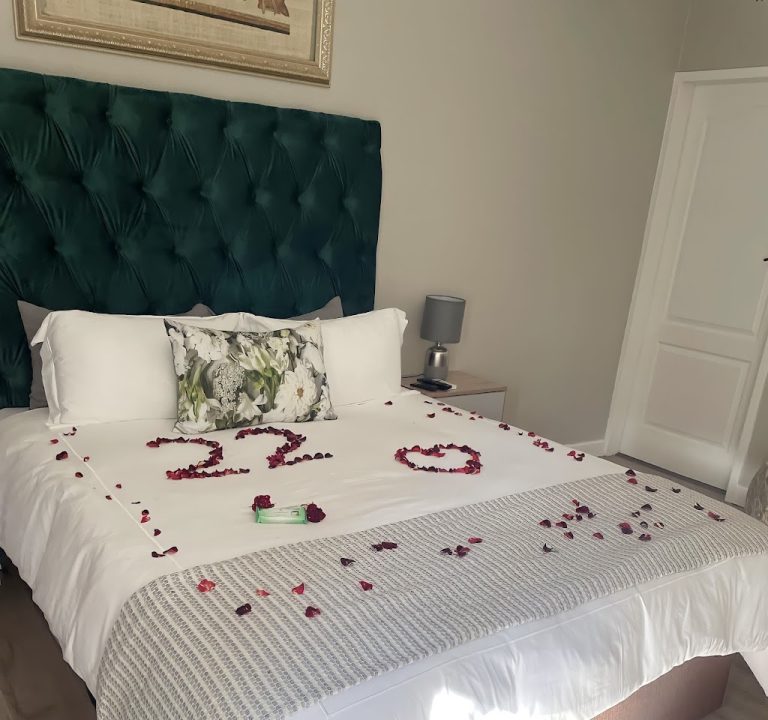
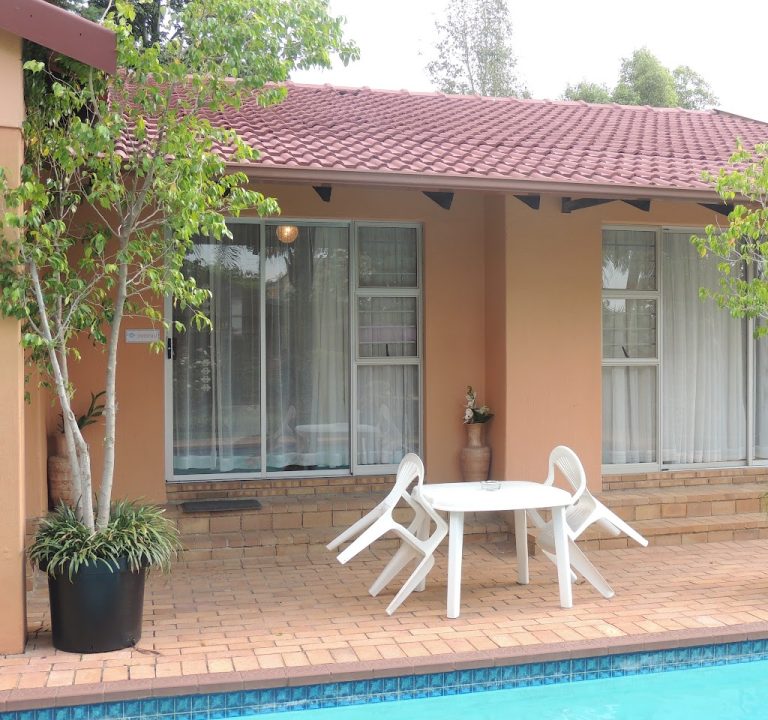
Accommodation options range from intimate bed and breakfasts to stylish boutique hotels and guesthouses. In particular, an establishment such as a comfortably run B&B can provide a warm, personalised welcome, with breakfast service and thoughtful touches that help you settle in quickly. When selecting a place to stay, look for clear details on the following: room size and layout, en-suite facilities, security measures, parking availability, Wi‑Fi reliability, and whether breakfast is included. It’s also worth noting proximity to your planned activities and transport links, as Johannesburg’s layout can be spread out and traffic can vary with the time of day.
Neighbourhoods to consider include:
- Rosebank and the northern suburbs for easy access to parks, shopping centres, and reliable transport links, including rail services and ride-hailing options.
- Braamfontein and Maboneng for a creative, walkable centre with galleries, street food, and a range of dining options.
- Sandton, a short drive from major corporate hubs, museums, and high-end retail, ideal for longer business trips or those seeking a more polished base.
- Newtown and the surrounds for theatre, markets and a historically rich street scene.
Booking tips help you balance comfort, value and convenience. Compare what is included in the rate (breakfast, parking, airport transfers, late checkout, or access to facilities such as a pool or gym). Check the cancellation policy and whether the property offers flexibility during your travel window. If possible, read recent guest reviews focusing on cleanliness, response times from hosts, and the accuracy of listings compared with reality. A well-rated B&B or guesthouse often provides local insights — from safe, pleasant routes for evening strolls to reliable dining recommendations.
Typical amenities in Johannesburg accommodation include free Wi‑Fi, air conditioning or heating, comfortable bedding, tea and coffee making facilities, and secure access. A private bathroom is common in smaller guesthouses, while some options offer shared facilities with clear cleaning protocols. Breakfast is frequently a highlight, with options ranging from continental to cooked-to-order offerings. Ample on-site parking, in-room workspace, and good lighting can make a significant difference for longer stays or work trips.
Transport in Johannesburg is practical but must be planned. The city has a range of options, from reliable rail services and commuter lines to ride-hailing apps and well-signed taxi services. If your accommodation is close to a Gautrain station or a major bus corridor, you’ll find travel across the city smoother. For day trips beyond the city centre, consider hiring a car or arranging guided tours so you can explore beyond the core precincts at a comfortable pace. When walking in central areas, choose well-lit routes and follow host recommendations for your safety.
The best time to visit Johannesburg is during the pleasant, mild winter and spring months, typically from late spring to early autumn in the southern hemisphere. Winter evenings can be cool, so pack a warm layer, while summer brings afternoon thunderstorms and lush city parks. If you plan outdoor activities or visits to nature reserves, check the local climate and any seasonal closures in advance. The city’s cultural calendar features markets, galleries, and music events throughout the year, so aligning your stay with an event can enrich your experience.
Practical tips for a smooth stay:
- Keep a photocopy or digital version of important documents and stay aware of your surroundings, especially when exploring busy urban areas after dark.
- Carry a small amount of local currency for markets, snacks, or tips, and use reputable payment methods for larger purchases.
- Arrange airport transfers through your accommodation or a trusted transport option to simplify arrival and departure.
- Plan a few “must see” experiences but leave room for spontaneous discoveries, such as markets, cafés, and street art tours in boutique districts.
- Check the property’s policies on early arrival, late checkout, and luggage storage if you have a long connection or a late departure.
When it comes to attractions, Johannesburg offers a broad spectrum without requiring long travel times to enjoy. Museums and galleries provide insights into the city’s layered history and contemporary culture, while public parks and historic precincts offer pleasant spaces to relax. Dining options are diverse, reflecting the city’s multicultural influences, with many venues focusing on fresh, seasonal ingredients and modern twists on local favourites. For visitors who enjoy exploration on foot or by short transit rides, a balanced itinerary that mixes indoor experiences with outdoor time tends to work well.
For ideas on where to start, visit official tourism resources or local visitor information pages before travelling. They can help you plan day trips to nearby natural areas, additional exhibitions, or culinary routes that suit your interests. A well-chosen stay in Johannesburg, with thoughtful planning around neighbourhoods, transport, and amenities, can make the difference between a rushed itinerary and a relaxed, immersive city experience. If you’re considering a friendly, comfortable base with attentive hosts, a B&B like 340 On West could offer a warm starting point for your Jo’burg adventure. For further inspiration and practical planning, explore credible travel guides and online resources linked to official tourism sites.