Lephalale: where to stay, what to see, and how to plan a comfortable visit
Lephalale, tucked in the northern reaches of Limpopo, offers a mix of rugged natural beauty, wildlife, and gateway access to the great plains of South Africa. When planning a stay, guests typically choose between self-catering lodges, guesthouses, and understated hotels that suit a range of itineraries. The town sits within reach of water-rich reserves and is a sensible base for exploring the surrounding veld, as well as enjoying the nearby waterways during wetter months. A well-planned visit often centres on a few core areas and practical travel arrangements, allowing time to relax and genuinely soak up the landscape.
Areas to consider for accommodation include central Lephalale for easy access to shops and dining, and the surrounding rural routes where guesthouses and self-catering options tend to offer more space and a stronger sense of place. If you are travelling with family or a small group, self-catering units—such as cottages or chalets with kitchen facilities—can be especially convenient. For quieter stays, look for properties set a little off the main routes, where you can enjoy a bushy backdrop and a slower pace after day trips.
Typical amenities to look for when booking include reliable air conditioning or ceiling fans, essential in warm seasons, and a private or shared outdoor area for al fresco dining. Kitchen facilities in self-catering properties are a big plus, along with straightforward access to laundry facilities and secure parking. Some lodges and guesthouses offer rangeland or garden gazebos, braai (barbecue) areas, and comfortable communal spaces for relaxing after a day on the road. Wi‑Fi varies by property, so if connectivity is important, verify it before booking. Proximity to gravel roads or tarred routes is also worth checking, especially if you plan to explore more remote areas by car.
Transport in and around Lephalale tends to revolve around private vehicles, with car rental offering the most convenient way to reach game reserves, beaches along the nearby dams, and supermarkets. For those not driving, it is worth confirming how far a property is from central Lephalale town, whether there is a reliable taxi option, and how easy it is to arrange guided activities. If your stay is primarily about nature and wildlife, a rental vehicle can simplify day trips and make stops at viewpoints or reserve gates easier to manage.
The best time to visit Lephalale depends on your priorities. The dry season from May to September tends to be cooler and more comfortable for outdoor activities, with wildlife easier to spot in open scrub and grasslands. The wet season brings lush scenery and river activity, but that period can bring higher humidity and heavier afternoon showers. Birdwatching, animal viewing, and stargazing are rewarding year-round, with different perspectives depending on the season. If you are seeking water-based outings, align your plans with dam water levels and weather patterns to avoid travel disruptions in peak rains.
When planning activities, consider a balanced itinerary that includes both heartland experiences and lighter, restorative moments. Possible highlights include guided nature walks, short drives to viewpoints or dams, and relaxed meals at visitor-friendly cafés or bistros that emphasise local produce. For those with a keen interest in South African landscapes, the surrounding countryside can offer memorable vantage points, especially at sunrise or sunset. Always check local conditions and seasonal accessibility for outdoor activities, and secure any permits required for protected areas in advance through official channels when appropriate.
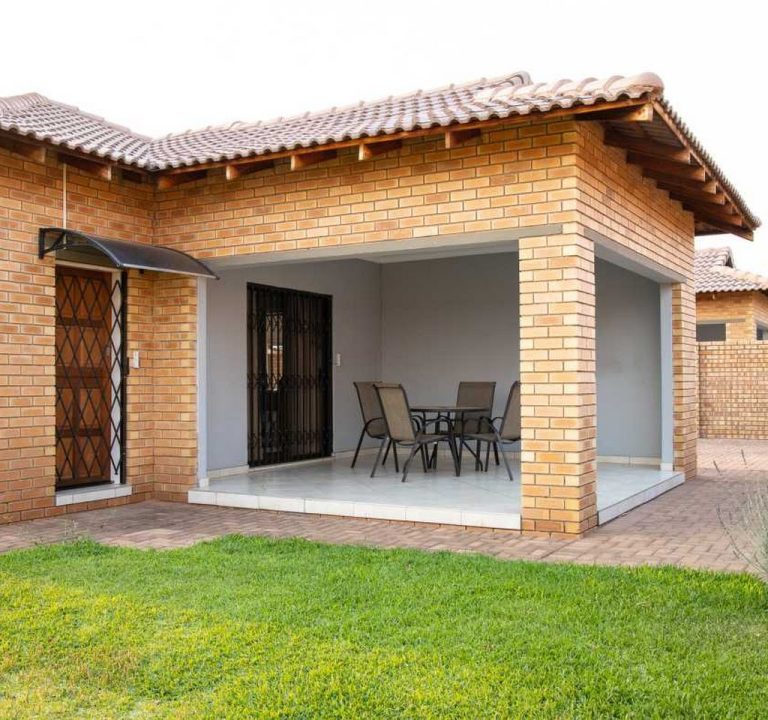
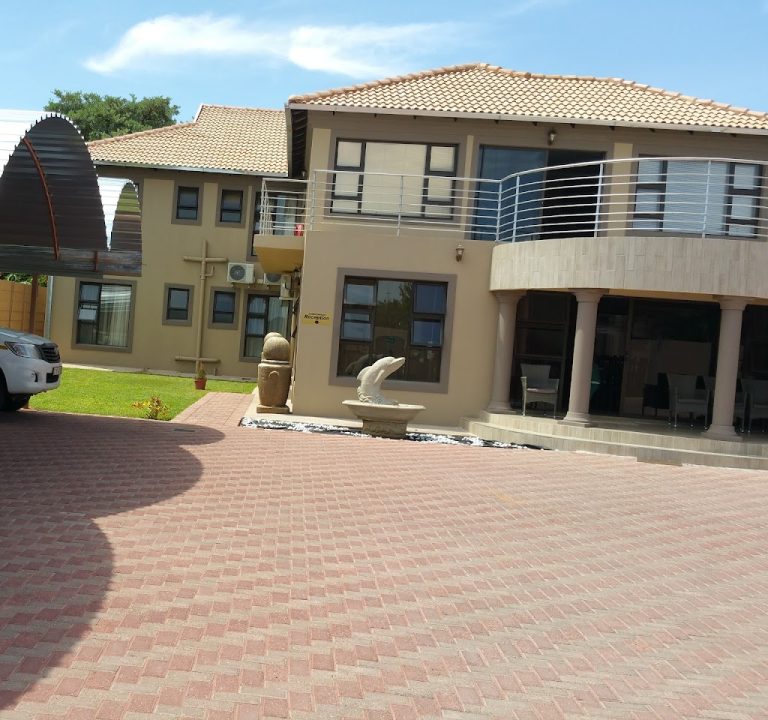
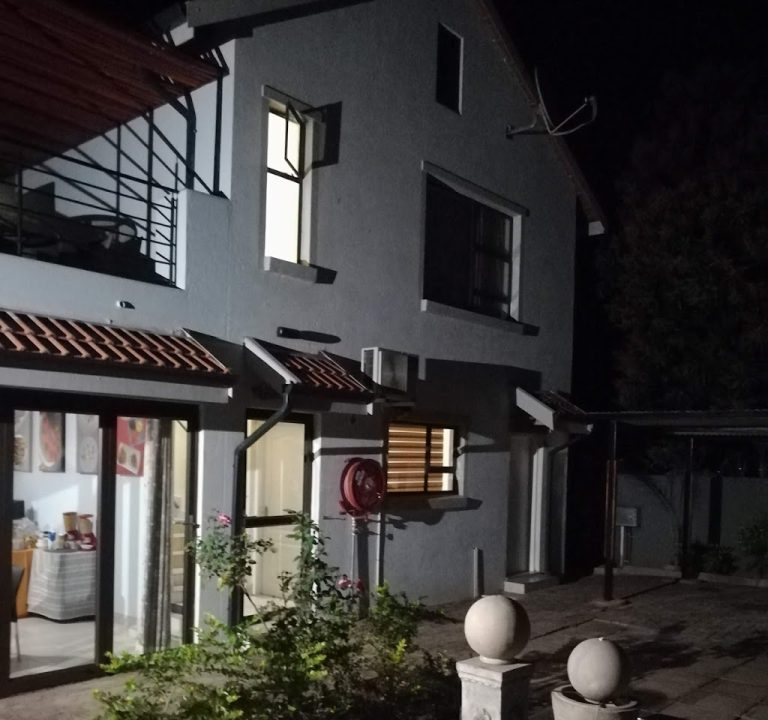
Accommodation options in Lephalale range from intimate guesthouses to self-catering retreats. A self-contained option such as 165@Troupant Accommodation offers the flexibility to cook for yourself and enjoy a private space after day trips. Whether you choose a cosy room with the basics or a fully equipped unit with a private veranda, most properties aim to combine comfort with a close-to-nature ambience. When selecting a place to stay, consider the following practical factors:
- Location relative to planned activities and access to major roads
- Availability of private parking and vehicle security
- Air conditioning or cooling systems for hot periods
- Kitchen facilities and laundry options for longer stays
- Online presence, guest reviews, and clear cancellation terms
Eating out in Lephalale offers a relaxed, unfussy pace. Restaurants and eateries tend to focus on hearty, comforting dishes that suit day-long explorations and evenings indoors after sunset. When choosing where to dine, look for venues that emphasise fresh ingredients, local flavours, and simple, friendly service. If you are staying in a self-catering setup, many properties also provide barbecue facilities or outdoor dining spaces where you can enjoy a meal under the stars after a day of adventures.
Practical tips for a smooth stay in Lephalale
- Book accommodation with clear cancellation policies and transparent inclusions, especially for self-catering stays where the amount and condition of appliances can influence your experience. - Confirm access times for key collection and any on-site staff support for a seamless arrival. - Pack lightweight, breathable clothing for daytime heat and a light wrap or fleece for cooler evenings. - Bring a reusable water bottle, as tap water quality can vary by property; many places provide filtered water onsite. - Check gate timings and reserve any guided walks or tours in advance to avoid missing openings during peak times. - Ensure you have appropriate maps or offline navigation, as mobile reception can be variable in more remote stretches.
Lephalale serves as a gateway to the broader Limpopo experience, balancing comfortable stays with opportunities to explore nature, culture, and the South African countryside. With careful planning—choosing the right area, confirming essential amenities, and scheduling activities in advance—you can enjoy a relaxed, well-rounded visit that makes the most of the province’s open spaces and warm hospitality. For further information and inspiration, you can explore the official property pages and local tourism resources that showcase a range of stays and experiences aligned with your travel style.