Accommodation and Experiences in Lephalale, Limpopo
Lephalale, in Limpopo, offers a straightforward mix of lodges, guesthouses and small hotels that suit travellers seeking a quiet base close to nature and regional attractions. The town and surrounding countryside characteristically combine easy access to savannah, watercourses and nature reserves with practical convenience, making it a practical doorway to northern South Africa’s wild landscapes. When planning a stay, guests should consider where they wish to base themselves—whether in the town centre for convenience, near waterways for scenery, or closer to reserves for quicker wildlife excursions.
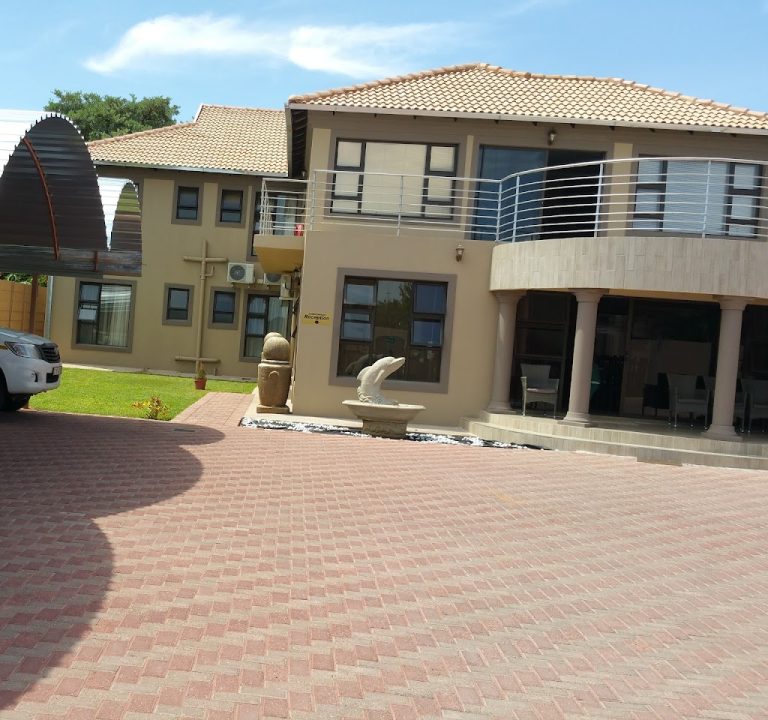
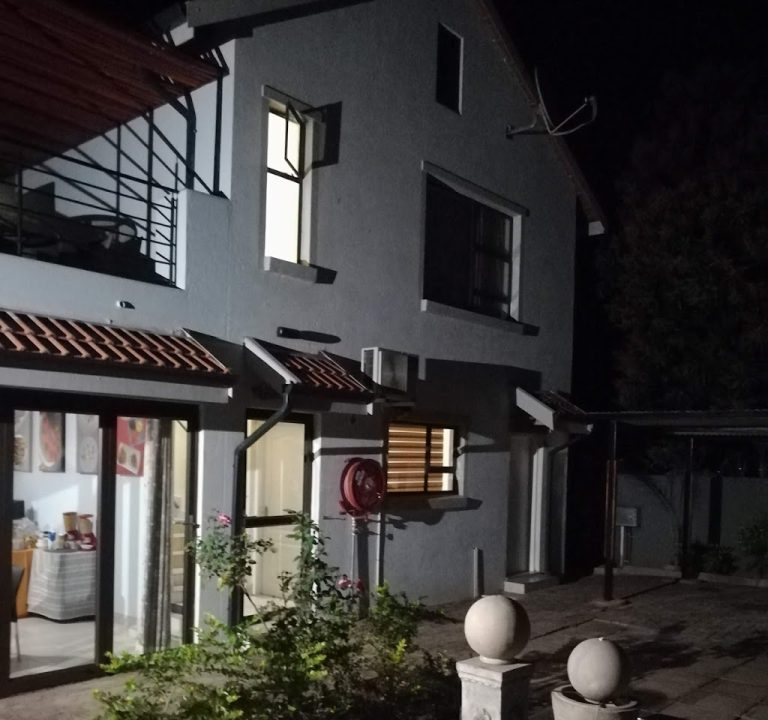
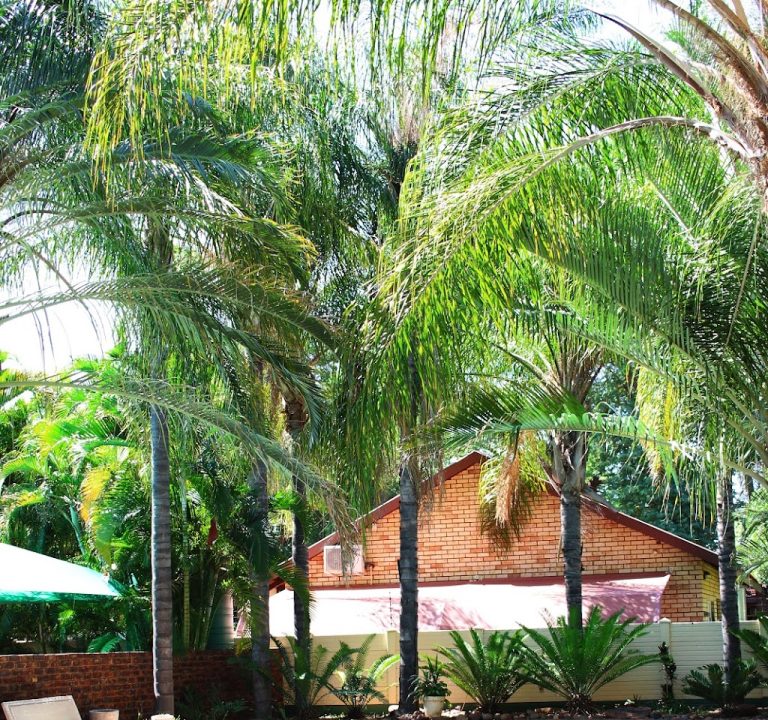
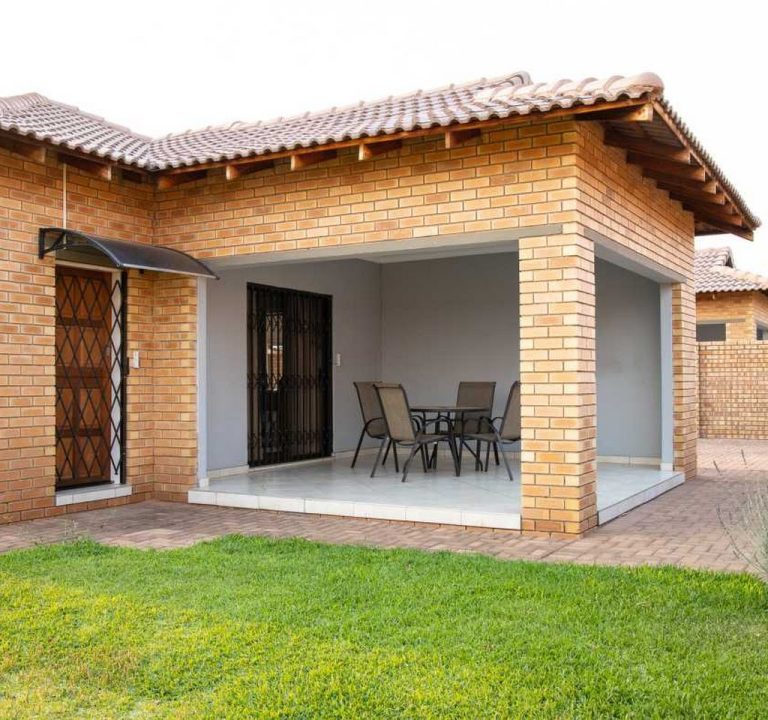
For accommodation, Lephalale’s options range from intimate guesthouses to larger hotels, including several properties with on-site dining, secure parking, and friendly staff who can assist with local recommendations. Tau’s Guesthouse is one example of a guesthouse-style stay in the area, offering a straightforward, comfortable base with easy access to local roads and services. Visitors can check the property’s website for practical details about rooms, facilities and any on-site dining arrangements. Booking a stay often benefits from per-night rates that reflect seasonality and length of stay, with cancellations and policies varying by property.
Key areas to consider when choosing where to stay include:
- Proximity to Lephalale town centre for shops, gas stations and easy access to transport hubs
- Access to nature reserves or rivers for scenic views and day trips
- Quiet residential zones for a restful night’s sleep
- Proximity to dining options, markets and local eateries that showcase regional flavours
Typical amenities to look for when booking in Lephalale include en-suite rooms or private bathrooms, air conditioning or fans for warmer nights, reliable hot water, and adequate storage for luggage and outdoor gear. Free parking, reliable Wi‑Fi, and on-site security features can make a stay more convenient, especially for travellers who plan long days outdoors. Some properties offer breakfast packages or full-board options, while others may provide a kitchenette or communal dining space for guests who prefer to prepare meals. If you are travelling with family or a group, check room configurations (twin rooms, interconnecting rooms, or self-contained units) to maximise comfort and value.
Transport and access are practical considerations in Lephalale. The area is best explored with a hired vehicle or organised tours, as attractions are spread out and public transport can be limited outside major towns. Many guesthouses and hotels offer easy parking and can arrange drivers or guided trips to nearby sites. If you plan to self-drive, map out your routes in advance and keep a copy of directions handy, as signage may be less extensive than in more metropolitan destinations.
The best time to visit Lephalale depends on what you want from your trip. The region enjoys a warm climate, with drier winter months and hotter summers. Wildlife viewing tends to be productive in the cooler, drier seasons when animals gather around water sources. If you prefer woodland and birdlife, plan for spring or autumn when temperatures are comfortable for long outdoor days. Consider the rainy season as well, since showers can be dramatic but short, typically bringing relief from heat and contributing to lush landscapes.
Planning practicalities can make a significant difference to your stay. Bring sun protection, comfortable walking shoes for short trails or nature walks, and a light jacket for cooler evenings. When dining out, you may encounter a straightforward menu featuring local meats, grains and seasonal produce; many establishments will offer traditional South African flavours alongside international options. It is wise to confirm meal arrangements with your accommodation in advance if you rely on breakfast or dinner on-site, as some properties operate on a light‑dining or full-board basis.
Attractions and experiences in and around Lephalale tend to emphasize nature, scenery and rural South African life. Visitors can expect opportunities to enjoy scenic viewpoints, wildlife sightings in nearby reserves or conservancies, and peaceful river or park areas ideal for picnics and short walks. For those who enjoy culture and cuisine, local eateries and informal markets provide a taste of regional life, with dishes and ingredients reflecting the Limpopo heartland. Be prepared to adapt plans day by day, as weather and road conditions can influence accessibility to more distant sights.
To help you organise your itinerary, here are a few practical steps:
- Set a base: choose accommodation in a location that minimises daily driving to your preferred activities.
- Plan day trips: identify a couple of key nature or scenic objectives and build flexible routes around them.
- Confirm what’s included: check if breakfast or meals are provided, and whether there are optional guided tours or vehicle hire available.
- Prepare for outdoor days: carry water, sunscreen, insect repellent and a hat; pack a light rain layer if rain is possible.
- Check transport options: assess whether you require a private vehicle, a tour, or a shuttle service for longer day trips.
When it comes to choosing where to stay and how to fill your days, Lephalale rewards travellers with straightforward, unhurried experiences. Whether you opt for a cosy guesthouse like Tau’s Guesthouse, a mid-range hotel, or a rustic lodge, you’ll have a comfortable base from which to explore the region’s landscapes, enjoy relaxed meals and discover the pace of life in this part of Limpopo. For more information and to plan your stay, you can visit Tau’s Guesthouse website at the property page linked above.