Accommodation and Experiences in Lephalale, Limpopo: Where to Stay and What to Do
Lephalale in Limpopo is a traveler's gateway to vast plains, wildlife encounters and a mix of rural charm with modern comforts. Whether you prefer a cosy guesthouse, a polished hotel, or a lodge with easy access to the Waterberg’s open spaces, the town and its surrounds offer convenient bases for exploring the region. Planning a stay here means weighing location, amenities and transport options to suit your itinerary, budget and pace.
Areas to consider when choosing where to stay
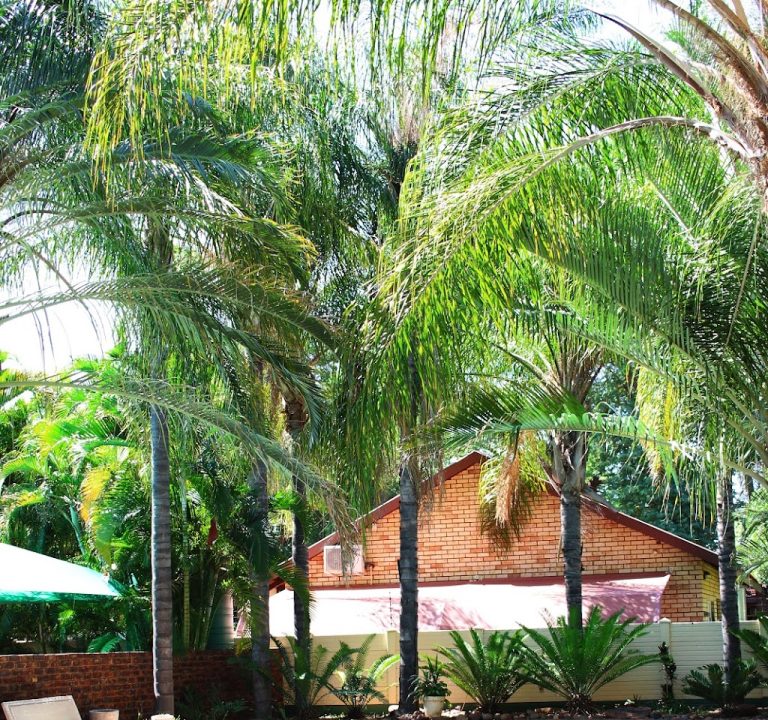
The central town area of Lephalale provides convenient access to shops, markets and restaurants, making it a practical base for a short break or a longer visit. If your priorities are closer to nature, look for lodges or guesthouses on the outskirts where wildlife-viewing opportunities are easier, and where many properties offer guided activities. For a quieter atmosphere, rural routes near the Mogol River or near game reserves can provide a more secluded stay with mornings or evenings spent in open air on a verandah or deck.
What to look for when booking and typical amenities
- Room configuration and privacy: check whether rooms are en-suite, and whether there are family-friendly options or shared spaces for groups.
- Self-c catering or dining options: many properties offer either full board, breakfast only, or the flexibility of self-catering facilities in addition to restaurant service on site.
- Outdoor spaces and views: verandahs, courtyards or quiet gardens can enhance downtime between outings and game drives.
- Wi‑Fi and work spaces: if you need to stay connected, verify the reliability and speed of internet access.
- Access to guides and activities: some venues organise guided game drives, birdwatching walks, fishing or cultural visits to nearby communities.
- Safety and accessibility: confirm secure parking, vehicle access, and whether the property can accommodate your pace and mobility needs.
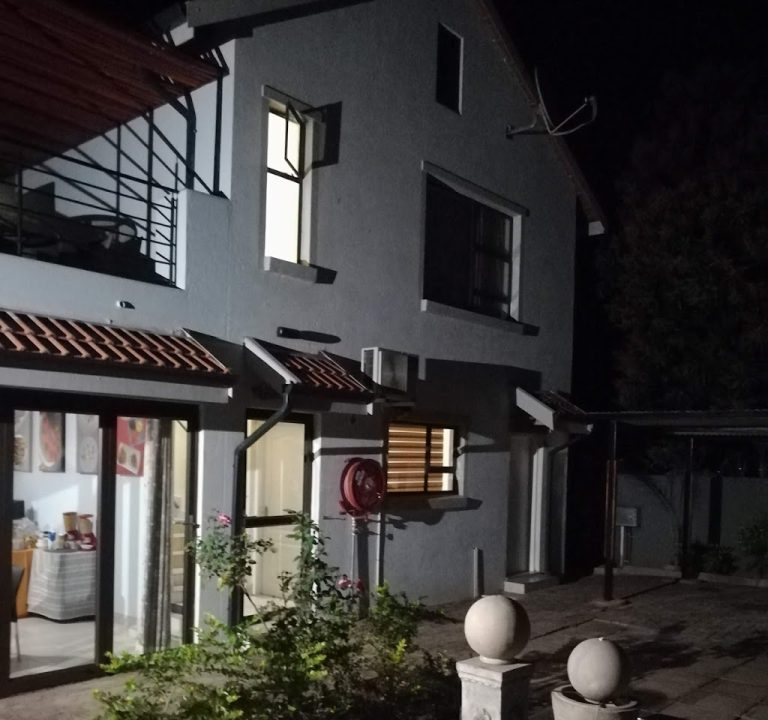
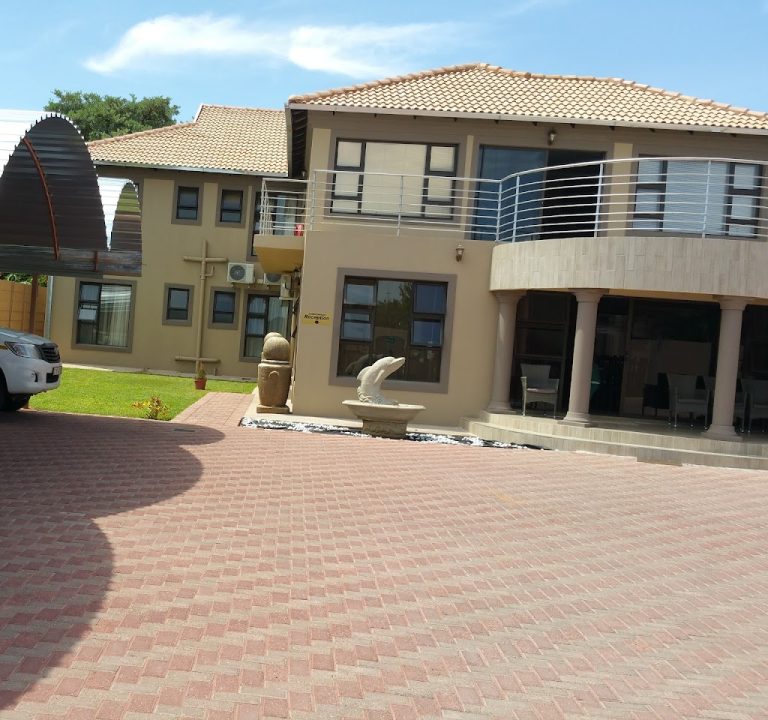
Typical amenities you may encounter include air conditioning or fans, generous parking, swimming pools or shaded courtyards, and often on-site dining that features local ingredients. In more remote lodges, expect a strong emphasis on tranquillity, with meals timed to sunrise or sunset drives, and optional sunset verandah sessions that showcase starlit skies. For families, child-friendly spaces and flexible meal times can be advantageous, while solo travellers might prioritise hosts who can arrange transfers or guided experiences.
Transport, tips for getting around and best time to visit
Lephalale is best explored by car, giving you the flexibility to move between accommodation, natural areas and dining options at your own pace. If you are flying in, the nearest major routes connect to major hubs in Gauteng and Limpopo, with road transfers or car hire recommended for the journey to Lephalale. Some lodges provide shuttle services to nearby activities, but independent exploring gives you the most freedom during your stay.
The best time to visit Lephalale is typically in the dry winter months when wildlife viewing can be more straightforward and the weather is comfortable for long days spent outdoors. The shoulder seasons—autumn and spring—offer mild temperatures and quieter venues, which can be ideal for guests seeking a more relaxed pace. If you enjoy river scenery or birdlife, plan visits around the watercourses and seasonal wildlife rhythms, bearing in mind that rainfall can affect drive times and accessibility to some outlying lodges.
Practical planning tips
– Consider your pacing: decide whether you want a busy itinerary with multiple day trips or a relaxed stay focused on a single lodge base with day-by-day excursions.
– Check cancellation policies and weather contingencies: rural properties may have limited capacity to absorb changes, so choose options with clear terms during the planning stage.
– Pack for varied conditions: lightweight clothing for daytimes and a warm layer for chilly evenings are sensible, along with sun protection and insect repellent for outdoor activities.
– Plan for limited data in remote areas: if you rely on mobile data, confirm coverage with your chosen property or prepare a detailed offline plan for directions and activity bookings.
– Seek authentic experiences: many places offer guided walks, cultural visits or community-based experiences that illuminate everyday life in the Lephalale area, from nature drives to traditional crafts markets. When you book such activities, ask about inclusions, durations and any ethical considerations.
Where to look for stays and ideas for booking
Accommodation in Lephalale ranges from mid-range hotels to intimate guesthouses and lodge-style retreats. Your best approach is to search platforms that offer filters for location, bed type, and amenities, then read recent guest reviews to gauge service levels, cleanliness, and the responsiveness of hosts. A well-located property near the town centre can provide quick access to eateries and shops, while a lodge on the edge of a reserve can maximise wildlife time and views. For further inspiration, you can visit the official tourism pages or local booking portals that showcase a range of properties in and around Lephalale, with details about what each offers and how guests typically spend their days in the area.
Whether you’re after a tranquil riverside retreat, a practical base for wildlife adventures, or a comfortable hotel that makes daily planning a breeze, Lephalale offers a range of options to suit different styles and budgets. With careful choice of location, a sensible packing list and a focus on authentic local experiences, your stay in Limpopo can be both restful and enriching.