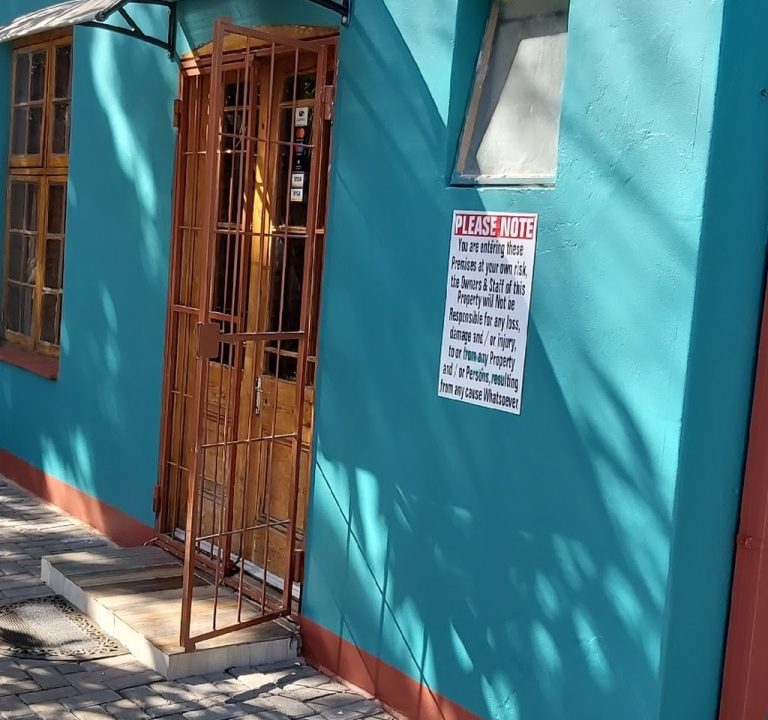
Zwidelakhe B&B and a Traveller’s Guide to Pretoria, Gauteng
Pretoria, the administrative heart of Gauteng, offers a blend of colonial heritage, leafy neighbourhoods and modern city life. When choosing a place to stay in this dynamic city, consider a mix of convenient location, neighbourhood character and practical amenities that suit your itinerary. A well-chosen bed & breakfast or boutique stay can place you within easy reach of the city’s cultural attractions, markets, restaurants and green spaces, while still offering a comfortable base to unwind after a day of exploring.
Accommodation in Pretoria ranges from intimate B&Bs and guesthouses to more contemporary hotels and self-catering options. In central areas, you’ll enjoy quick access to museums, government buildings and major transport links. Suburban pockets characterise many stays that emphasis tranquillity and a more personal touch, with hosts who can offer insider tips for navigating the city. When planning a stay at Zwidelakhe B&B or similar properties, look for guest-focused hospitality, clean and well-equipped rooms, and spaces that feel safe and welcoming after a day of sightseeing.
Typical amenities to expect include comfortable en-suite or shared bathrooms, hot showers with reliable water pressure, free Wi‑Fi, daily housekeeping, and a hearty breakfast to start your day. Many B&Bs in Pretoria go beyond the basics with small lounges, garden spaces, secure parking, and thoughtful touches such as city guides or maps. If you prefer a self-contained option, look for rooms with a private entrance, a compact kitchenette and clear self-check-in instructions for flexibility.
When choosing where to stay, consider the area. The central business district and nearby neighbourhoods are practical for first-time visitors who want easy access to museums, government precincts and dining options. Suburban pockets offer a calmer ambience, often with tree-lined streets, boutique shops and cafés, and a short ride to the zoo and nature reserves. Some hosts arrange guided walks or offer recommendations for safe, scenic routes by day and relaxed dining by night.
Transport is a practical consideration. The Gautrain rail network can be a convenient backbone for longer trips, connecting Pretoria with Johannesburg and other major hubs. Within the city, ridesharing services, taxis and limited bus routes are common; many stays provide guidance on the best local options, estimated travel times, and safe collection points. If you’re renting a car, check on-site parking security and access, as well as the ease of driving in busy urban centres during peak hours.
Best time to visit Pretoria tends to align with its climate. The city enjoys warm summers and cool, dry winters. September to November is spring in the Highveld, when the jacaranda trees bloom and parks become particularly scenic. Autumn (March to May) can be pleasant and less crowded. If you plan to visit outdoor attractions such as botanical gardens or nature reserves, mornings or late afternoons are ideal to avoid peak heat. Winter nights are chilly, so a warm duvet and a cosy lounge area can be very welcome in an accommodation stay.
Activities and attractions in Pretoria lean on culture, history and outdoor spaces. Visitors often explore national and local museums that illuminate the region’s past, and stroll through green spaces and botanical gardens that showcase the city’s horticultural diversity. For a relaxed day, a visitor-friendly market or café-lined precinct can offer tastings and regional snacks without the need to travel far. For those who enjoy a broader view of Gauteng, day trips to nearby towns or wildlife reserves are feasible, with organised tours or self-guided routes available through local tourism information.
Dining in Pretoria is diverse, reflecting a mix of traditional South African flavours, modern bistronomy and international cuisines. In most neighbourhoods you’ll find casual eateries, coffee shops and family-run diners alongside more refined venues. When planning meals, you can look for places that offer breakfast and light lunches as well as evening dining. Many hosts will have recommendations for reliable, friendly spots within a short stroll or ride, which can be particularly helpful if you’re navigating a busy urban area for the first time.
Planning practicalities can make a big difference to your stay. In addition to confirming the basics—beds that feel comfortable, private or shared bathrooms as advertised, reliable Wi‑Fi and clear check-in instructions—consider the accessibility of your accommodation. A quiet room facing away from street noise can improve sleep quality, especially in busy districts. Check for a well-lit, secure entry and a host who can assist with directions, restaurant reservations, or scheduling tips for your particular interests, whether that’s art, history, or nature walks.
Some tips to maximise your visit:
- Book with clear cancellation terms in case plans change, particularly if you’re visiting during peak periods.
- Ask hosts about safe walking routes, recommended cafés, and the best times to visit popular sites to avoid crowds.
- Confirm transport options from the accommodation to key attractions and airports, including any shuttle services or partnerships with local providers.
- Pack comfortable clothing for varied weather and a light jacket for cool evenings in winter.
- Take advantage of on-site hosts’ local knowledge for customised experiences—some may arrange guided walks, gardens visits, or food tastings.
In short, Pretoria offers a hospitable range of stays that can suit a variety of travel styles. Whether you choose a cosy B&B like Zwidelakhe or another guesthouse in a central or leafy neighbourhood, the city rewards curious travellers with its blend of heritage, green spaces and convenient access to the wider Gauteng region. With thoughtful planning, a well-located base can make your Pretoria visit smooth, affordable and enjoyable, leaving you free to uncover the city’s character, markets and moments of quiet reflection in this evolving South African capital.