Accommodating Pretoria: A Traveller’s Guide to Staying, Exploring and Dining
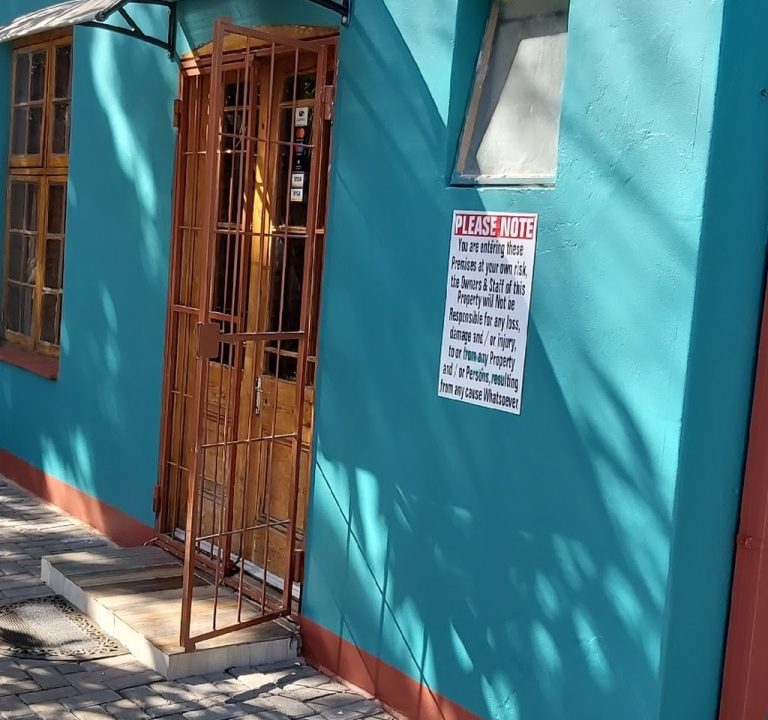
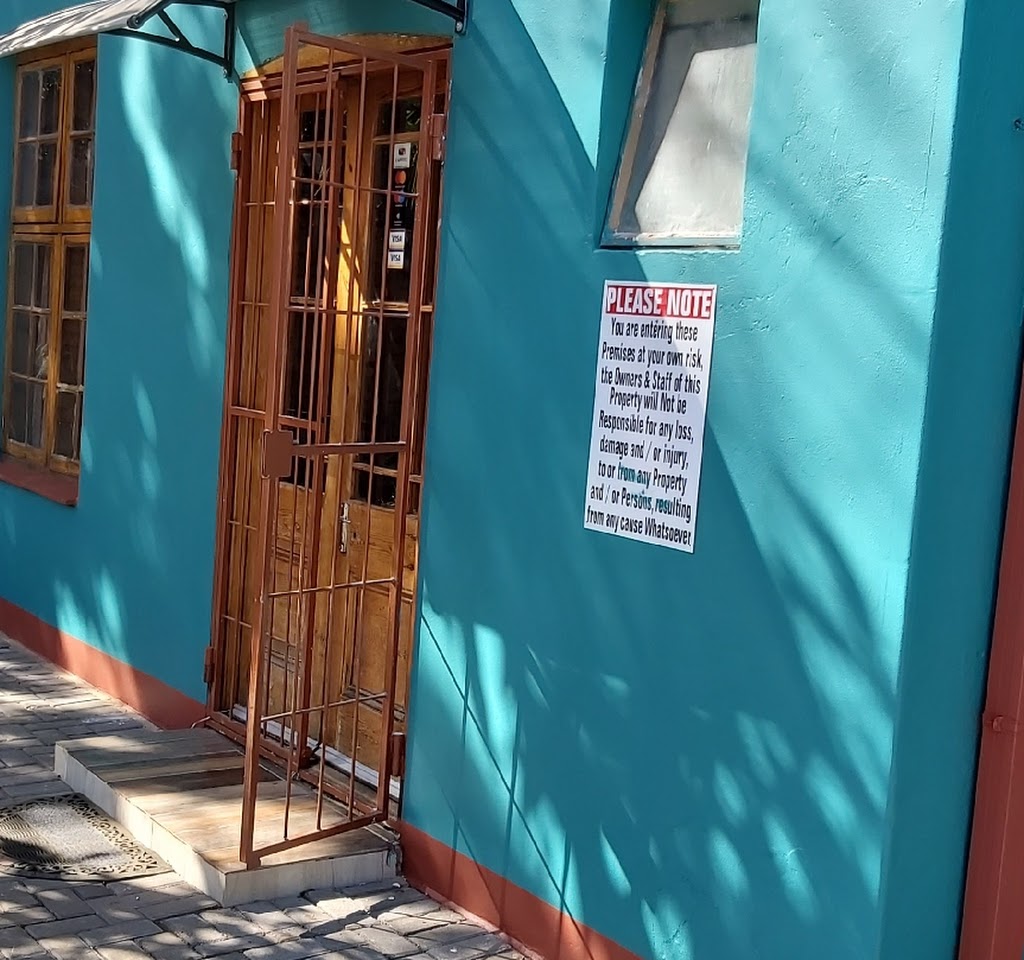
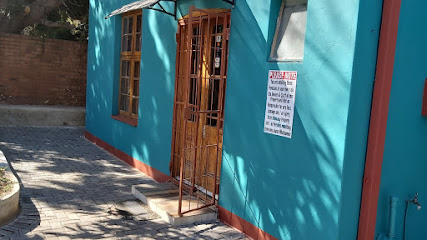
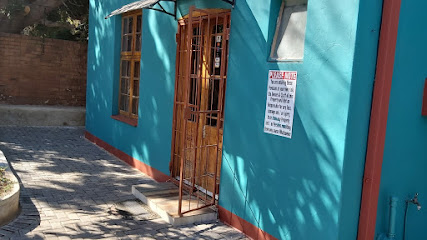
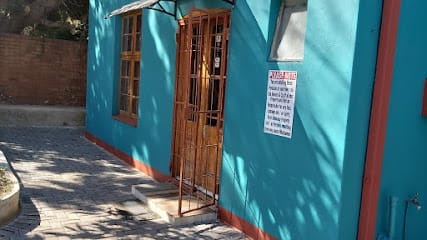
Pretoria, the executive capital of South Africa, offers a diverse mix of leafy suburbs, contemporary guesthouses and well-appointed hotels that suit a range of budgets and experiences. When planning a stay in Gauteng’s city, think about comfort, accessibility and the kind of atmosphere you prefer—from tranquil garden settings to stylish urban boutique stays. A good example within the sector is Green on Minni Guest House, a guest house that embodies the city’s approachable hospitality and convenient location, making it a sensible base for visitors keen to explore the region.
Areas to consider when choosing accommodation. Pretoria is a city of distinct neighbourhoods, each with its own character. The central areas tend to be well connected to major roads and public transport, offering quick access to museums, embassies, markets and restaurants. Suburban pockets provide a quieter stay, often with larger gardens or secure parking and a more intimate guesthouse or boutique hotel vibe. If you’re after a feel of the city’s colonial and modern blend, the central and eastern precincts can be particularly convenient for sightseeing and quick meals. For a more residential and tranquil stay, consider properties in leafy northern suburbs, which are typically near parks and green spaces and may offer generous outdoor areas. When booking, check not only the room but the surrounding neighbourhood and your planned daily activity for convenient commutes and walkability.
What to look for when booking. To maximise comfort and minimise travel time, keep these points in mind:
- Location relative to the attractions you plan to visit and to transport links such as buses or rail connections.
- Security features and on-site parking, especially if you’ll be driving or hiring a car.
- Amenities that matter to you (private bathrooms, reliable Wi‑Fi, air conditioning, breakfast options, and laundry facilities).
- Flexibility in check-in/check-out times and clear cancellation policies, which can be helpful if travel plans shift.
- Cancellation and deposit terms, including whether there are fees for changes or late cancellations.
- Guest reviews that mention consistent housekeeping, quiet rooms and friendly staff—these are often good indicators of good value for money.
Typical amenities you might expect. Pretoria’s guesthouses and hotels typically offer a mix of practical and comfort-driven features. It is common to find secure parking, gardens or outdoor seating areas, in-room desks for travellers who work on the go, and breakfast service that can range from continental to full hot meals. Many properties provide the option of self-catering facilities or kitchenettes, which can be convenient for longer stays or family bookings. If you’re visiting during the southern hemisphere summer, a refreshing pool or shaded outdoor spaces are a welcome perk. For business trips, look for reliable Wi‑Fi, access to business facilities, and easy check-in after hours if your flight arrives late.
Transport and getting around. Pretoria’s grid-and-suburban layout makes car travel straightforward, but you’ll also find practical alternatives. Renting a vehicle gives you flexibility to explore beyond the city’s core—think nature reserves, botanical gardens, and hilltop viewpoints. For shorter hops, ride-hailing services are widely available and often cheaper than pre-booked transfers. If you’re combining a visit with Johannesburg, convenient rail and road routes link the two cities, with the Gautrain offering rapid transit to nearby hubs in Gauteng. When staying in the city, a compact car or a good public transport plan will help you maximise your time without too much hassle between attractions and dining spots.
Best time to visit. Pretoria experiences a temperate climate with distinct seasons. Spring (September to November) brings mild days and blooming landscapes, while autumn (March and April) offers comfortable temperatures and lighter crowds. Summer can be warm to hot with occasional thunderstorms; if you prefer a drier spell and cooler evenings, late autumn or early spring are ideal. Winter (June to August) is cooler and can be crisp at night, but still pleasant for city exploration with indoor attractions and cafés as refuges from the chill.
Planning an itinerary and practical tips. When you plan your days, mix indoor cultural experiences with outdoor time to enjoy Pretoria’s parks, markets and viewpoints. A typical day might begin with a hearty breakfast at your guesthouse, followed by a visit to a major museum or cultural centre, a stroll through a park or garden, and a relaxed lunch at a restaurant offering local flavours. In the late afternoon, a short drive or walk to viewpoints or a market can round out the day, with a cosy evening back at your accommodation or a selection of convenient dining options nearby.
Practical tips for a smooth stay: book accommodation with secure parking if you have a car, confirm breakfast arrangements in advance if you’ll be catching early tours, and check neighbourhood walkability for evening meals. Keep a small, local map handy as a backup to your phone navigation, as network coverage can vary in certain streets. If you’re visiting during peak times, plan popular attractions in advance and allow extra time for transfers between sites. For a well-rounded visit, balance well-reviewed guesthouses or boutique hotels with a few hours to explore Pretoria’s gardens, monuments and culinary scenes—you’ll gain a richer sense of the city’s warmth and character.
For ideas on where to stay and what to do, a range of official and independent travel resources can help you plan ahead. Discovering Pretoria’s accommodation options, along with practical travel tips and suggested itineraries, will ensure you enjoy a comfortable and memorable stay in Gauteng.