Polokwane: Accommodation, attractions and practical planning tips for visitors
Polokwane, the capital of Limpopo, offers a convenient base from which to explore northern South Africa. The city blends modern amenities with access to nature, wildlife experiences and the region’s rich culture. When planning a stay, it helps to think about where you want to spend most of your time, what type of accommodation suits your travel style, and how you’ll get around to the sights and neighbourhood facilities.
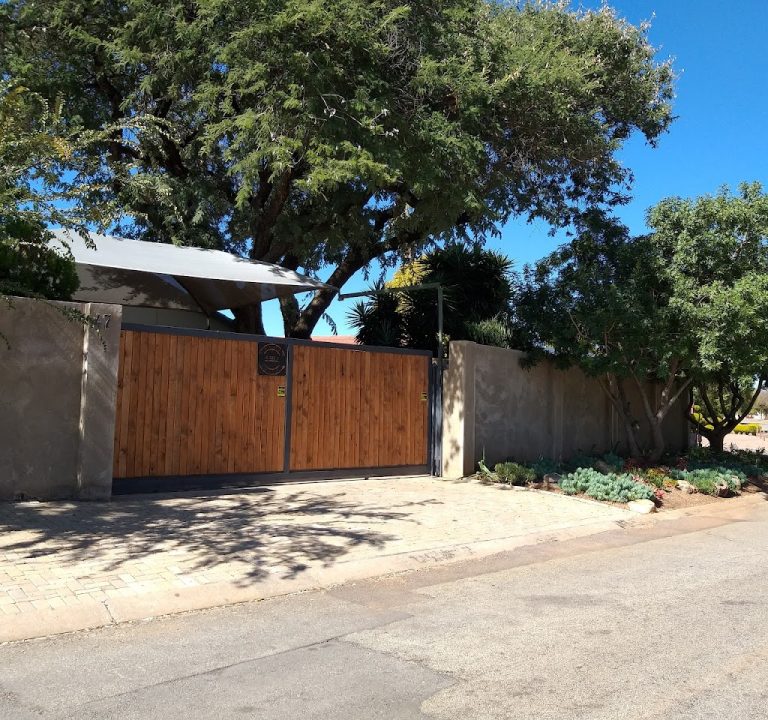
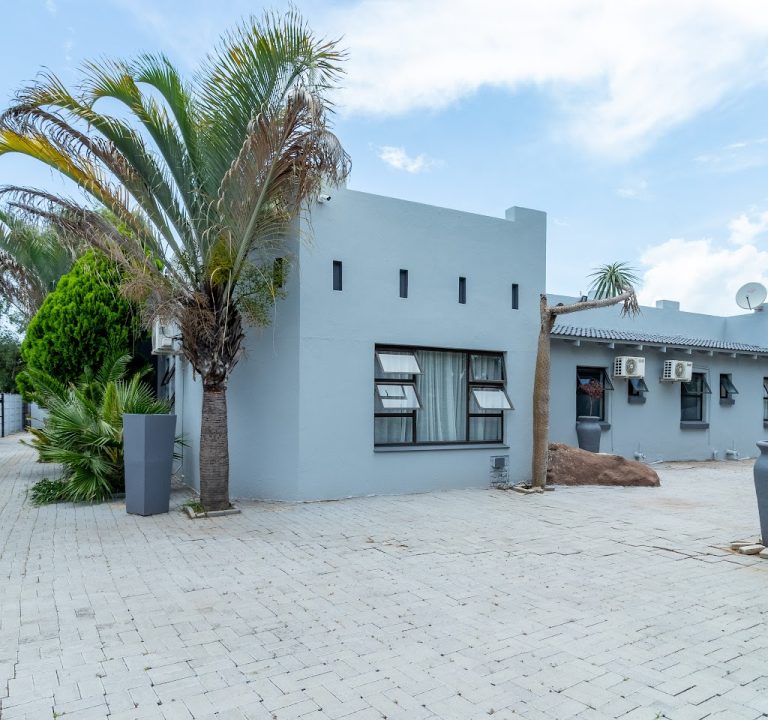
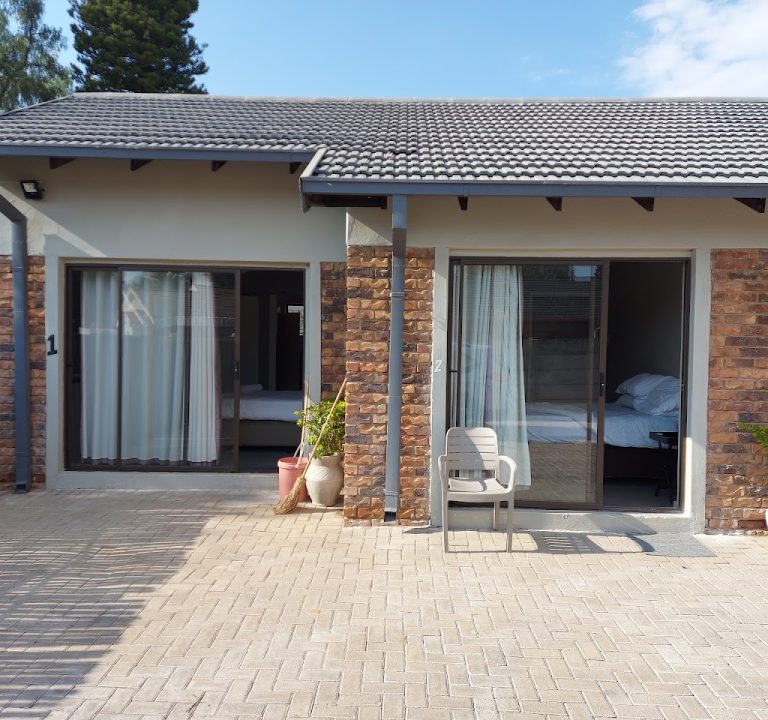
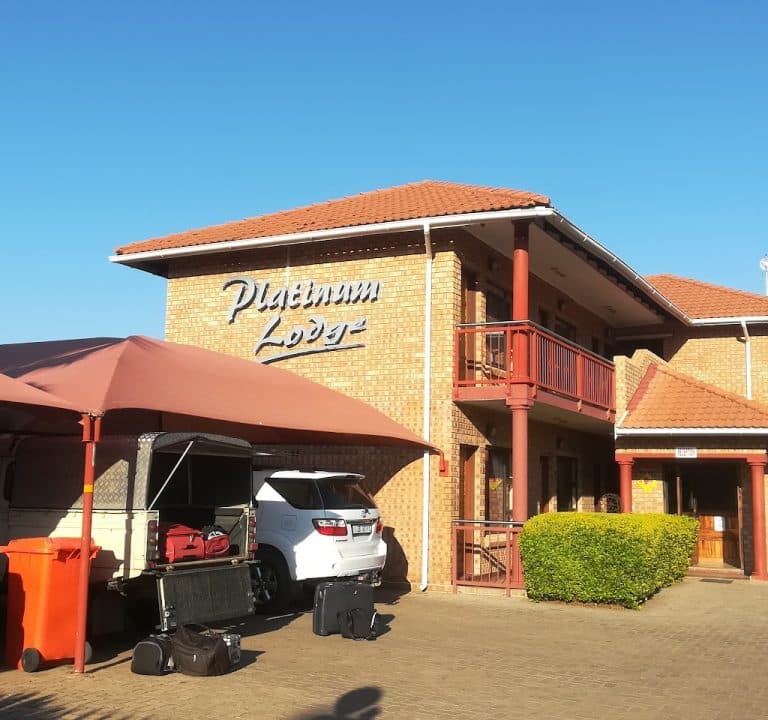
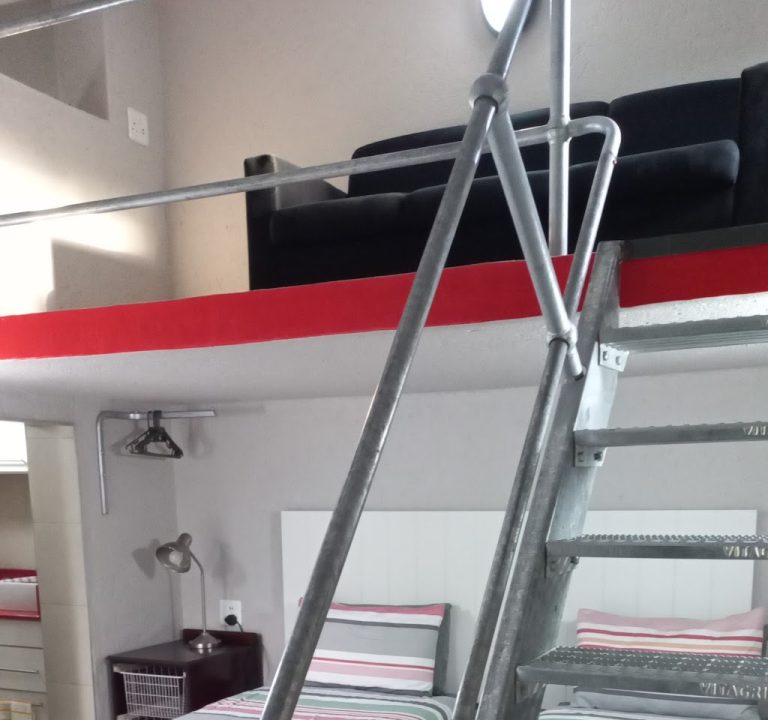
Accommodation in Polokwane ranges from boutique guesthouses and self‑catering cottages to mid‑range hotels and family‑friendly lodges. One example of a cottage‑style option is ZUCH Accommodation, which points to the appeal of smaller, characterful stays that offer a home‑from‑home atmosphere. For many visitors, these latter options provide a cosy base with easy access to the city’s arteries while still feeling separate from the day‑to‑day bustle.
Areas to consider when booking include the central business district for convenience and quick access to shops, markets and dining, and the northern suburbs for a quieter, leafy setting with easier access to some of the nearby nature reserves. Suburban zones close to major routes can reduce drive times to attractions and ensure straightforward trips to restaurants and retail centres. If you prefer a touch of privacy or a countryside feel, look for guesthouses or cottages situated a short drive from the city centre yet close enough to stroll to local cafés or markets.
Typical amenities to look for include secure on‑site parking, reliable wi‑fi, breakfast options, and thoughtful touches such as guest lounge areas, private entrances, and well‑equipped kitchens for self‑catering stays. A pool or outdoor seating area can be a welcome bonus in the warmer months. If accessibility is important, confirm whether rooms and facilities cater to guests with mobility needs, and check the availability of ground‑floor options or lifts where needed.
Transport in Polokwane is easier with a car, given the spread of attractions and dining venues beyond easy walking distance from central lodging. Many guesthouses and hotels offer parking and shuttle arrangements on request. If you plan to explore beyond the city, a car provides flexibility to visit nature reserves, viewpoints and day trips into the surrounding Limpopo landscape. For those who prefer not to drive, inquire about local taxi services or guided tour options that cover the key sights and routes in a comfortable itinerary.
Best time to visit Polokwane tends to align with the region’s climate. The dry winter months (roughly May to August) are popular for sunshine and easier wandering around outdoor spaces, while the hotter, wetter summer season (from roughly November to February) brings lush landscapes and the potential for afternoon showers. Spring and autumn offer pleasant temperatures for strolling markets, cafés, and city parks, with fewer crowds than peak holiday periods.
When it comes to planning a stay, consider these practical steps:
- Map your priorities: proximity to the city centre, access to nature, or a blend of both can shape which neighbourhood you choose.
- Confirm inclusions: breakfast, daily housekeeping, and parking arrangements can influence daily schedules and budgets.
- Assess amenities for your needs: Wi‑Fi reliability for work or streaming, a kitchen or kitchenette if you prefer home‑cooked meals, and any pet or family‑friendly facilities if applicable.
- Look at transport options: whether you will rent a car, rely on taxis, or use tours to reach attractions and dining venues.
- Check access to dining and markets: staying within easy reach of recommended eateries and small markets can enhance the stay, especially if you enjoy exploring local flavours.
- Plan day trips: identify a few nearby nature reserves, craft markets or cultural centres to schedule into your itinerary.
Attractions in and around Polokwane are varied and cater to different interests. The city serves as a gateway to wildlife and nature experiences in Limpopo, with opportunities for nature walks, birdwatching and scenic drives in nearby reserves. For culture and history enthusiasts, you can expect general insights into the region’s heritage, with museums and heritage sites offering context and interpretation. In terms of dining, Polokwane presents a mix of casual cafés, bistros and family‑friendly restaurants where visitors can sample regional flavours and contemporary dishes. When planning meals, refer to guesthouse or hotel hosts for local recommendations and seasonal specials, as they often know the best places to grab a relaxed lunch or a dinner with a view.
Booking tips for Polokwane include confirming cancellation policies, especially during shoulder seasons when travel plans may change. If you are visiting during peak periods or school holidays, it is wise to secure accommodation well in advance. Read recent guest reviews to gauge cleanliness, responsiveness of hosts, and consistency of facilities. Finally, while the city itself is well equipped, keeping a flexible plan allows you to swap a day of city exploration for a spontaneous day trip to a nearby natural area if the weather is favourable.