Accommodation and experiences in Polokwane, Limpopo: planning your stay and what to do
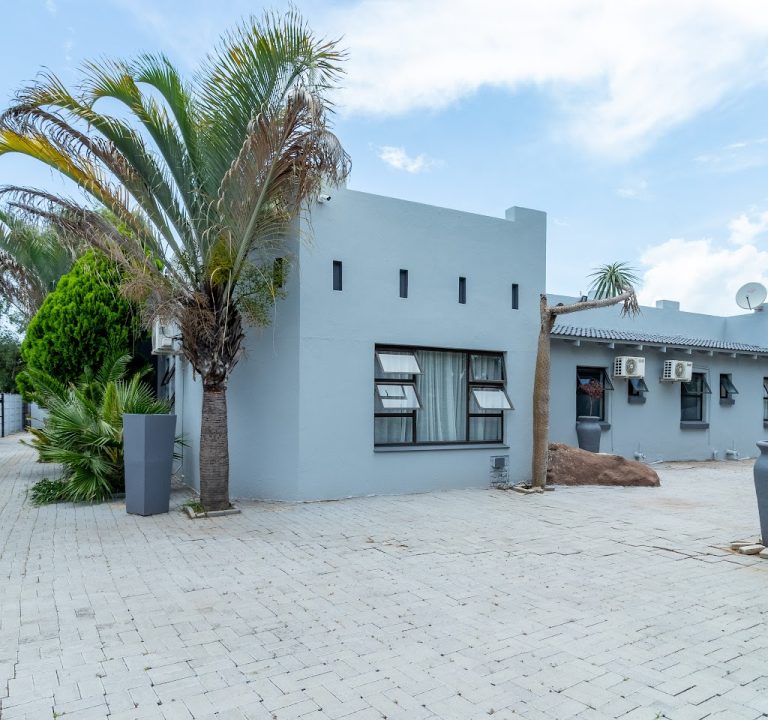
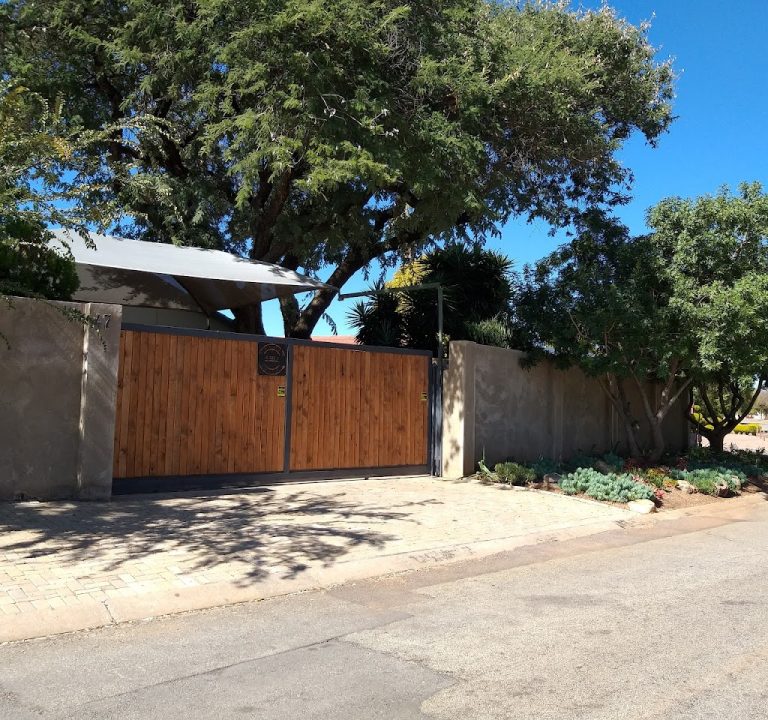
Polokwane, the capital of Limpopo, offers a convenient base from which to explore the province’s wildlife, culture and landscapes. Whether you prefer a boutique guest house, a mid-range lodge or a city-centre hotel, you’ll find options that balance comfort with easy access to sights, restaurants and transport links. A notable example in the area is Thondoni Lodge Penina Park, a guest house that can provide a personalised stay with a countryside feel while remaining close to Polokwane’s amenities. When planning a stay, consider where you’ll be based and how you’ll move around to make the most of your time.
Areas to consider when booking
- Central access to the city centre for restaurants, markets and chilled evenings, with easy access to main roads for day trips.
- Suburban or lodge-style settings near nature reserves for quicker wildlife-related outings.
- Quiet neighbourhoods with reliable transport links if you’ll be hiring a car or planning guided tours.
- Proximity to airports or bus hubs if you’re arriving by air or long-distance coach.
What to look for when booking
- Clear description of the accommodation type (guest house, boutique hotel, lodge) and distinctive character.
- Practical amenities such as secure parking, reliable Wi‑Fi, air conditioning or cooling, and on-site dining options or access to nearby eateries.
- Clear information about breakfast arrangements, daily housekeeping, and flexible check-in/out policies.
- Safety and security features, including well-lit entrances, secure access, and proximity to reputable neighbourhoods.
- Transparent cancellation policies and a realistic idea of what is included in the nightly rate.
- Accessibility considerations if travellers need step-free access or room arrangements for mobility.
Typical amenities you might encounter
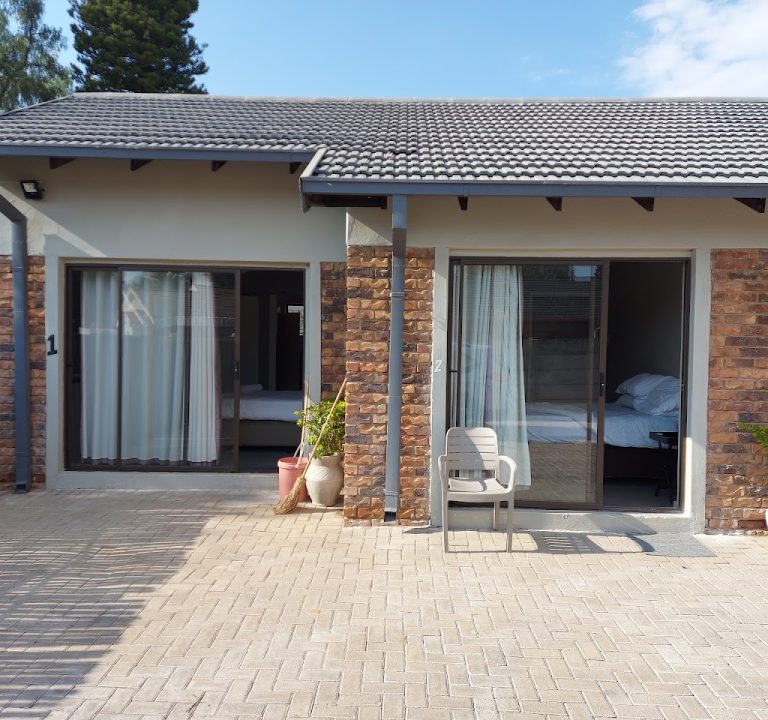
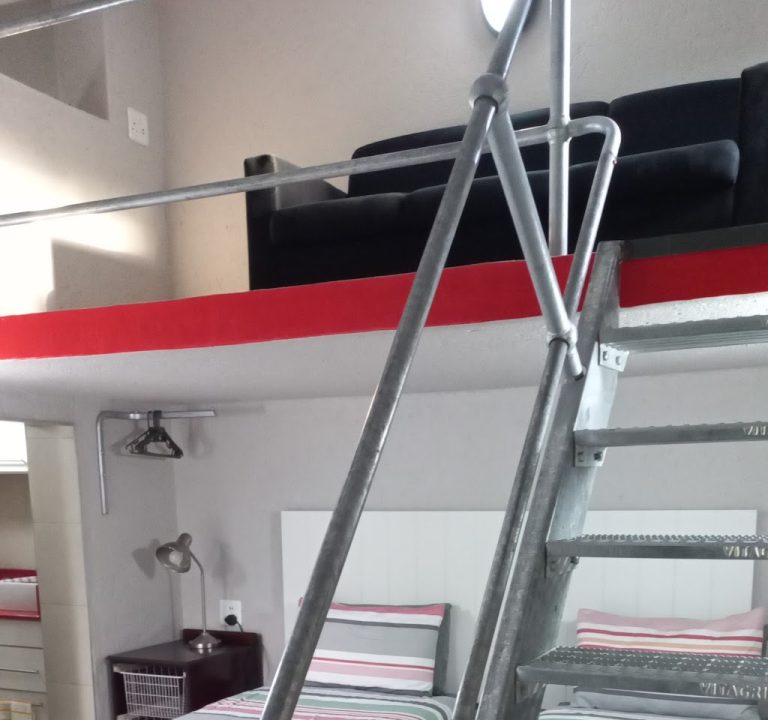
- Comfortable en-suite rooms with fans or air conditioning, multiple bedding configurations and thoughtful storage.
- A breakfast service with options that cater to various dietary needs, plus possible light evening meals or snack choices.
- Outdoor spaces such as courtyards, verandas or small gardens, ideal for relaxation after day trips.
- Communal spaces for socialising or planning the next day’s itinerary, and a reception area with local tips.
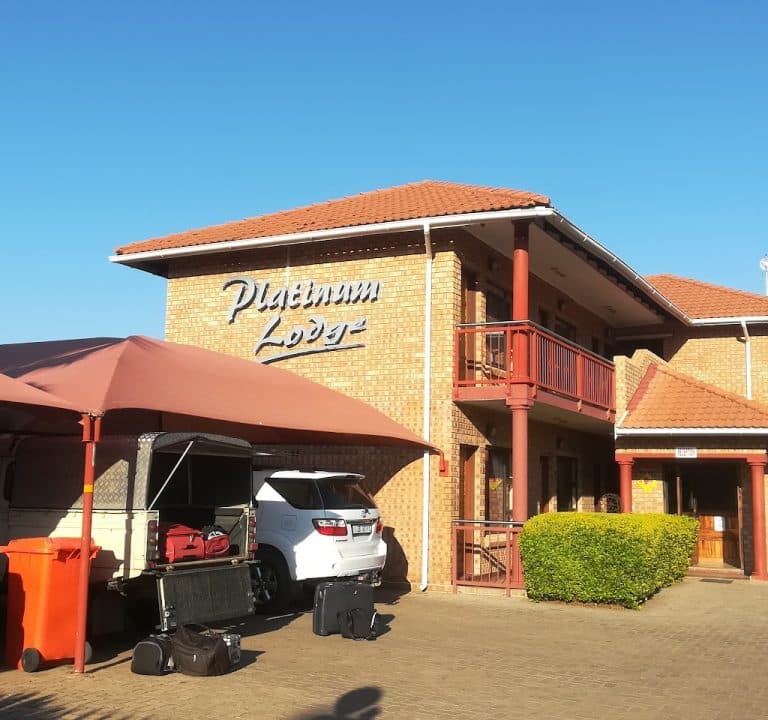
- Parking facilities, sometimes with security features, and easy access to public transport routes.
- In-room conveniences like tea and coffee facilities, a desk area for planning, and perhaps a small workspace.
How to get around
- Polokwane is well connected by road, with taxis and ride-hailing services available in the city centre.
- If you’re exploring surrounding reserves or countryside, a car is usually the most convenient option for flexibility and timing.
- For longer distances, check whether your accommodation can arrange transfers or advise on reputable local operators.
- If you prefer guided experiences, many guest houses and lodges can arrange day trips with knowledgeable local guides.
Best time to visit
- The dry season (roughly May to August) tends to offer pleasant daytime temperatures and clearer skies, which can make outdoor activities and city strolls more comfortable.
- The warmer, wetter months bring more lush scenery and wildlife-spotting opportunities in nearby reserves, though itineraries may require a little extra planning for sudden showers.
- Consider aligning your stay with local markets and cultural events, which can enhance your appreciation of the area’s crafts, foods and performances.
Practical tips for travellers
- Contact your chosen accommodation in advance to confirm meal arrangements, parking, and any special requests you may have.
- Pack layers: mornings and evenings can be cool, while daytime temperatures may rise, especially if you’re out exploring nature reserves.
- Bring comfortable walking shoes for riverbanks, markets and nature trails, plus a lightweight rain layer if visiting during the wetter months.
- Check the local driving rules and parking signs if you plan to hire a car, and always keep a map or offline navigation handy.
- Budget a little time for shopping at local markets or craft shops, where you can find unique, handmade pieces and regional ingredients.
- Read guest reviews for insights into service quality, cleanliness and responsiveness—these details can be particularly helpful in planning a comfortable stay.
Attractions and experiences in broad terms
- Polokwane’s city centre offers a lively blend of markets, shops and green spaces ideal for relaxed wanderings.
- The surrounding Limpopo countryside provides opportunities for nature walks, birdwatching and short drives to nearby nature reserves.
- Cultural and historical highlights, though modest in scale, celebrate the region’s crafts, heritage and contemporary South African life.
- Dining in Polokwane ranges from casual eateries to more refined venues, where you can sample regional flavours and international dishes.
Planning a stay with a view to enjoying both accommodation and activities
- Start by selecting a base that suits your preferred pace—whether you want a peaceful retreat near nature or a convenient spot close to restaurants and transport.
- Build a loose day-by-day plan that balances outdoor time with culinary discovery and downtime at your accommodation.
- Leave room for spontaneous discoveries, such as a nearby market, a cafe with good reviews or a scenic lookout along a public route.
- Where possible, choose properties that can curate local experiences or connect you with reputable guides, ensuring you get a taste of Polokwane beyond the obvious sights.
For more information on Polokwane’s tourism offerings and practical travel ideas, you can explore regional visitor sites and local tourism pages. A well-chosen guest house or lodge can anchor a memorable stay in Limpopo, enabling you to experience the hospitality and landscape that make this part of South Africa appealing.