Hopefield: A practical guide to accommodation, attractions and planning your stay on the West Coast
Hopefield sits along the West Coast of the Western Cape, a laid‑back hub that suits travellers seeking a slower pace, natural beauty and easy access to wider day trips. For visitors seeking self‑catering options, the Zoute River area offers a serene base with family‑friendly, practical amenities while remaining reasonably close to the region’s broader attractions. When planning a stay, think in terms of convenience, comfort and the kind of pace you want to set for your days in the area.
Accommodation in and around Hopefield ranges from compact self‑catering units to larger guesthouses and rural retreats. Self‑catering offerings are especially appealing for longer visits or for travellers who enjoy cooking with local produce. Look for dedicated kitchen facilities, including a gas or electric hob, fridge, and cooking utensils, plus a dedicated dining area or outdoor eating space. If you’re travelling with family or friends, consider properties with multiple bedrooms, separate lounges, and outdoor spaces such as patios or braai (barbecue) areas. In rural or semi‑rural settings, on‑site parking and a private entrance can add to your sense of privacy and ease of access.
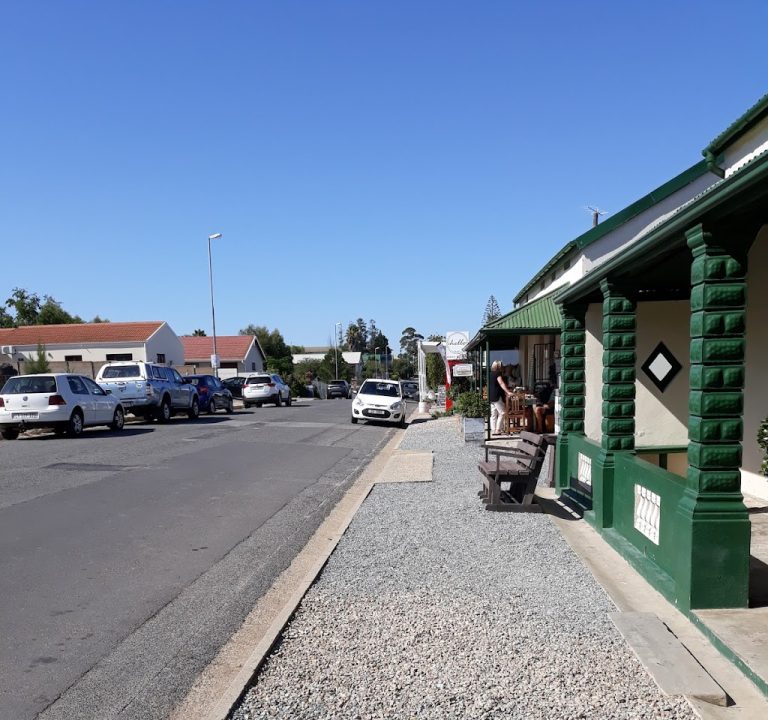
Location is a key consideration. Staying in or near Hopefield town provides convenient access to shops, cafés and basic services, while a riverside or farm‑style setting nearby can offer more tranquillity and expansive views. For those who prefer a longer stroll or easy cycling routes, choose a home that sits along quiet lanes or near open farmland, while keeping in mind the need for reliable transport to reach beaches, nature reserves and other towns on the West Coast corridor.
Practical planning tips for booking include checking for clear cancellation policies, especially if your plans may shift with the weather or family commitments. Read guest reviews to gauge the accuracy of the listing descriptions—pay attention to notes about cleanliness, the reliability of utilities (water and power in rural settings can be variable) and whether the space is truly self‑contained or requires interaction with hosts. Confirm what is included in the price: basic provisions, bedding and towels, and the availability of laundry facilities. If you plan to cook, verify the kitchen’s equipment and whether basic staples are provided or nearby shops are easily reachable.
Typical in‑unit amenities that help make a stay comfortable include private entrance or garden access, secure parking, reliable Wi‑Fi, heating or cooling options, and well‑equipped kitchens. Outdoor features such as sheltered dining areas, barbecue equipment, and shaded seating can prove invaluable, particularly during warmer months. For families, an outdoor play area or proximity to child‑friendly activities may be a bonus. When booking, also check the accessibility of the property—step-free access, indoor showers or baths, and safety features such as secure fencing or gates if relevant to your plans.
Transport options are a practical part of planning. A car is generally the most convenient way to explore Hopefield and the surrounding West Coast towns, giving you flexibility to visit beaches, birdwatching spots and nearby nature reserves at your own pace. If you don’t drive, verify the proximity to public transport or potential shuttle arrangements with the host, and plan your day trips accordingly. For those who enjoy scenic routes, a drive along the coast or through rural lanes can be an enriching part of the stay, with opportunities to stop at farms or small eateries along the way.
The best time to visit Hopefield and the broader West Coast varies by what you want to do. Spring and early summer (August to December) bring mild weather, flower displays, and migratory birds, ideal for nature lovers. Summer offers long daylight hours and opportunities for seaside wanderings north of the town, though it can be warmer. Winter is generally cooler and quieter, which some visitors favour for off‑season price advantages and a slower pace. If your goal is to enjoy outdoor activities such as cycling or hiking, the shoulder seasons often provide comfortable temperatures and quieter trails.
Activities and attractions in the area are varied and generally low‑key, perfect for a relaxed coastal break. Nature lovers can explore birdwatching hides, riverside strolls, and nearby farms with panoramic views. The region is well suited to day trips that include beaches, wildlife reserves, and artisan farms where you can sample local produce. Dining options in Hopefield tend to be casual and unpretentious, with cafés and eateries offering simple, hearty meals that highlight regional ingredients. Other visitor experiences often involve guided nature walks, markets, or local crafts—elemental and charm‑driven rather than headline attractions.
When you arrive, a flexible plan works best. Map out a couple of non‑negotiables—perhaps a morning by the river, an afternoon at a nearby beach, and a comfortable evening in your self‑catering space. Build in a couple of contingency options for weather days or travel fatigue. Always check‑in with your host about any practicalities, such as where to obtain fresh provisions, the best times to see local wildlife, and suggested routes for safe cycling or walking. For more information on Western Cape travel resources, you can consult official regional tourism sites and local visitor guides as you shape your itinerary.
- Consider areas with a balance of privacy and access to amenities
- Prioritise self‑catering facilities and outdoor spaces
- Plan transport logistics around day trips and seasonal weather
- Check cancellation policies and guest reviews before booking
For more inspiration and practical travel resources, see official Western Cape tourism pages and regional guides. Whether you’re seeking a peaceful riverside retreat in Zoute River or a practical base for exploring the broader West Coast, Hopefield offers a welcoming starting point for a relaxed South African coastal escape.