Hopefield: A Rural Escape in the Western Cape for Accommodation and Local Experiences
Hopefield, a peaceful village set in the Western Cape's countryside, offers a relaxed base for travellers seeking room to breathe and a flavour of rural South Africa. The town and its surrounding farms provide a mix of accommodation styles, from intimate guesthouses and self-catering cottages to modest hotels that keep travellers close to nature. When planning a stay, consider the distance to key routes, the type of experience you want, and how self-sufficient you’d prefer to be during your visit.
Areas to consider for your stay include the town centre, where you’ll find small, friendly properties close to essential services, as well as countryside pockets that deliver a tranquil, countryside atmosphere. If you’re drawn to scenic drives and farm experiences, look for places on or near access roads to olive groves, vineyards, or rural trails. For families or groups, self-catering cottages and small guesthouses often offer the flexibility to cook meals, spread out in comfortable living spaces, and plan day trips with ease.
Typical amenities to look for when booking include quiet gardens or outdoor seating areas, secure parking, and reliable Wi‑Fi for planning daily excursions. Many guesthouses and hotels in the area offer breakfast inclusions, which can simplify mornings before setting off to explore. If you prefer to dine out, ask about on-site dining options or the availability of light meals and snacks for late arrivals. Cleaning and laundry facilities are particularly handy for longer stays or travellers on the road for an extended period.
Transport links are an important planning factor. Hopefield sits within easy reach of regional roads and is a practical stop en route to other Western Cape destinations. Car hire is common for visitors who want to explore the surrounding countryside, visit farms, or reach coastal towns and nature reserves. If you’re travelling by public transport, check local schedules in advance, as services in rural areas can be less frequent. For guests staying closer to key routes, taxis or ride-hailing options can provide flexibility for evening meals or day trips without needing to drive.
The best time to visit Hopefield is tied to what you hope to do. Spring and autumn bring mild temperatures that suit outdoor activities such as walking, cycling, or slow drives through farmland. Summer offers longer daylight hours for exploring and enjoying picnics in countryside settings, while winter brings cooler weather that’s good for intimate fireside evenings at accommodation with cosy lounges. If you’re keen on birdwatching or winged-wetland scenery, plan around local wildlife seasons, but be prepared for variable weather in the Western Cape’s interior climate.
Practical tips for a comfortable stay:
- Book in advance during peak holiday periods or harvest seasons when demand for rural rooms increases.
- Confirm whether breakfast is included and what dietary options are available, especially if you’re staying in self‑catering accommodation and plan for meals on site.
- Ask about household amenities such as kitchen facilities, laundry, and heating or cooling to match your comfort needs.
- Check access to outdoor spaces; a courtyard, patio, or garden can enhance evenings after day trips.
- In rural areas, ensure you have sufficient fuel and water for your vehicle and plan realistic driving times between stops.
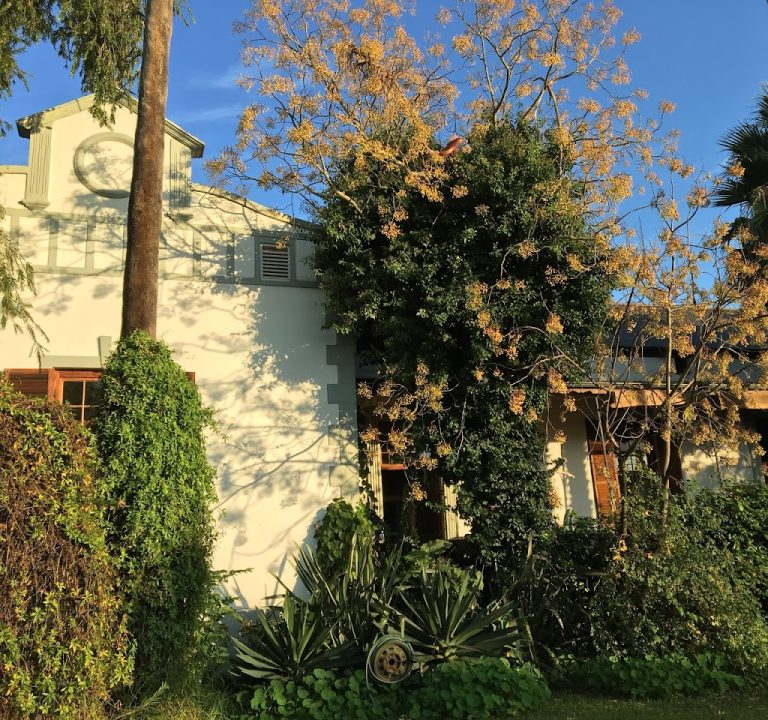
When it comes to attractions and experiences, Hopefield and its surrounds offer gentle, travel-friendly options rather than grand, headline experiences. You can expect a landscape of open fields, olive and fruit farms, and scenic byways that make for pleasant day trips. Wildlife and nature lovers may enjoy easy trails, birding spots, and opportunities to observe rural farm life from a comfortable distance. For those who simply want a relaxing break, a quiet stay with a book in a sunlit garden or a slow meal at a local café can be the highlight of a short visit.
Dining in the area tends to reflect the agricultural setting—informal eateries, cafés, and farm-to-table venues that focus on fresh, seasonal ingredients. If you’re staying in a guesthouse or small hotel, staff can often recommend nearby options that suit various tastes and dietary preferences. Booking a stay with flexible meal arrangements is useful, especially if you plan early starts or late returns from day trips.
For those who appreciate a structured itinerary, consider building a light programme around a few key themes: a self‑drive morning through neighbouring farms, a relaxed lunch at a country café, and an afternoon stroll or a short nature walk. Rely on your accommodation host for local tips and hidden-gem spots that aren’t widely advertised, as many rural areas offer memorable experiences simply by engaging with the community and taking the slower pace of life into account.
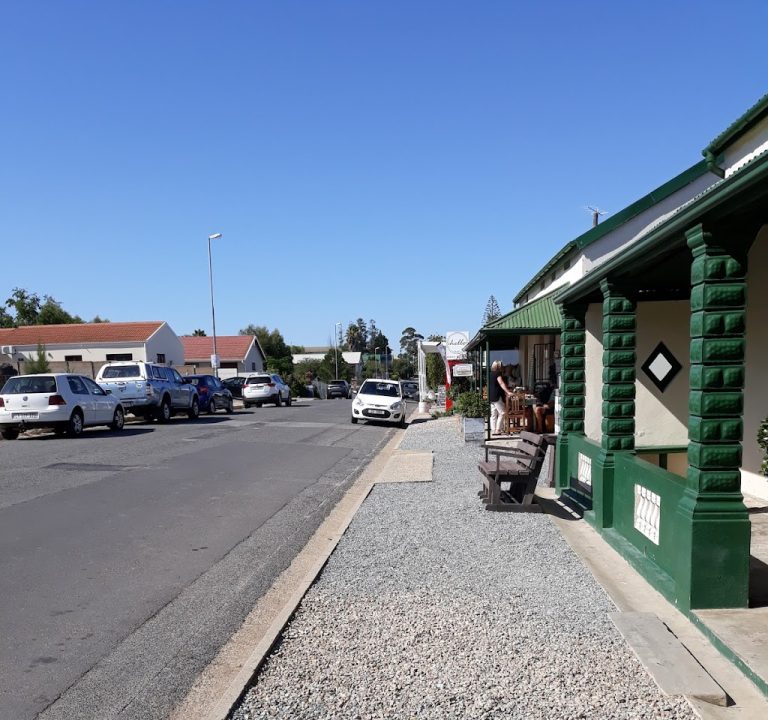
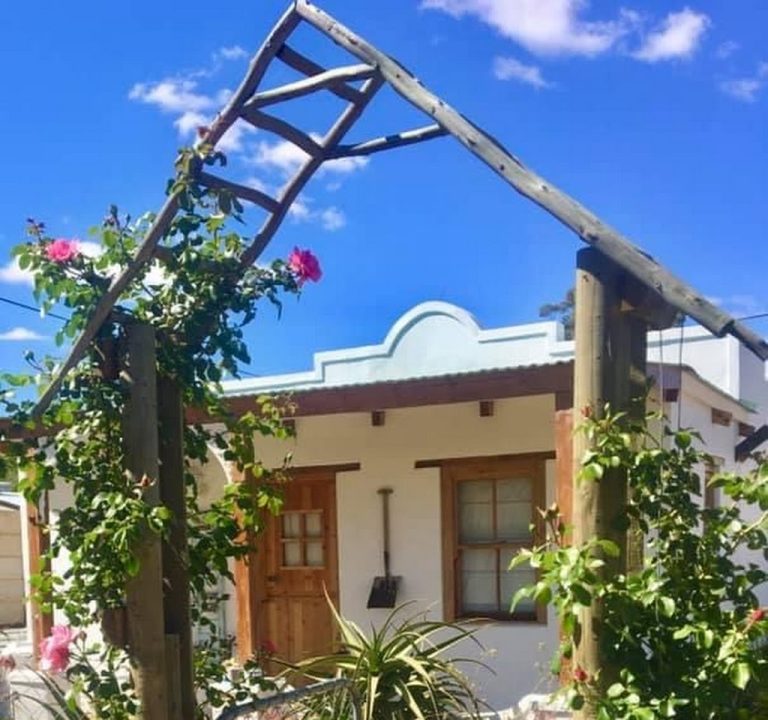
In short, Hopefield is best explored with a flexible plan and an emphasis on comfortable accommodation, easy transportation, and opportunities to enjoy the countryside at a gentle pace. Whether you opt for a classic hotel experience at a place such as the Commercial Hotel, a cosy guesthouse, or a self‑catering cottage on a working farm, you’ll find that a stay in this part of the Western Cape can be a refreshing counterpoint to busier coastal cities. For more information and to browse options, visit local accommodation listings and the official tourism pages that focus on rural Western Cape experiences.