<h2 Durban, KwaZulu-Natal: A Practical Guide to Accommodation, Attractions and Getting Around
<pDurban’s blend of palm-fringed beaches, warm Indian Ocean waters and vibrant neighbourhoods makes it a compelling destination for a short break or a broader KwaZulu-Natal itinerary. When planning a stay, consider choosing a base that reflects how you want to explore: a beachside suburb for easy sea access, a leafy inner-city area for easy restaurant hopping, or a coastal town nearby for a contrast to the city pace. Durban offers a range of lodging from guesthouses and boutique BnBs to mid-range hotels and self-catering apartments, many with options to suit family holidays or solo city breaks.
<pLocations to consider include the Golden Mile and beachfront precincts for easy sea views, Umhlanga or Ballito for a resort-style feel and well‑developed dining scenes, and the central Berea for historic buildings and quick access to markets and nightlife. If you plan day trips to the Valley of a Thousand Hills, the Midlands, or neighbouring towns, a countryside lodge or self-catering cottage within an hour or so of the city can balance urban exploration with quieter downtime.
<pWhat to look for when booking a property is as important as what you want to see planned into your itinerary. Practical aspects to prioritise include: proximity to the beach or to major roads for easy transport, on-site parking, and reliable Wi‑Fi if you need to work or stay connected. Check whether the accommodation offers flexible check-in and check-out, daily housekeeping, and safety features such as secure access. For families, look for child-friendly facilities or nearby parks and beaches; for those seeking a romantic or spa‑style break, seek out properties with quiet corners, patios, or in-room comforts such as air‑conditioning and good lighting for evenings in.
<pTypical amenities vary by style and price point but commonly include well-equipped kitchens or kitchenettes, comfortable living spaces, clean bathrooms, and water temperature controls that function well in Durban’s humid climate. Many properties provide options for breakfast or access to self-catering facilities, and some offer organised activities or local experiences nearby—such as guided nature walks, cultural tours or coastal bike rides. Consider whether the lodging has a swimming pool, laundry facilities, or outdoor spaces for a family barbecue, which can be invaluable for longer stays.
Transport around Durban is straightforward, though the most convenient option depends on where you stay. The city has a mix of public transport and ride-hailing services; in busy areas, Uber or similar apps provide flexible options for evenings out or trips to markets and shopping centres. If you plan to explore beyond the central city, hiring a car can offer the greatest freedom to visit coastal towns, inland viewpoints, and nature reserves at your own pace. For those who prefer not to drive, many areas are accessible by taxi services and local Uber-like apps, and some hotels offer airport or station transfers on request.
The best time to visit Durban is typically during the warmer months, when seawater is inviting and outdoor activities abound. Spring and summer bring lively street markets, beaches and harbour-front walks; winter offers milder sunshine and lower humidity, with cooler evenings that can be ideal for dining out and exploring the city’s historic architecture. If you’re keen on surfing, summer swells can be rewarding, while autumn tends to be pleasant for sightseeing without peak crowds. Be prepared for occasional tropical showers during the summer rainy season, and plan flexible outdoor itineraries to accommodate these brief changes in weather.
Practical tips to make the most of a Durban stay:
- Book accommodation with easy beach access or a short taxi ride to your must-see attractions.
- Choose lodgings close to the places you want to eat and explore to minimise long daily commutes.
- Pack light layers: Durban enjoys hot days and cooler evenings, especially near the coast.
- Secure a reputable property with clear cancellation policies in case plans change.
- Use trusted transport options, and avoid unlicensed street hails in unfamiliar areas after dark.
Beyond the hotel or BnB, Durban offers a wealth of experiences in general terms. You’ll find vibrant markets and cultural hubs where locals share stories through music, crafts and food stalls. Coastal promenades invite long walks with sea breezes, while family-friendly parks and nature reserves provide gentle escapes from the bustle of the city. For dining, look for places that highlight local flavours—spices, seafood and Durban’s characteristic warmth in service and atmosphere. In terms of day trips, many visitors enjoy a coastal drive along the Shaft into neighbouring towns or a scenic countryside detour to hills and valleys further inland, where the scenery shifts from tropical coast to rolling landscapes.
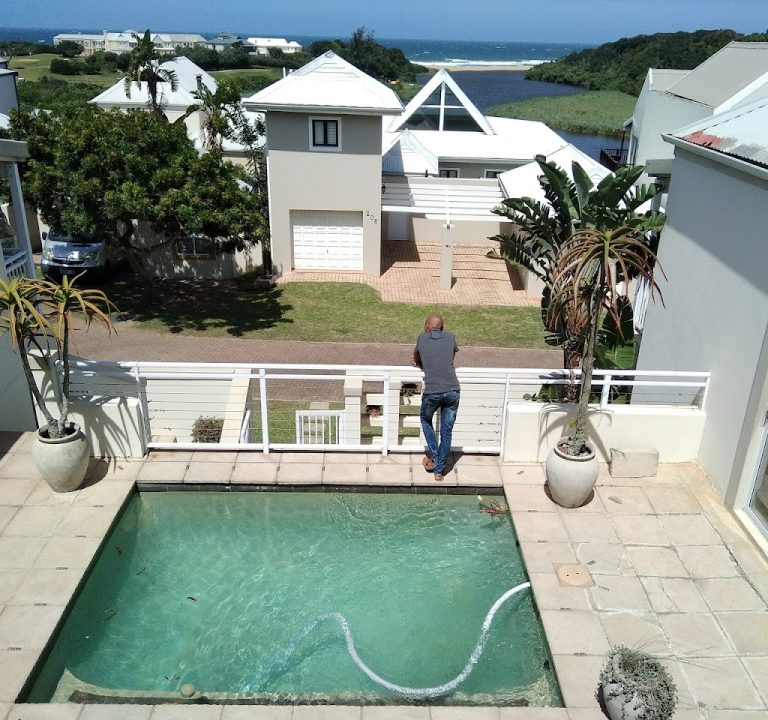
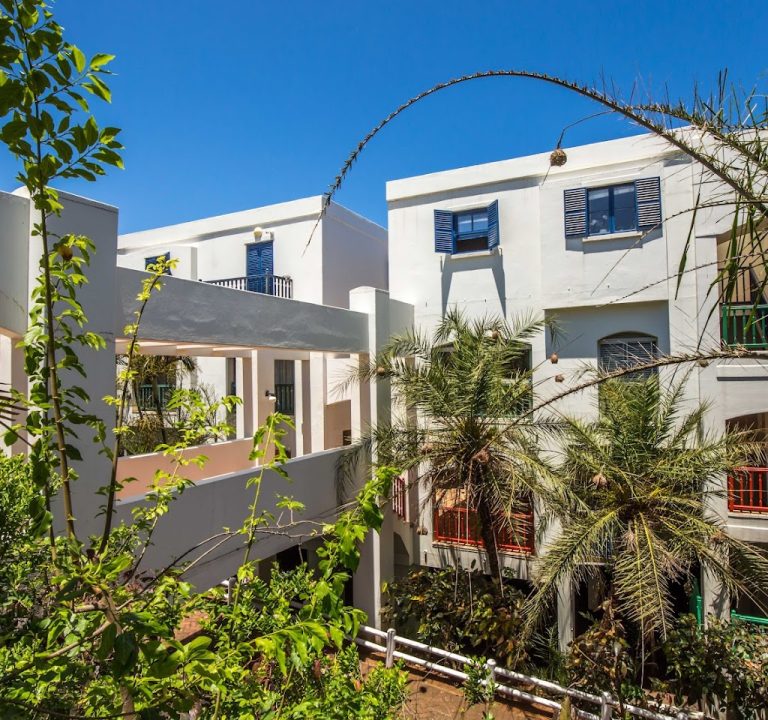
For an example of lodging in KwaZulu‑Natal, consider traditional beach or countryside options such as the Zinkwazi Holiday Home, a type of self-catering lodging that embodies a relaxed holiday mood with the option to explore the broader region. Further information and similar properties can be found through accommodation websites and official tourism pages. When researching, you may come across properties with dedicated pages and contact details on their own sites; use the provided links to compare facilities, guest reviews and location notes before making a booking.
Durban’s extensive coastline, cultural breadth and convenient accessibility make it an appealing gateway to KwaZulu‑Natal. With thoughtful planning around where you stay, what you want to see, and how you move about, you can build a balanced itinerary that includes beaches, markets, parks and regional excursions, while enjoying comfortable, well‑located lodging throughout your visit. For more inspiration and options, you can explore listings and itineraries online via trusted travel sites and the city’s official tourism resources.