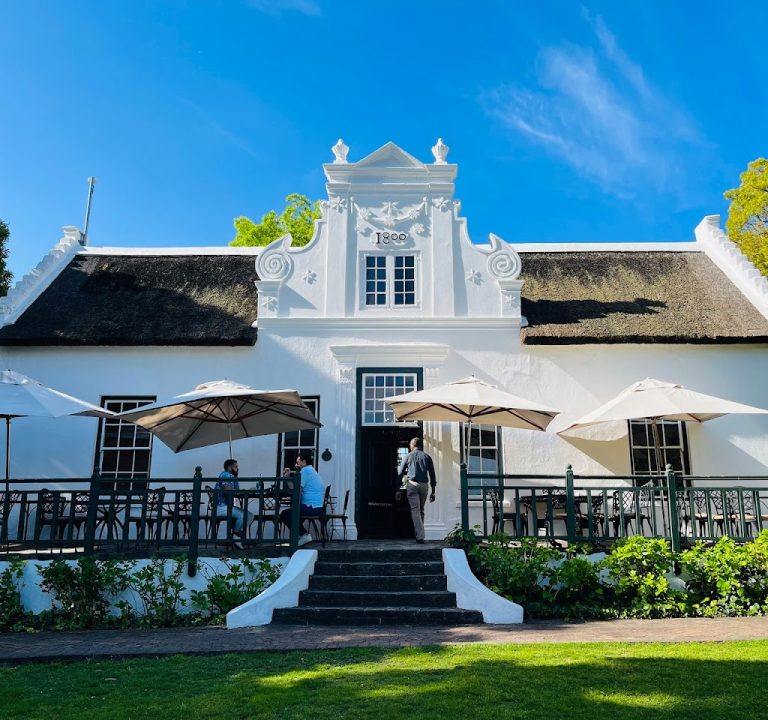
zewenwacht wine estate is a Bed & breakfast establishment in Cape Town, Western Cape, South Africa
Cape Town
Western Cape
Cape Town
South Africa


Accommodation and Experiences in Cape Town, Western Cape
Cape Town is a diverse hub for travellers, where staying in different neighbourhoods can shape your whole experience of the city and its surrounds. From stylish boutique B&Bs to family-run guesthouses and modern hotels, the options span a range of budgets and vibes. When planning a stay, think about access to the main sights, how you prefer to move around, and what kind of atmosphere you want after a day outdoors or by the harbour.
Popular areas to consider include the City Bowl and V&A Waterfront for convenience and walks along the harbour, Camps Bay and Clifton for beaches and sunset views, and Constantia or the Southern Suburbs for a quieter, leafy escape with easy access to wine estates. If you’re drawn to historic streets and colourful culture, Bo-Kaap offers character-filled stays with proximity to museums, markets, and excellent eateries. For a broader South African experience, it’s worth noting that the Cape Winelands, a short drive away in Stellenbosch or Franschhoek, is a notable day-trip option from Cape Town itself.
When booking accommodation, look for what matters most to you: a strong host ethos, a comfortable bed, reliable Wi‑Fi, a well-equipped kitchen or breakfast service, and thoughtful touches that suit your travel style. Bed & breakfasts and guesthouses often provide a more personalised stay, with breakfast options that showcase local ingredients. Boutique hotels typically balance stylish design with practical amenities such as secure parking, airport transfers, and guest lounges. If you plan to stay in a wine-region locale such as a nearby wine estate, you may find elegant rooms with countryside views and easy access to vineyard walks or tasting experiences.
Typical amenities you might encounter include: air conditioning or fans for warm evenings, private bathrooms, tea and coffee facilities, a safe, and, increasingly, solar power or water-saving features in line with Cape Town’s climate considerations. Hosts frequently offer local tips, maps, and recommendations for offbeat experiences, which can transform a standard visit into something memorable. Some properties partner with nearby restaurants or experiences, making it simpler to plan evenings without long detours after busy days of sightseeing.
Transport in Cape Town is straightforward but varies by area. The MyCiTi bus network serves many central routes, including travel between the City Bowl, the V&A Waterfront, and the southern suburbs. Uber and other ride-hailing apps are common and convenient, especially for evenings out or trips to the beaches. If your stay centres on a wine estate or coastal area outside the city, a rental car may be the most economical and flexible option for day trips. Consider airport transfers if your flight times are irregular, and check if your accommodation can assist with luggage storage or early check-in/late check-out arrangements where required.
The best time to visit Cape Town is guided by your preferences for weather and crowds. The summer months (December to February) bring longer days and outdoor theatre, beaches, and harbour activities, but can be busier and more expensive. Spring (September to November) and autumn (March to May) offer milder temperatures and excellent surfing, hiking, and vineyard visits with fewer crowds. Winter (June to August) is cooler and wetter, yet probabilities of clear, crisp days remain good for city sights and cultural events. If you’re planning a wine-tarming trip, shoulder seasons provide smoother access to estates and tastings without peak-season queues.
There are countless attractions to anchor your itinerary. Iconic Table Mountain is best experienced on clear days, either via the cableway or a hike with an informed route. The Kirstenbosch National Botanical Garden offers shaded paths and forest-like walks alongside sweeping views. The Cape Peninsula coastline invites scenic drives to natural reserves and viewpoints, with opportunities for hikes, seabird sightings, and dramatic ocean vistas. The harbour area features museums, markets, and opportunities to learn about the city’s maritime heritage. For a day beyond the city core, reputable wine estates nearby can provide guided tastings, cellar tours, and relaxing gardens to unwind in after a day of exploration.
When it comes to eating out, Cape Town’s dining scene ranges from casual waterfront eateries to intimate bistros and stylish brasseries. Look for venues that emphasise fresh seafood, proudly South African flavours, and farm-to-table ingredients, with menus that reflect seasonal availability. It’s common for guests to pair meals with local wines, particularly from nearby Constantia, the Atlantic Seaboard, or the Cape Winelands. If you’d like a more relaxed dining plan, many accommodation providers can direct you to nearby casual spots or markets where you can sample a range of dishes in a short time.
For a sample stay, consider a charming bed & breakfast in a residential area with easy access to public transport and a promise of friendly, local insights from your host. One example in the region is a well-reviewed estate that offers a tranquil setting, traditional rooms, and a rich breakfast experience; such a property can provide a practical home base if you’re seeking a classic Cape Town stay with easy access to both city sights and the surrounding wine country. When researching, check for recent guest reviews about noise levels, parking policies, and the responsiveness of hosts or staff to planned activities or weather changes.
Practical planning tips:
- Book accommodation with a clear cancellation policy and a flexible check-in window in case of travel delays.
- Prioritise properties that provide practical amenities for longer stays, such as a kitchenette or laundry facilities, and reliable Wi‑Fi if you’ll be working remotely.
- Consider proximity to a major transit route or to a car hire point if you plan to explore beyond the city core.
- Check whether the property offers secure parking or easy access to street parking, especially in central areas.
- Consult the host or concierge for personalised recommendations on activities, markets, and safe walking routes at night.
Whether you are drawn to the sea breeze of the Atlantic coast, the shade of a wine estate, or the vibrancy of the city, Cape Town offers a spectrum of stay options that can be shaped to your itinerary. A thoughtful choice of neighbourhood, together with clear planning and realistic expectations about transport, can make your visit to the Western Cape both relaxing and richly rewarding. For more information on specific properties, you can consult official tourism pages or guesthouse websites to tailor your booking to your preferred dates and interests.
Sorry, no records were found. Please adjust your search criteria and try again.
Sorry, unable to load the Maps API.
Why Claim Your Listing?
Claiming your listing on the B&B Finder directory website is a valuable opportunity for business owners. Here are five reasons why you should consider claiming your listings:
Control Over Business Information: By claiming their listing, business owners can ensure that all the information presented is accurate and up-to-date. This includes details such as contact information, address, pricing, and available services or amenities. Accurate information helps prevent customer confusion and improves overall satisfaction.
Enhance the Listing: Once a listing is claimed, owners can enhance it by adding more comprehensive information and rich media, like high-quality photos and videos. These additions can make the listing more attractive and engaging to potential customers, thereby increasing the likelihood of bookings.
Marketing Opportunities: Claiming a listing can also open up additional marketing opportunities. Owners may be able to participate in promotional campaigns, special offers, and other marketing activities organized by the directory. This can increase visibility and attract more customers to the business.