Where to stay, eat and explore in Cape Town, Western Cape
Cape Town offers a diverse mix of accommodation styles, from stylish city boltholes in the heart of the City Bowl to tranquil guesthouses along the Atlantic Seaboard and comfortable cottages in the green hills of Constantia. When planning a stay, think about what kind of experience you want each day to begin with—panoramic harbour views, easy beach access, or a doorstep to wine country. The city is compact enough to explore by car or public transport, yet richly varied enough that you can easily switch neighbourhoods during a longer visit to experience different atmospheres.
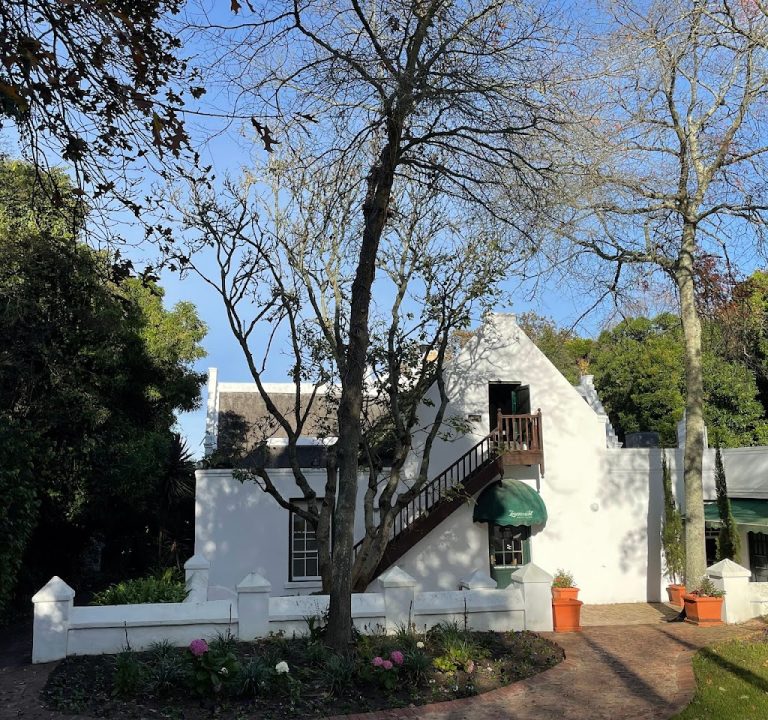
City centre and the V&A Waterfront are convenient for first-time visitors who want quick access to sights, museums, and restaurants. The Atlantic Seaboard and Camps Bay offer sun, sea, and sunset scenery, often with cliff-top paths and stylish eateries within walking distance. For a wine-country escape without travelling far, Constantia and the nearby Stellenbosch and Helderberg regions deliver terraced vineyards, colonial splendour, and culinary experiences that pair well with stays in boutique hotels or guesthouses with pool and room service.
When choosing accommodation, look for practical features that save time and enhance comfort. Generous secure parking is useful if you plan to rent a car, while a good breakfast or kitchen facilities help with early starts. Many guesthouses and boutique hotels flag special tariffs for longer stays or weekends, and it’s worth checking whether rooms have en-suite bathrooms, air conditioning, reliable Wi‑Fi, and in-room tea and coffee making facilities. Depending on your plans, you may prefer a property with a terrace or garden where you can unwind after a day of sightseeing.
Typical amenities to consider include a pool for warmer days, on-site restaurant or room service for evenings when you’d rather not travel far, and concierge assistance for reservations or day trips. If you’re visiting in peak season, proximity to beaches or viewpoints can dramatically cut transfer times. In cooler months, properties with underfloor heating, fireplaces, or cosy lounges help create a welcoming retreat after exploring Cape Town’s cooler coastal winds.
Transport in Cape Town is generally straightforward but plan ahead. The MyCiTi bus network covers many city routes, including links to the waterfront and major sights. A rental car offers the most flexibility for winery trips or mountain adventures, especially around Stellenbosch, Paarl, and Constantia. Ride-hailing apps are widely available, and many hotels can arrange airport transfers or private tours. If you’re keen on a rail-based itinerary, visit the main line to nearby towns and combine trains with short taxi rides to vineyards or beaches.
The best time to visit Cape Town depends on what you want from your trip. Spring (September to November) brings wildflowers and pleasant temperatures, while autumn (March to May) offers cooler days and calmer crowds. Summer (December to February) is lively, with long days, beaches, and harbour activities, but it can be busy. Winter (June to August) is quieter in the city centre, though the winelands remain a draw and private indoor experiences can be very appealing.
When planning activities, it helps to mix iconic sights with slower, more intimate experiences. Take a cable car up Table Mountain for panoramic views, explore the vibrant markets and historic streets, and consider a full day in the surrounding winelands. Robben Island provides a sobering historical perspective, while Kirstenbosch National Botanical Garden offers shaded paths and seasonal blooms. For wildlife, a day trip to the Cape Peninsula to see penguins, beaches, and coastal scenery is highly rewarding. If you prefer urban culture, galleries, theatre, and live music venues fill the evenings in central Cape Town.
Food lovers will find Cape Town’s dining scene generous and varied. Expect fresh seafood, South African favourites, and modern interpretations of global cuisines. In many neighbourhoods you’ll discover casual bistros, tapas bars, and wine-paired tasting menus that reflect the region’s terroir. For a wholesome, wine-focused day trip, visit nearby estates where tasting rooms, farm-to-table kitchens, and relaxed gardens make for memorable experiences. A sample day could pair a vineyard stroll with a chef’s tasting and a sunset drink before returning to your hotel.
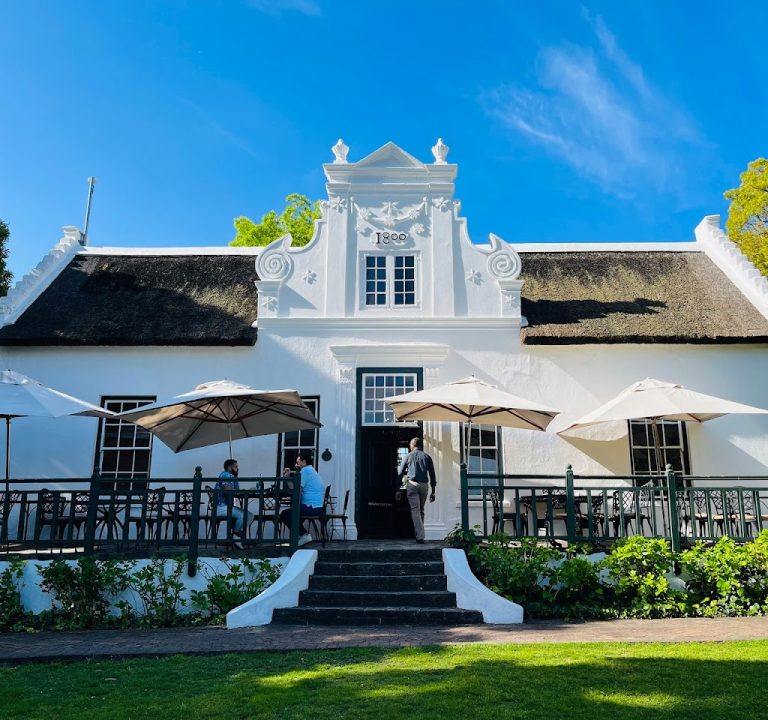
As a regional anchor for oenotourism, the Cape Winelands are easily accessible from Cape Town. One notable example is Zevenwacht Wine Estate, located within reach of the city by road. Its winery setting offers a blend of historic charm and modern facilities, with a focus on relaxed tastings and a sense of place. For more information on visiting wine estates and planning tastings, you can explore the property online at Zevenwacht Wine Estate.
Accommodation planning tips at a glance:
- Book early for peak seasons and major events; consider weekdays for better rates.
- Choose a base with easy access to your must-see sights and reliable transit options.
- Check for flexible cancellation policies in case plans shift.
- Ask about luggage storage if you have day trips before check-in or after check-out.
- Look for properties with on-site parking if you plan to rent a car.
Whether you stay in a stylish boutique hotel with ocean views or a cosy guesthouse tucked into a leafy suburb, Cape Town rewards visitors with cinematic landscapes, a sunny climate, and a rich menu of experiences. With thoughtful planning around where you stay, how you move, and what you sample at mealtimes, you can craft a balanced itinerary that threads together the city’s natural beauty, historic interest, and world-class hospitality.