Jeffreys Bay, Eastern Cape: accommodation tips, attractions and planning your stay
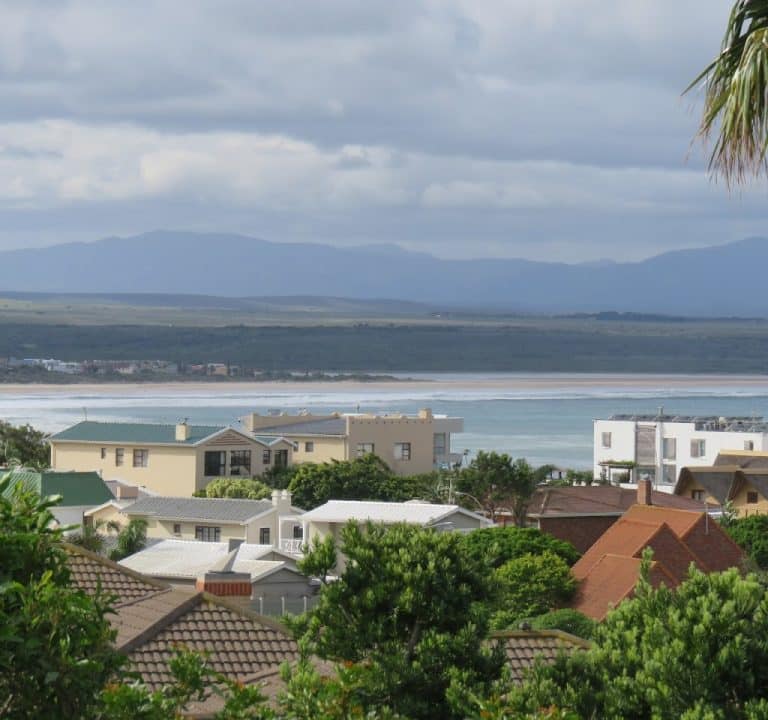
Jeffreys Bay is a laid‑back coastal town famed for its long sandy beaches, reliable surf, and a friendly atmosphere that suits families, groups and solo travellers alike. When planning a stay in this part of the Eastern Cape, you’ll find a range of accommodation options from intimate guesthouses and lodges to self‑catering flats and larger holiday houses. The town’s layout centres on the coastline, with most lodging clustering near the main beach and the town’s centre, so you can choose a location that suits your rhythm—whether you want easy beach access, a quiet residential feel, or proximity to shops and nightlife.
Areas to consider include the beachfront zone for immediate sea access and spectacular sunrises, the town centre for a livelier vibe and convenience, and the inland suburbs for a quieter, more residential atmosphere. If you plan to spend long days on the water or exploring nearby surf breaks, a property within a short walk or drive to the beach will save you time and transit hassle. For those who prefer a more relaxed stay with a touch of nature, look for lodges or guesthouses set slightly back from the shore, offering gardens, pools or sheltered verandas.
Booking considerations to bear in mind include safety, parking, and whether your lodging provides gear storage or equipment washing facilities—handy if you’re into surfing or watersports. Check access to laundry facilities if you’re staying for more than a couple of nights, and confirm whether breakfast is included or available nearby. If you’re travelling with children or older guests, inquire about accessibility options and family‑friendly amenities such as cot availability, secure fencing, or easy beach access.
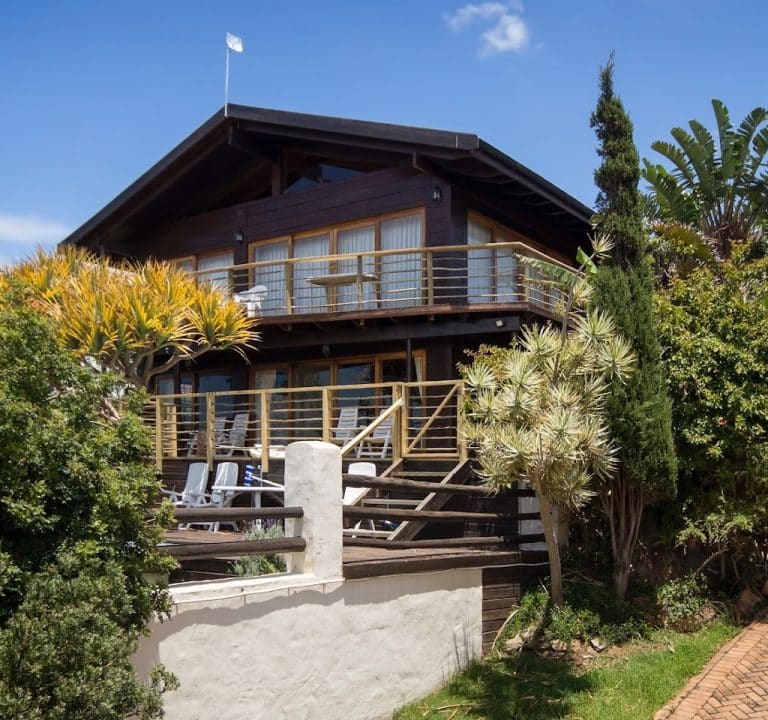
Typical amenities you can expect in Jeffreys Bay include guest‑house style service with daily housekeeping options, well‑equipped kitchens or kitchenettes in self‑catering properties, private patios or balconies with sea views, and Wi‑Fi. Many lodges and guesthouses offer on‑site parking, safe storage for boards and bikes, and areas to relax after a day on the sand. When booking, consider whether you want a private entrance, ensuite bathrooms, air conditioning for summer heat, and a reputable guest‑house host who can share local tips and favoured routes to avoid crowds.
Transport around Jeffreys Bay is straightforward. The town is walkable in and around the centre, and local taxis or rideshare services can help you reach more distant beaches or charming eateries after dark. If you’re exploring beyond Jeffreys Bay, a car remains the most convenient option, with good road connections to nearby nature reserves, coastal viewpoints and small settlements along the coast. If you don’t plan to hire a car, choose a lodging with easy access to taxi routes or shuttle services and close proximity to the beach and town amenities.
The best time to visit Jeffreys Bay depends on what you’re seeking. Peak summer (December to February) brings warm days and lively beach activity, but expect more crowds and higher prices. Autumn and spring offer milder weather, fewer visitors and good surf conditions, while winter (June to August) can be cooler with occasional rain but also generous off‑peak rates for accommodation. If you’re chasing surf, the town hosts a variety of waves throughout the year, so you can plan to catch consistent breaks regardless of the season. Packing sensible layers for cooler evenings and a reliable sunhat for daytime hours will help you stay comfortable whatever the weather.
Practical tips to help you plan your stay: book early during school holidays and major surf events, and read guest reviews focusing on reliability, cleanliness and host responsiveness. Bring or rent a board rack or bag if you’re staying in a property that accommodates gear storage, and check whether your accommodation provides beach towels or requires you to supply your own. Health and safety basics apply as you would in coastal towns—stay hydrated, apply sunscreen, and be mindful of local wildlife and tides along quiet coves and rocky areas.
Besides the sea, Jeffreys Bay offers a relaxed pace and opportunities to enjoy local eateries and casual dining. Expect a range of options from seaside cafés serving light meals and fresh seafood to more substantial restaurants offering hearty South African favourites. Most visitors enjoy bite‑sized meals and coffee breaks between beach activities, but you can also find family‑friendly places with optional menus for children, as well as more refined venues for grown‑ups evenings. If you prefer to cook some meals yourself, many lodges and self‑catering stays provide fully equipped kitchens and dining areas, letting you sample local produce from nearby markets or shops.
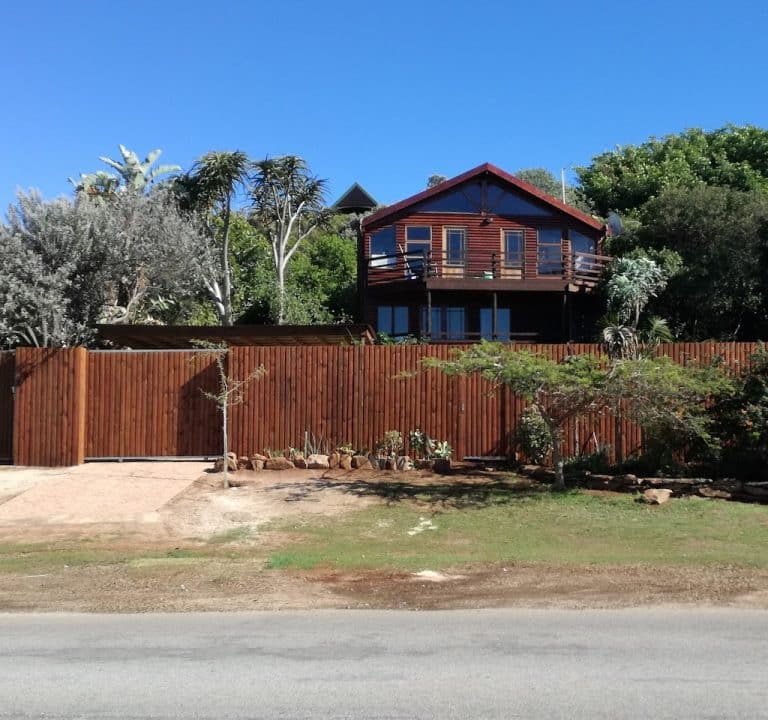
One practical lodging example is Zen Guesthouse, representing the kind of intimate, comfortable option that suits travellers seeking a relaxed home‑base while exploring the area. Such properties often emphasise a personal touch, easy access to beaches, and practical surroundings for surfers, photographers and nature lovers alike. When you choose a stay in Jeffreys Bay, balance distance to the beach with the kind of amenities you value most, such as a private outdoor space, a breakfast offering, or a friendly host who can point you toward the best local routes and viewpoints. For further inspiration and practical planning, you can visit regional tourism pages or official visitor guides to map out a personalised itinerary that blends beach days with short trips to nearby attractions and relaxed evenings in town.
- Location considerations: beachfront, town centre, or inland residential areas
- Booking details: cleanliness, safety, parking, kitchen facilities, and breakfast options
- Amenities: private bathrooms, air conditioning, Wi‑Fi, board storage, and laundry access
- Transport: car hire, taxi services, and walkability to beaches and eateries
- Best time to visit: seasonal weather, crowds, and surf conditions