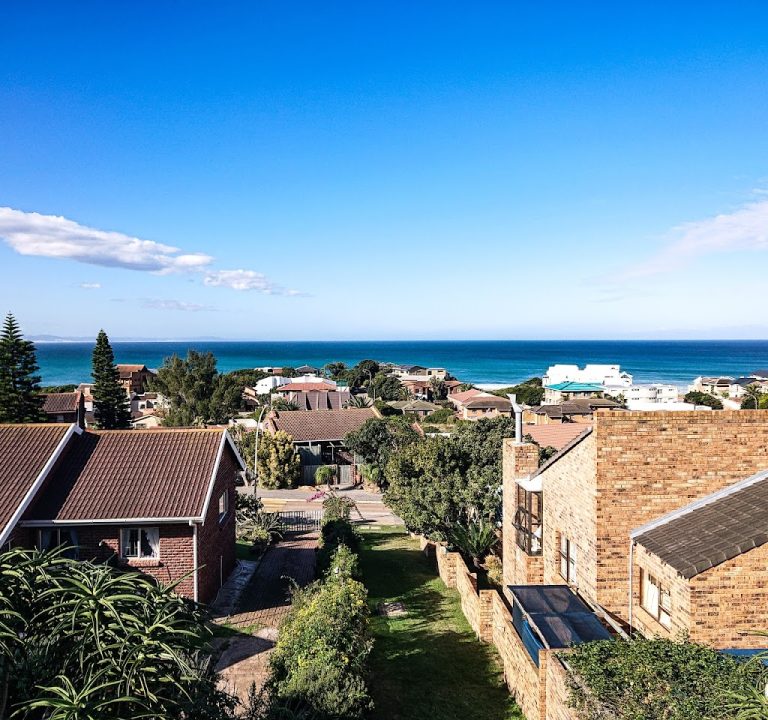
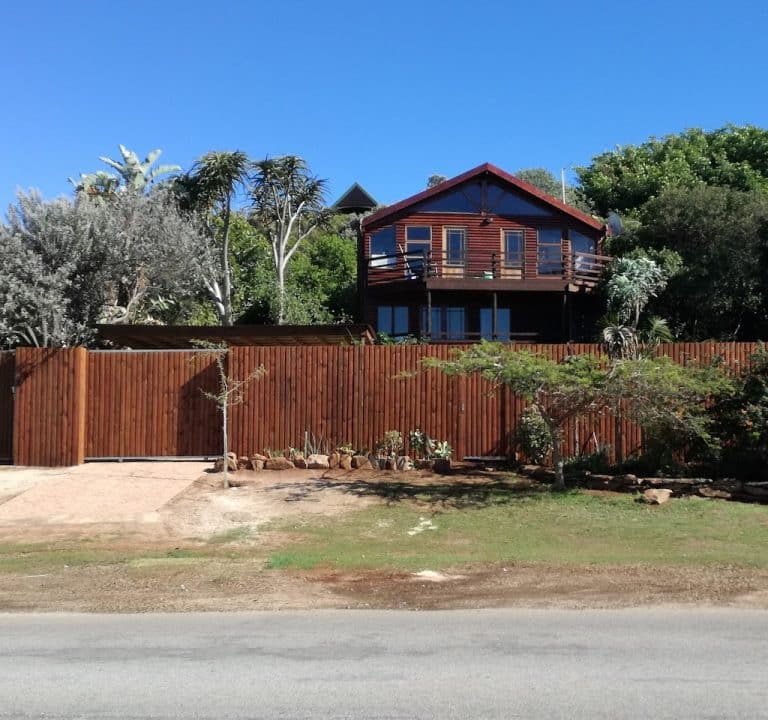
Accommodation and planning a stay in Jeffreys Bay, Eastern Cape
Jeffreys Bay, known for its world‑class surf, golden beaches and relaxed South African hospitality, makes for a versatile destination whether you are chasing waves, family adventures, or a peaceful coastal break. When planning a stay, the key is to think in terms of location, comfort and access to activities, so you can tailor your itinerary to the rhythm of the town and its surroundings.
Areas to consider when booking include the beachfront stretch, where most accommodation offers easy access to the shore and sea views, and the town centre or village pocket, which tends to provide a calmer ambience with convenient access to shops, cafés and eateries. For a more secluded stay, consider hillside or inland lodgings that offer privacy, garden spaces and, in some cases, views across farmland or sub-tropical landscapes. If you’re travelling with family or a group, look for properties with multiple bedrooms, kitchens or self‑catering facilities, and outdoor spaces such as patios or braai areas.
Typical amenities to look for include secure parking, reliable Wi‑Fi, and flexible housekeeping options. Many guesthouses and small hotels in Jeffreys Bay provide breakfast as part of the rate, with some offering additional meals or light lunches. In popular seasons, a quiet room with good soundproofing becomes a valuable feature, particularly for early morning surfers or guests returning late from coastal routes. If you value wellness or outdoor living, seek properties with outdoor showers, pool areas, shaded terraces, and easy access to garden paths or deck seating.
Transport around Jeffreys Bay is straightforward but planning helps you maximise time. The town is walkable in sections, and many accommodation options are within a short drive or taxi ride of the beach, town centre, and supermarkets. If you plan to explore beyond the immediate coastline, rental cars or organised tours provide the most flexibility. Public transport is available but less frequent on the coast, so checking accessibility to your day trips in advance is wise. For those with a keen surfing itinerary, some lodgings arrange equipment storage or provide advice on beach access points and peak tide times.
The best time to visit Jeffreys Bay depends on your aims. The town enjoys warm summers and mild winters, with peak surf seasons bringing a buzz of international and local visitors. If you are seeking quieter periods, consider shoulder seasons when the weather remains pleasant, crowds are smaller, and accommodation may offer better value. Note that coastal weather can be windy and variable, so packing layers, sunscreen and a light rain jacket is sensible year‑round.
Booking with sustainability and authenticity in mind helps you support the local economy and reduce your footprint. Look for independent guesthouses or family‑run lodges that emphasise personal service and community engagement. Reviews can provide insights into the consistency of housekeeping, the attentiveness of staff, the quality of beds and linens, and how well the property handles peak periods. When negotiating a stay, don’t hesitate to ask about late‑check‑out options, local tips, and whether the host can arrange trusted transfers from the airport or a nearby city.
Activities in and around Jeffreys Bay cover a broad spectrum beyond the renowned surfing. Beach days are easy to stack with early morning waves, followed by relaxed lunches in café styles that celebrate fresh seafood and local produce. Coastal walks and nature trails permit wildlife spotting and birdwatching, with viewpoints that capture the sweep of the ocean and surrounding fynbos landscapes. If you’re keen on marine life, guided excursions and conservancy projects offer responsible ways to learn about the local ecosystem. For families, there are gentle recreational alternatives such as paddling, markets, and parks that keep children engaged without sacrificing downtime for adults.
Dining in Jeffreys Bay ranges from casual beachfront eateries to more refined dining rooms, with menus that typically highlight fish, shellfish and other seafood staples, complemented by flavours inspired by regional produce. Many venues embrace a relaxed, sun‑lit vibe that suits climbers between sessions, or travellers seeking an unpretentious supper after a long day on the sand. When planning where to eat, consider proximity to your accommodation and whether a venue offers outdoor seating or indoor comfort, depending on the weather and your mood for dining al fresco.
- Choose accommodation by proximity to the beach if you prioritise early mornings on the sand or a sunset walk after dinner.
- Look for flexible breakfast options and the possibility of on‑site dining or easy access to cafés for convenience.
- Check for easy access to parking, transport links and day trips to nearby reserves or villages.
- Ask about family‑friendly amenities, such as multiple bedrooms, child‑safe spaces, and high chairs or cots if needed.
Practical tips for a smooth stay: pre‑book seasonal activities to secure preferred time slots, and keep a light itinerary that allows for spontaneous beach days. Pack a versatile wardrobe—sun protection by day and a light jumper for cooler evenings. If you bring or rent equipment for watersports, confirm storage and drying areas at your accommodation. Finally, bookmark a couple of reputable local tourism websites or visitor centres for up‑to‑date information on tides, safety alerts and any seasonal events. Jeffreys Bay rewards guests who blend relaxation with curiosity, offering a comfortable base from which to experience one of South Africa’s most laid‑back coastal destinations.