Cape Town: Where to stay, what to do, and how to plan a memorable visit
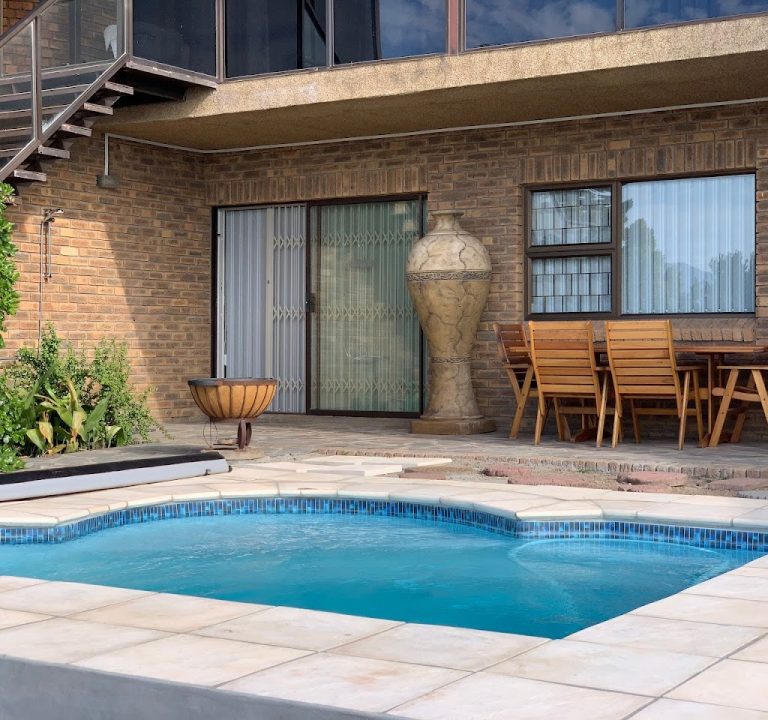
Whether you are seeking a boutique stay in a sunlit guesthouse, a self‑catering apartment with sea views, or a cosy bed in a central neighbourhood, Cape Town offers a wide range of accommodation to suit every traveller. When planning a stay, it helps to think about what you want to wake up to each morning: dramatic mountain scenery, easy access to the city’s historic sites, or a beach‑side setting with a relaxed pace. One example of a guest‑house option is Zaria Sun self catering accommodation, a welcoming base that combines personal service with convenient access to popular areas of the city. Visit their site at http://zaria-sun.com/ for more details and suitability for families, couples or groups.
Areas to consider include the bustling inner city and the Victoria & Alfred Waterfront, which offer easy access to museums, markets and dining. If you prefer a beachy, more laid‑back vibe, the Atlantic Seaboard locations such as Camps Bay and Clifton provide stylish stays with dramatic ocean views. For a neighbourhood with a historic flavour and a creative edge, Woodstock and the neighbouring de Waterkant offer lofts, guesthouses and small hotels framed by lively cafes and galleries. Constantia and the Constantia Valley lie a little further afield, ideal for visitors who want wine country day trips alongside tranquil guesthouses and luxury lodges.
When booking, look for properties that clearly describe what you’ll get. Important details include self‑catering facilities if you plan to cook, on‑site parking, and proximity to public transport. Cape Town’s MyCiTi bus network and Uber/ride‑share services make it feasible to stay in a stylish hub and still reach mountain viewpoints, markets, and beaches without relying entirely on a car. If you’re hiring a car, check whether the property offers secure parking and easy access to main routes toward Table Mountain, the city centre, and the Cape Peninsula’s scenic drives.
Typical amenities that enhance a Cape Town stay include free Wi‑Fi, well‑equipped kitchens or kitchenettes, comfortable living spaces, and convenient access to laundry facilities. Hosts of guesthouses and self‑catering properties often provide thoughtful touches such as local guides, curated maps, and recommendations for neighbourhood walks or sunset viewpoints. For families, multi‑bedroom layouts and flexible checkout times can make a stay smoother; for solo travellers or couples, cosy rooms with a balcony or terrace can be equally appealing. Consider whether you’d like a property with a swimming pool, garden space, or a lounge area where you can mingle with other guests.
Best time to visit Cape Town depends on what you want from the trip. Summers (roughly November to March) are bright and lively, with longer days and beaches at their most inviting. Winter (June to August) can be milder than Europe’s winter, sometimes with rain, but it’s a good time for museum visits, fewer crowds at popular sites, and lush green landscapes after rainfall. Spring and autumn often offer comfortable temperatures, making them excellent for hiking up Table Mountain or enjoying a coastal drive along Chapman’s Peak. If wildlife and penguin viewing are on your list, plan for a broader itinerary that includes nearby nature reserves or the Cape Peninsula route.
Attractions and experiences in Cape Town cover a broad spectrum. You can plan a cable‑car ascent up Table Mountain for panoramic views or venture to the V&A Waterfront for a mix of shops, galleries and eateries by the harbour. The nearby Kirstenbosch National Botanical Garden showcases South Africa’s flora in a spectacular setting, while the verdant Constantia Valley invites wine lovers to explore historic estates and scenic picnic spots. The historic heart of the city, including the colourful Bo‑Kaap neighbourhood, offers rich cultural insights, stories of the city’s past, and opportunities to sample Cape Malay cuisine. For a day trip, the Cape Peninsula drive along the coastal road to the Cape of Good Hope and scenic beaches is a classic plan, with stopping points for photographs and short coastal walks along the way.
Restaurants in Cape Town range from casual bistros to fine dining, many offering seasonal menus inspired by fresh seafood, produce from nearby farms, and South African culinary traditions. In planning meals, you’ll find a variety of options within easy reach of most central or coastal stays, from bustling markets and coffee‑bar eateries to elegant restaurants with harbour views. It’s worth reserving a table when visiting areas with high demand, especially in peak seasons, and to check for seasonal menus that celebrate locally sourced ingredients. If you prefer a self‑cufficient stay, many guesthouses and self‑catering properties provide well‑equipped kitchens and nearby shops with fresh produce to create your own meals.
Practical tips to help you plan smoothly:
- Choose your base based on your priorities: mountain access and city sights, or beachfront tranquillity with easy transport links.
- Confirm what’s included: breakfast, self‑catering facilities, parking, laundry, and Wi‑Fi.
- Check accessibility for any mobility needs, including stair access and elevator availability in larger buildings.
- Budget for both accommodation and experiences, but leave some flexibility for spontaneous discoveries and day trips.
- Pack layers, sun protection, a hat, and comfortable walking shoes for the city’s hills and coastal paths.
In summary, Cape Town rewards visitors who plan with a thoughtful blend of accommodation style, location and experiences. Whether you’re drawn to a stylish city boutique, a cosy guesthouse like Zaria Sun, or a self‑catering option near the coast, you’ll find a comfortable home base for exploring iconic landscapes and diverse neighbourhoods. With careful planning, you can balance scenic days with excellent dining, cultural discoveries, and relaxing downtime—creating a memorable South African escape that feels both restorative and energising.