Stay in Gordon’s Bay: Accommodation and a Gateway to Cape Town’s Western Cape
Gordon’s Bay, perched between the Helderberg and Hottentots-Holland mountain ranges with the Atlantic wind in your favour, offers a relaxed base from which to explore Cape Town and the wider Western Cape. As a guest house destination, it provides a friendly, more intimate alternative to larger hotels, with many properties prioritising personalised service, comfortable communal spaces and easy access to the coast. For travellers seeking a steady rhythm, Gordon’s Bay can feel like a welcome pause before or after full days of sightseeing.
When planning a stay in this region, consider both your preferred pace and your proximity to Cape Town. Gordon’s Bay is well placed for day trips to the Winelands, the Cape’s southern coastline, and the city itself, while offering quieter beaches and scenic coastal walks. If you prefer a more active agenda, you can combine time by the sea with short drives to Kirstenbosch, Table Mountain, or Kalk Bay’s tidal pools. For those who want a balance of rest and exploration, a stay in a guest house or boutique stay can offer both basis and guidance, often with hosts who know hidden spots and local eateries.
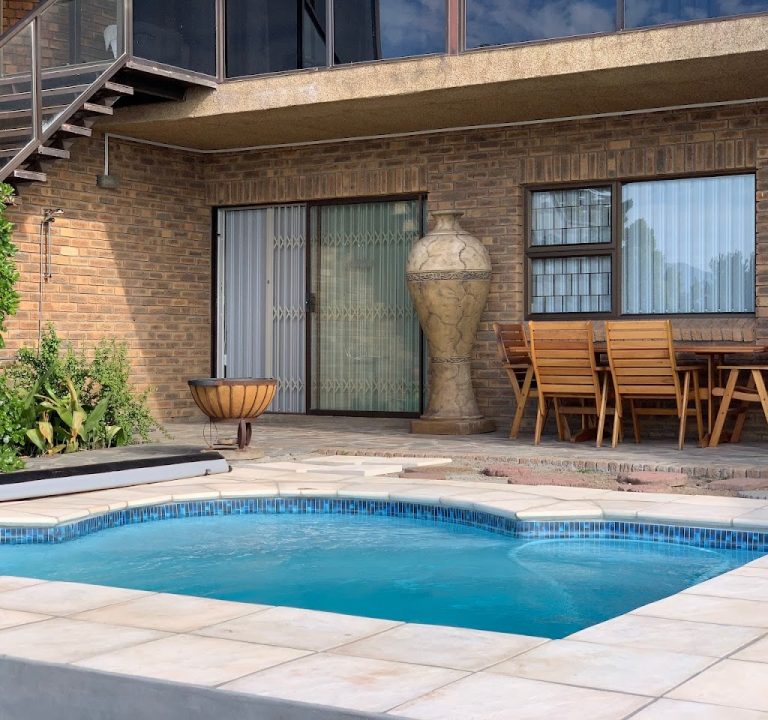
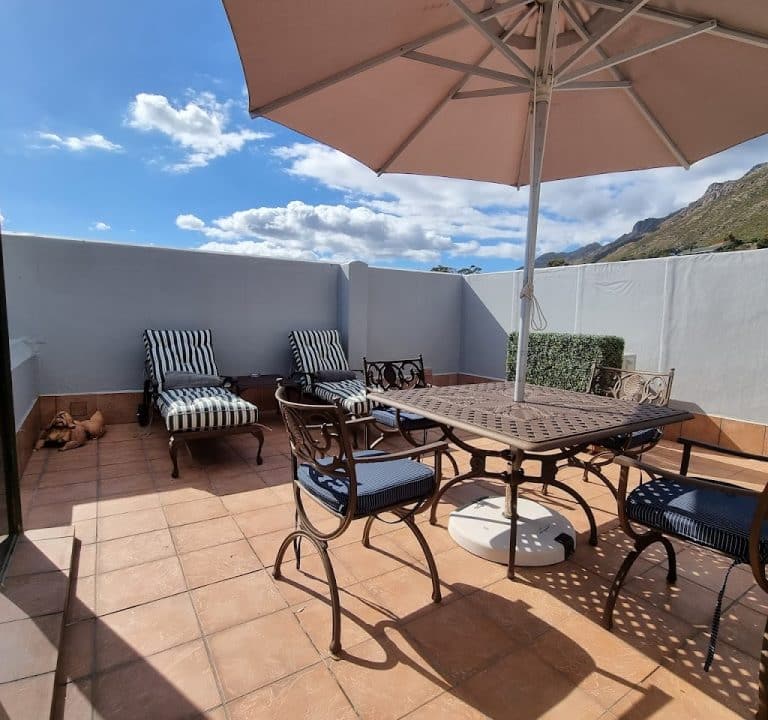
Accommodation in Gordon’s Bay and the wider area ranges from homely guest houses to charming B&Bs and small boutique hotels. A common thread across these options is a focus on hospitality, comfortable bedrooms, and communal spaces where guests can share travel tips or relax after a day of sightseeing. Typical amenities you might encounter include en-suite bathrooms, air conditioning or ceiling fans, Wi‑Fi, quiet gardens or patios, secure parking, and sometimes guest kitchen facilities or a shared lounge. Some properties may offer breakfast with locally sourced ingredients or options for light evening meals, which can be a convenient way to start exploration without curtailing precious time on the move.
Booking considerations are about clarity and convenience. Look for clear descriptions of the room type, bed configuration, and whether the property is suitable for the dates you require. Check access details if you are arriving late or departing early. Many guest houses provide helpful information about nearby shops, beaches and medical facilities, as well as tips for driving routes and parking in peak seasons. If you plan to travel by public transport, verify proximity to bus routes or the local taxi or ride-share options, and confirm whether the property offers secure on-site parking or off-street alternatives. In the Western Cape, some stays are closer to natural attractions or coastal pathways, so it is worth asking about the best routes for morning walks or sunset viewpoints.
Practical planning tips for a satisfying stay:
- Choose air-conditioned or well-ventilated rooms in peak summer, and inquire about heat management in shoulder seasons.
- Confirm whether the rate includes breakfast, and whether dietary requirements can be accommodated.
- Ask about the availability of laundry facilities or services for longer visits.
- Request information on safe routes to the city centre and popular beaches, especially for travellers arriving on weekends or public holidays.
- Review cancellation policies and seasonal pricing so you can adapt plans if weather or events affect availability.
Best time to visit Cape Town and the Western Cape depends on what you want from your trip. The spring and autumn transitional periods often offer mild weather and quieter streets, which can be ideal for coastal walks and vineyard visits. Summer days are long and lively, with beaches and outdoor activities well within reach, while winter brings cooler temperatures and the possibility of Atlantic swells—great for those who enjoy bracing walks or cosy evenings by a fireplace. Keep an eye on regional climate conditions when you book, and consider flexible plans that allow you to pivot between outdoor adventures and indoor experiences if necessary.
Transport around the area can be straightforward but varies with season. A car remains the most flexible option for exploring the Gordons Bay and greater Cape Town region, giving you freedom to hop between beaches, viewpoints and eateries. If you prefer not to drive, look for guest houses that can arrange transfers or recommend reliable local operators. Public transport is available in some parts, but for day trips to the Cape Winelands or beyond, a guided tour or a private arrangement might be more efficient. For evenings out, photo-worthy sunsets and waterfront strolls are pleasant options, with many travellers choosing to walk short distances from their stay to nearby dining spots or cafés.
Nearby attractions and experiences are best enjoyed at a relaxed pace. In the broader Cape Town area, natural landmarks, beaches, and coastal trails offer a mix of scenery and fresh air, while city precincts provide cultural insights and dining variety. Restaurant outings usually focus on fresh seafood, regional produce, and contemporary South African cookery, with many venues offering relaxed, family-friendly atmospheres or intimate, candlelit spaces. When booking restaurant reservations, consider timing to avoid peak crowds, particularly in peak season, and look for venues that showcase locally sourced ingredients or coastal-inspired menus without relying on overbearing pretensions.
For a stay in Gordon’s Bay and a gateway to Cape Town’s treasures, seek properties that balance comfort with local flavour. A thoughtful guest house experience can provide a home-from-home atmosphere, actionable knowledge about the area, and a smooth rhythm to your days. Whether you are gazing at a harbour view, wandering a cliffside path, or planning a day of vineyard hops, your accommodation should complement your plans—serving as a restful foundation from which to explore the wonders of the Western Cape. For more information or to explore stays in Gordon’s Bay, visit the local accommodation listings or trusted travel sites that offer detailed descriptions, guest reviews, and practical booking guidance.