Polokwane, Limpopo: accommodation, planning and experiences for a comfortable stay
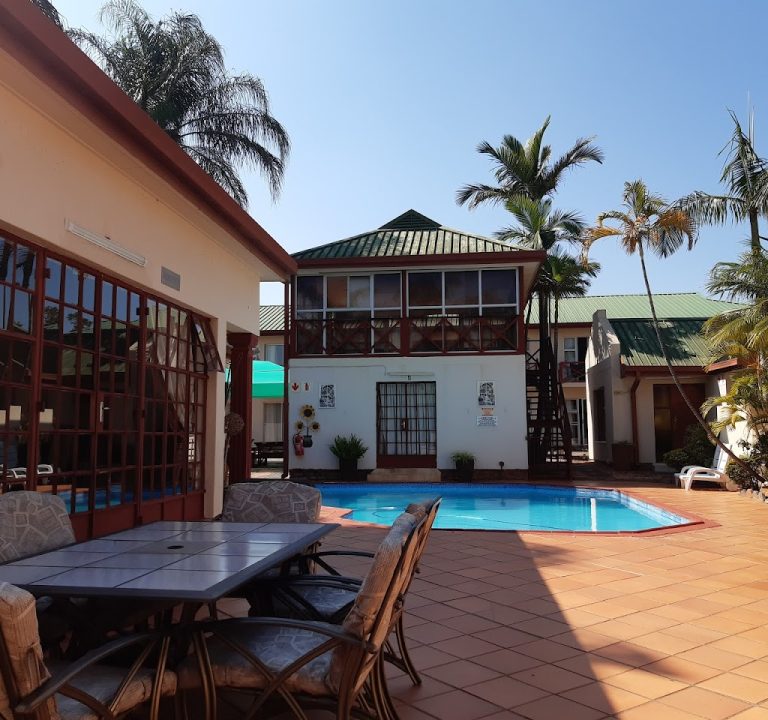
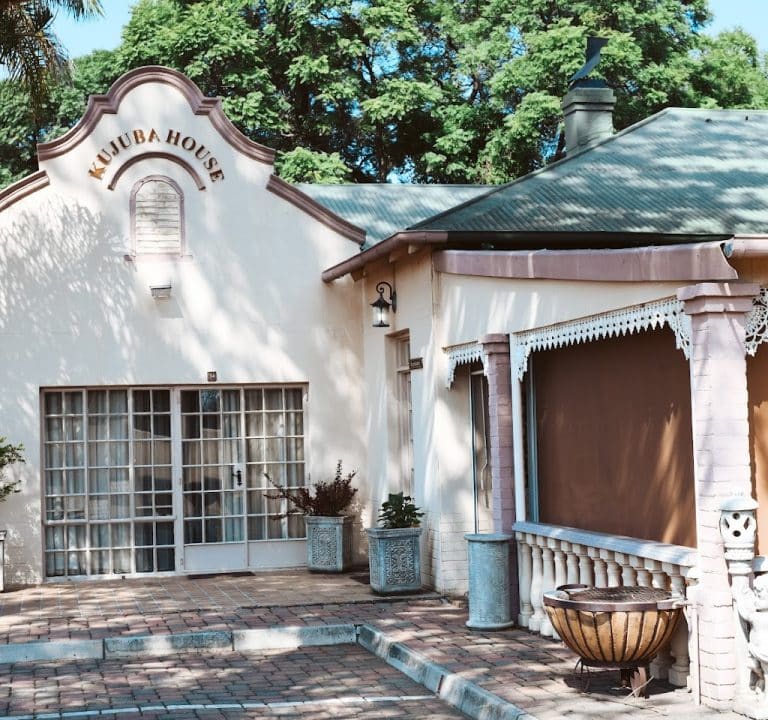
Polokwane, the gateway to Limpopo, blends vibrant urban life with easy access to nature and regional attractions. When choosing where to stay, consider how you plan to move around the city and what kind of environment you prefer — whether you want a modern city centre base, a quiet leafy neighbourhood, or a lodge-style retreat on the outskirts. Popular options range from contemporary hotels and guesthouses to intimate lodges that offer a more personalised experience. For the discerning traveller, a place such as Zanami Lodge can illustrate the range of lodge-style hospitality available within reach of the city’s amenities and nearby day trips.
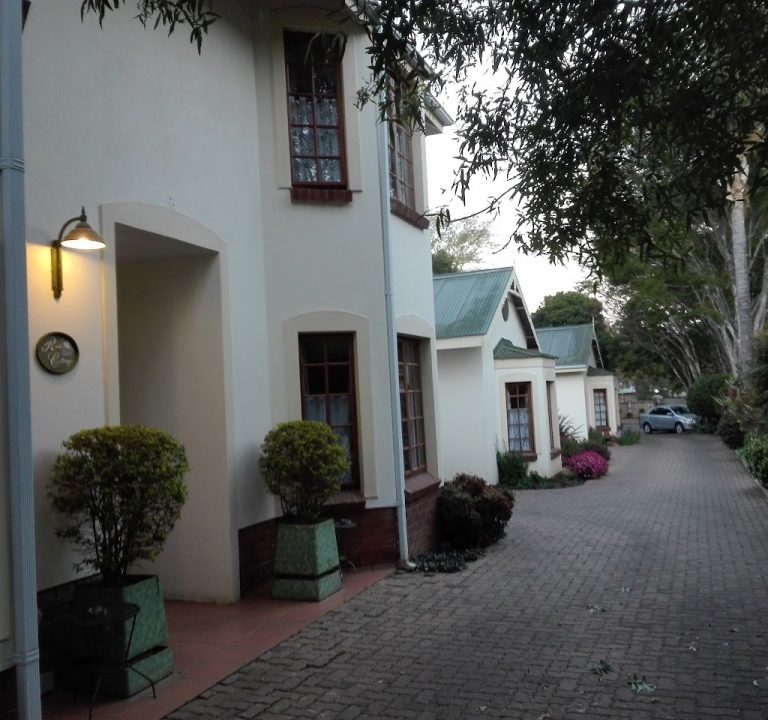
Central Polokwane and the CBD put you within walking distance of shops, markets and restaurants, while northern or southern suburbs often provide a calmer atmosphere and easier parking. If you have a car, a lodge or guesthouse on the outskirts can serve as a peaceful retreat after a day spent exploring. When booking, think about access to a reliable shuttle or convenient transfer options for airport or rail connections, as well as on-site parking facilities if you’re hiring a vehicle. Many properties in the area advertise secure parking and easy access to major routes that connect to regional nature reserves, reserves and other attractions across Limpopo.
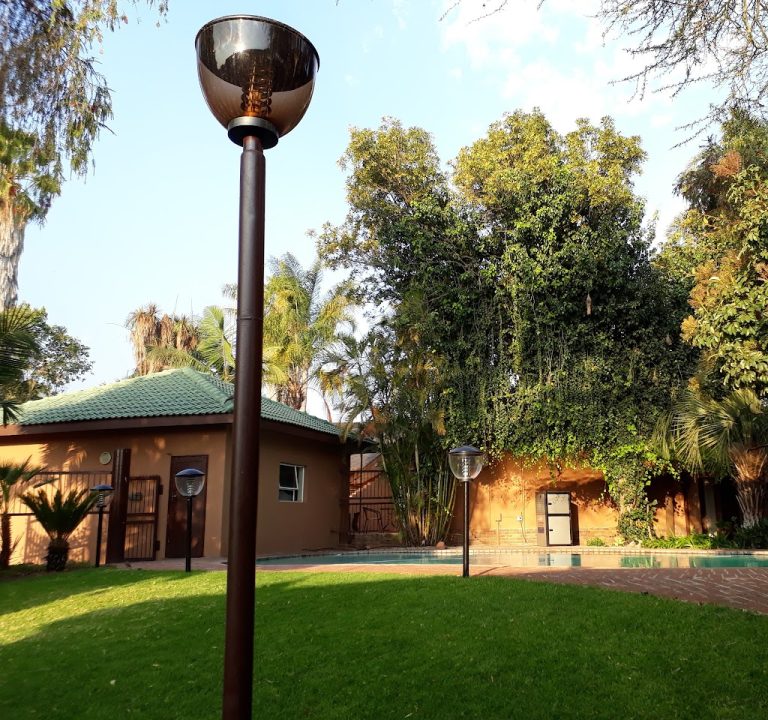
Typical amenities in Polokwane’s accommodation include en-suite bathrooms, air conditioning or fans to cope with seasonal heat, secure parking, and in some cases, Wi‑Fi and self-catering facilities. If you’re travelling for business or with family, look for options that offer business-friendly spaces, family rooms or suites, and flexible dining arrangements. Lodges and guesthouses may provide shared lounges, terraces or gardens, which can be ideal for relaxing after a day of sightseeing. When booking, read guest reviews for practical details such as noise levels, staff service, breakfast options, and the reliability of housekeeping and security features.
In terms of transport, a car is often the most convenient way to explore Polokwane and the surrounding countryside. However, a number of hotels and guesthouses can arrange transfers or provide easy access to taxis and ride-hailing services. If you plan day trips to nearby natural areas or reserves, check whether your accommodation can assist with guided excursions or provide information about self-drive routes. For longer journeys, ensure you have clear directions or a reputable map, as mobile signal can vary in more rural parts of the province.
Best time to visit Polokwane is influenced by the regional climate. The city enjoys warm to hot summers with afternoon thunderstorms and cooler, dry winters. If you favour outdoor activities and safaris, the dry season (roughly May to September) generally offers better wildlife viewing and comfortable daytime temperatures, while evenings can be cooler, so pack a light layer. The shoulder seasons still offer pleasant weather and may bring fewer crowds. Always check current conditions before you travel, as climate patterns can vary from year to year.
Where to stay is only part of the planning. Pair your accommodation with plans for local experiences, dining and cultural enrichment. Polokwane is a good base for exploring Limpopo’s broader landscape, including nearby towns and wildlife attractions, as well as markets and cultural venues within the city. Dining ranges from modern cafés and bistros to traditional eateries offering regional flavours. While specific restaurant names and prices can change, you can expect a mix of casual venues and more refined dining options where seasonal ingredients and regional dishes are highlighted. When choosing places to eat, consider locations that are convenient to your hotel or lodge and offer options for families, groups, or solo travellers, as appropriate.
To help you plan, here are practical considerations to guide your booking and stay:
- Location and access: Choose a base that minimises daily vehicle time and offers easy access to the routes you’ll use for day trips or business meetings.
- Amenities and room type: En-suite facilities, air conditioning, secure parking and reliable Wi‑Fi are popular priorities. For families or groups, look for family rooms or apartments with self-catering options.
- Transport options: Verify whether the property offers airport or rail transfers, and whether on-site parking is secure if you’re driving.
- Time of year: Plan for the climate, packing accordingly for hot days and cool evenings, and be mindful of potential rain if travelling in the wet season.
- Local restrictions and policies: Check current policies on deposits, cancellation terms and guest requirements, particularly if you are travelling outside peak periods.
- Local experiences: See if the property can arrange guided tours, market visits or cultural activities to enrich your stay.
When planning a stay in Polokwane, it is sensible to build in a mix of rest time and exploration. A comfortable base will help you enjoy a relaxed morning before venturing out to markets, museums, or nearby parks and reserves. Evening meals can offer a chance to sample regional flavours and unwind after a day of discovery. With careful planning, your Polokwane trip can balance the convenience of city amenities with the escape and hospitality of a well-chosen lodge or guesthouse, leaving you refreshed and ready to explore all that this part of Limpopo has to offer.