Polokwane, Limpopo: Accommodation, Attractions and Practical Travel Guide
Polokwane, the capital of Limpopo province, blends a relaxed South African city vibe with easy access to nature, wildlife, and vibrant dining. The town serves as a convenient base for exploring the panorama of northern South Africa, with a range of accommodation to suit travellers whether you’re after boutique stays, mid-range comfort, or family-friendly lodges. When planning a stay, consider the area you’ll base yourself in, your preferred pace of travel, and how you’ll move around to maximise your time.
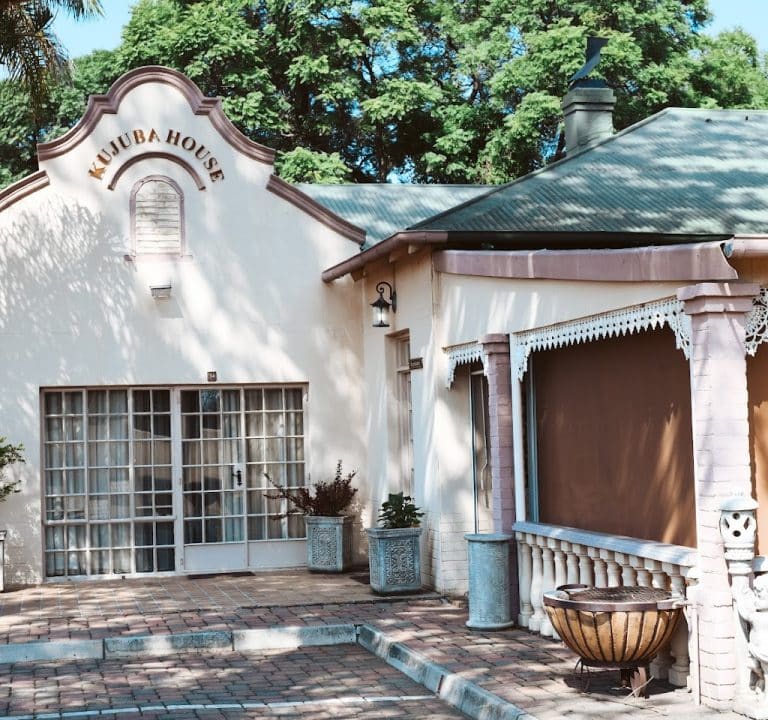
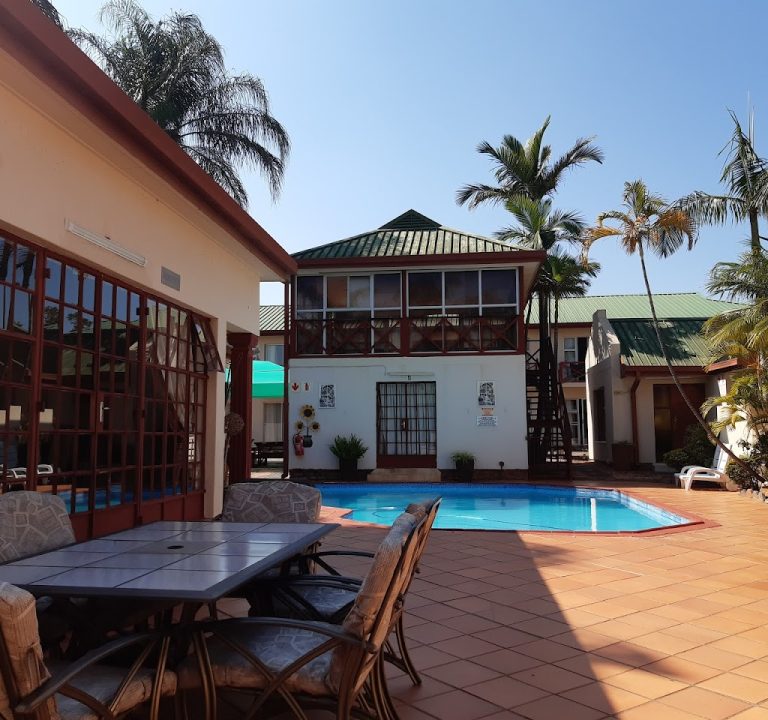
Areas to consider for accommodation include the city centre for easy access to businesses, markets, and transport links; the leafy residential suburbs on the northern side for a quieter retreat and convenient driving routes to surrounding attractions; and nearby lodges or guesthouses set in tranquil estate-like surroundings that can feel a world away from the buzz of the city. For a name you might recognise, Kurumba Lodge offers a stylish option with a focus on guest comfort and clear access to major routes, and their website provides additional details about rooms and facilities: Kurumba Lodge.
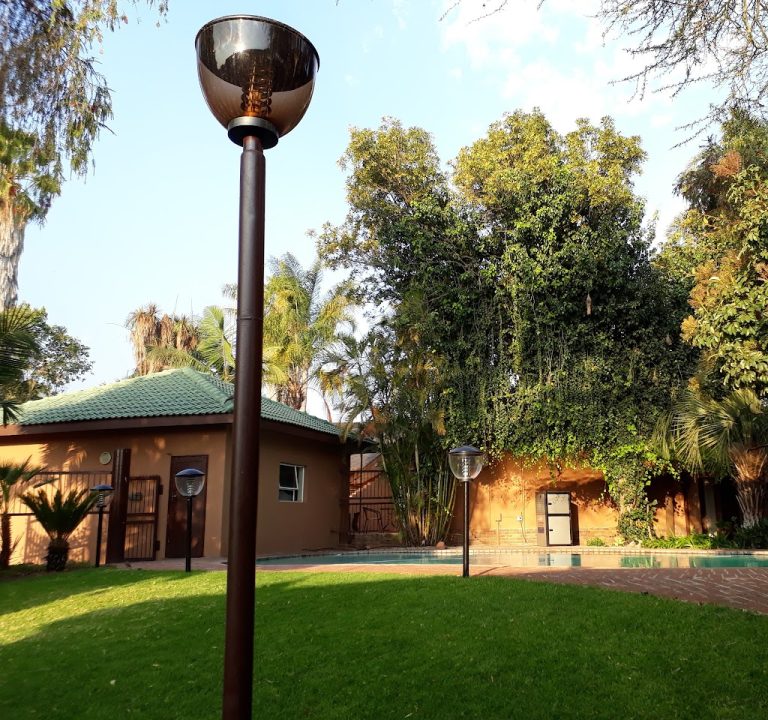
Typical accommodation options in Polokwane range from modern hotels and friendly guesthouses to lodge-style residences and self-catering units. When evaluating options, look for a balance of comfort, convenience, and character. Key amenities often include reliable air conditioning or fans for the warm Limpopo days, secure parking, free Wi‑Fi, a well‑equipped en suite, and on-site dining or kitchen facilities. If you’re travelling with family or a group, spaces with separate bedrooms or living areas can be especially valuable. A quality pool or outdoor space is a bonus for those mid‑day breaks after exploring the town or surrounding reserves.
Transport in Polokwane is straightforward for travellers who hire a car, which is common for visitors exploring Limpopo’s wider attractions. The town is connected by a network of national and regional roads, with the main city centre offering convenient access to shops, markets and eateries. For those who prefer not to drive daily, some accommodation providers offer airport shuttles or local transfers, but it’s wise to confirm arrangements in advance. If you arrive by air, Polokwane International Airport is the most practical entry point, and it can be paired with a short drive to central lodgings or a scenic countryside retreat.
Best time to visit Polokwane hinges on your interests. The region enjoys a warm climate for much of the year, with winter (May to August) providing cooler days and clear skies that are ideal for outdoor exploring and day trips. The summer and rainy seasons bring lush landscapes and more dramatic weather, which some travellers favour for photography and wildlife experiences. If you’re hoping to combine a city stay with nearby natural areas, plan your trip to avoid peak rainfall periods and to align with any local events or markets that enhance the travel experience.
Booking tips to get the most from your stay:
- Check proximity to your planned activities. If you’ll be visiting nature reserves or along routes to other Limpopo towns, staying closer to a main road or hub can cut daily travel time.
- Assess access to dining options. Some properties include breakfast or offer in-house dining, while others are near a cluster of cafés and restaurants—consider what works best for your itinerary.
- Ask about room configurations and privacy. Families and groups may prefer suites with separate living areas; solo travellers often value compact, well‑lit rooms with good security.
- Clarify what is included. Wi‑Fi quality, parking, and daily housekeeping can significantly affect your comfort and budgeting.
- Consider experiences and services. If you plan to stay within the property, look for on-site facilities such as a pool or wellness area; if you want to explore, ensure there is reliable information about guides, tours, or easy access to local attractions.
Attractions and experiences in and around Polokwane lean on a mix of wildlife, culture, and markets. Within the town, you’ll find museums and public spaces that offer a sense of the region’s history and contemporary life. Outside the city, day trips can include wildlife reserves and scenic drives through the Highveld, where landscapes shift with the season. Dining experiences generally reflect a mix of South African flavours and international influences, with many venues emphasising hearty fare, fresh ingredients, and a welcoming atmosphere. For a balanced visit, plan at least one relaxed evening enjoying a hospitable local restaurant, followed by a morning of exploration in a nearby park or reserve.
Practical tips for a smooth stay in Polokwane:
- Pack for a warm day and cool evenings. Even in dry winter, temperatures can drop after sunset, so a light jacket is useful.
- Bring a universal power adaptor; hotel rooms and lodges typically provide multiple sockets for charging devices.
- Carry a small amount of local currency for markets and casual eateries; many places also accept card payments, but it’s safer to have some cash on hand for smaller vendors.
- Respect local customs and wildlife etiquette when visiting parks or reserves, keeping noise levels down and respecting protected areas.
Polokwane offers a practical and varied stay for travellers seeking a base from which to explore Limpopo. From comfortable lodges and contemporary hotels to thoughtfully designed guesthouses, the town supports relaxed itineraries with easy access to natural beauty, markets, and dining. With careful planning—rooted in choosing an area that suits your pace, understanding transport options, and prioritising essential comforts—you can enjoy a well-rounded visit that captures the warmth and welcome of this northern South African region.