Where to Stay and What to Do in Cape Town: A Visitor’s Guide to Accommodation, Attractions and Local Delights
Cape Town offers a diverse mix of places to stay, from intimate bed and breakfasts to stylish boutique hotels and family-run guesthouses. When planning a stay, think about the distance to the city’s key sights, the vibe you want (coastal, hillside, or inner-city), and the pace of your visit. Whether you seek leafy tranquillity, dramatic sea views, or easy access to markets and eateries, there is a choice to suit every traveller.
Neighbourhoods and what they offer. The Atlantic Seaboard areas, including Camps Bay and Bantry Bay, are famed for their beaches, sunrises over the ocean and a cosmopolitan atmosphere with fashionable dining. The Green Point and Sea Point corridor is convenient for the V&A Waterfront, the Cape Town Stadium, and parks, with a lively mix of cafés and bars. The City Bowl and the historic neighbourhoods around Bo-Kaap and the Company’s Garden put you in the heart of museums, markets and a compact grid of restaurants and street life. For a more relaxed, family-friendly base, consider Constantia or the southern suburbs, which are known for wine estates, green scenery and easy exits to the Cape Peninsula drives.
What to look for when booking. Start with proximity to your planned activities, or ease of access to reliable transport routes. If you plan long days outdoors, you may value a guesthouse with a generous breakfast, a comfortable lounge, and parking. For those staying in peak seasons, read recent guest reviews about noise levels, cleanliness, and host responsiveness. Check whether air conditioning or heating is available, particularly if your visit spans different seasons. Some properties offer flexible check-in and self-catering options, while others emphasise a traditional breakfast service and concierge tips for local experiences.
Typical amenities that make a stay easier. A well-run B&B or guesthouse in Cape Town often includes en-suite bathrooms, free Wi‑Fi, a secure parking space, and a guest lounge or courtyard. You might encounter a mix of room configurations from cosy double rooms to family suites. Look for fresh, locally sourced breakfast options, provision for early starts (especially if you’re catching an excursion), and a host who can share insider tips on routes, safaris, and less-touristy eateries. Some places offer guided walks, rooftop terraces, or swimming pools, which can be a real advantage for downtime after day trips.
Transport and getting around. Cape Town is a city best explored with a flexible plan. If you’re staying near the waterfront or central areas, many attractions are walkable or reachable by a short taxi or rideshare ride. The MyCiTi bus network and coastal trains provide affordable options for daytime exploration, while hiring a car offers the freedom to reach places like Chapmans Peak Drive, the Cape Point Nature Reserve, or wine estates in Constantia. When booking, ask hosts about practical arrangements: parking availability, safe drop-off points, and proximity to main routes. If you prefer not to drive, many guesthouses can assist with arranging transfers or guided experiences.
Best time to visit and practical tips. Cape Town’s climate features warm summers (December to February) and mild winters (June to August). Spring and autumn offer pleasant temperatures for hiking and outdoor dining. Peak tourist periods align with school holidays, so plan ahead for popular routes up Table Mountain, or book a harbour cruise and Robben Island ferry well in advance. Practical tips include bringing a light layer for the evenings, sensible footwear for uneven pavements and hills, and sun protection for the summer sun. Always check weather forecasts prior to coastal drives and outdoor activities, and be mindful of seasonal wind and wave conditions when in coastal areas.
Attractions and experiences in broad terms. Cape Town is a gateway to remarkable landscapes and cultural experiences. Day trips often include iconic viewpoints along the Atlantic seaboard, nature reserves with scenic hiking trails, and panoramic drives along the coastline. In the city, venues commonly offer museums, galleries, local markets, and street-food stalls with regional flavours. For those seeking a more curated experience, many accommodation providers can suggest guided tours, with options ranging from winelands days to wildlife encounters and scenic coastal walks. For diners, the city presents a spectrum of kitchen styles—from classic South African favourites to contemporary international cuisine—presenting opportunities to sample vibrant food scenes without committing to specific names here.
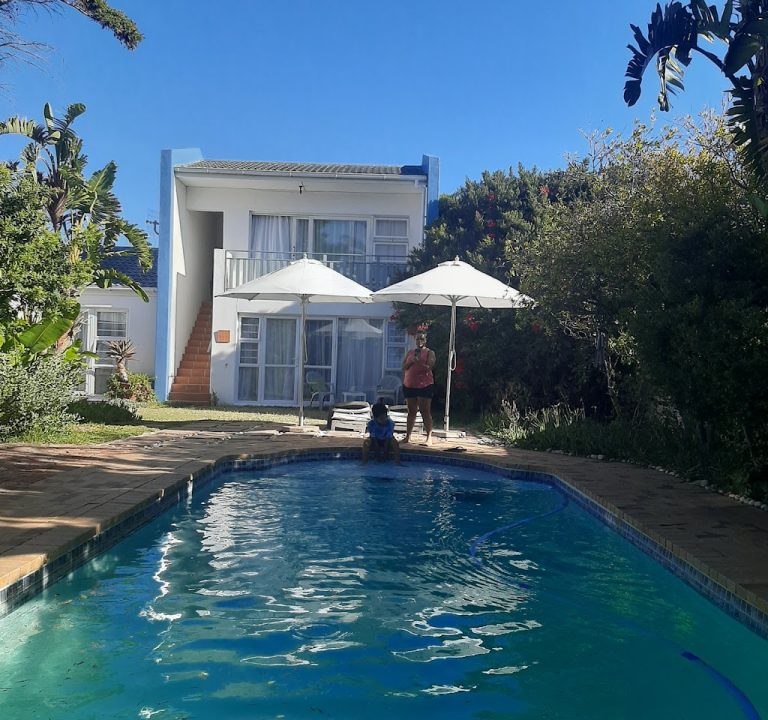
Spotlight accommodation: Zagorski Bed And Breakfast. A recently discussed option in the region features the hospitality of a traditional B&B, with a focus on comfort and attentive service. It provides a convenient reference point for visitors exploring Cape Town and its surrounding areas. For travellers interested in this type of stay, more information and booking details can be found on the property’s website at Zagorski Bed And Breakfast.
- Plan a balanced itinerary that mixes iconic sights with slower mornings at your base
- Prioritise convenient access to transport links for day trips
- Choose accommodation with a reliable breakfast and friendly local recommendations
- Pack adaptable layers for variable weather and sunny coastal days
In short, Cape Town rewards thoughtful planning and an eye for local charm. By selecting a well-situated base, prioritising practical amenities, and coupling your stay with varied experiences—from markets and museums to scenic coastal drives and world-class eateries—you can craft a memorable visit that blends spectacular scenery with the warmth of South African hospitality.