Staying in Cape Town: where to stay, how to plan, and what to discover
Cape Town offers a diverse range of accommodation, from cosy guesthouses and boutique B&Bs to contemporary city apartments and riverside lodges. When planning a stay, think about what kind of neighbourhood will suit your plans, how much time you want for sightseeing, and how you prefer to move around the city. The rugged beauty of the surrounding coastline is matched by convenient transport links, making it relatively straightforward to combine city exploration with day trips to the winelands, the Cape Peninsula, or the Atlantic coast.
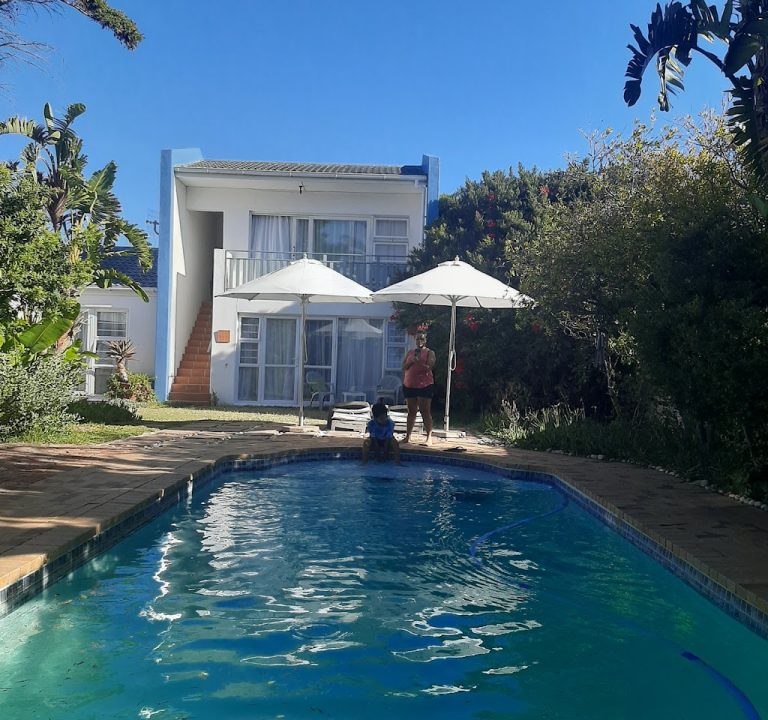
Neighbourhoods to consider include the vibrant City Bowl, where many boutique stays and self‑catering apartments sit within easy reach of museums, markets, and restaurant scenes; the Atlantic Seaboard, known for scenic drives, beaches, and upmarket lodgings with sea views; and Constantia or the Southern Suburbs for leafy tranquillity and easy access to wine estates and mountain trails. If you’re after something more budget‑friendly or family oriented, neighbourhoods near railway hubs and tram stops provide straightforward access to the city centre and surrounding areas. For a short break or a longer stay, Raven House exemplifies indoor lodging options that may suit travellers seeking comfort and convenience in well‑located areas.
When booking, consider these practical factors to help you secure a stay that matches your needs:
- Proximity to sights you plan to visit, and whether you’ll rely on public transport, taxis, or car hire
- Accessibility for stairs, lifts, and other mobility considerations
- On‑site facilities such as free Wi‑Fi, breakfast options, parking, and 24‑hour reception
- Flexibility of cancellation policies and minimum stay requirements
- House rules regarding quiet hours, shared spaces, and guest access
Typical amenities in Cape Town accommodation include private bathrooms, well‑equipped kitchenettes, and climate control for the coastal breeze or inland heat. Many options offer views of the mountain or ocean, or tranquil courtyards where you can relax after a day of sightseeing. Expect reliable security, with controlled access and well‑lit streets nearby, particularly in central and waterfront areas. Some properties provide concierge services, guided‑tour assistance, or curated local recommendations to help you make the most of your stay.
Transport in Cape Town is straightforward for most visitors. A hop‑on, hop‑off approach to sightseeing is popular for first‑timers, while the City Bowl and Atlantic Seaboard are well served by rideshare apps and local taxis. The MyCiTi bus network covers major routes across the city, and car hire remains convenient for day trips to the Cape Winelands, Groot Constantia or other wine estates, and the scenic drives along Chapman's Peak or the Atlantic coast. If you plan to venture to Robben Island or Table Mountain, check the availability of pre‑booked tours, as popular experiences can sell out, especially in peak seasons. Parking can be limited in busy districts, so consider accommodation that offers on‑site or secure parking if you’re driving.
The best time to visit Cape Town depends on what you want from your trip. Summers (December to February) are warm and sunny, ideal for beach days and outdoor dining, but can be busy. Spring (September to November) and autumn (March to May) offer mild weather and quieter streets, great for exploring Table Mountain, Kirstenbosch Garden, and coastal trails without the peak crowds. Winters (June to August) are cooler and wetter, but the city’s indoor attractions, markets, museums, and dining scenes stay lively. Always check local forecasts and plan for sudden afternoon showers when hiking or strolling along the coastline.
When it comes to attractions and experiences, Cape Town balances world‑class natural scenery with cultural richness. Iconic highlights include panoramic views from historic mountain outlooks, dramatic coastal viewpoints along the Atlantic coast, and accessible nature reserves on the surrounding hills. Core experiences often revolve around views, walks, and photography, as well as exploring vibrant markets, galleries, and eateries. If you intend to mix culture with cuisine, allow time for informal meals in neighbourhoods where small bistros and casual eateries showcase South Africa’s diverse flavours, from fresh seafood to seasonal produce and modern takes on classic dishes. For wine lovers, day trips to nearby estates in the Cape Winelands offer structured tastings and heritage estates to explore, with various return options to suit day‑planning needs.
For planning resources, many travellers begin with official tourism sites that provide neighbourhood guides, practical tips, and sample itineraries. These can help you estimate travel times between a chosen base and major sights, as well as identify dining precincts and markets that align with your interests. If you’re staying in a boutique or independent property, take advantage of any guest services or partnerships they offer—local guides, walking routes, or seasonal recommendations can save time and enhance your stay. For more ideas and practical planning, published guides and reputable online resources can be useful when you’re mapping out a Cape Town itinerary.
In summary, Cape Town is a city of contrasts where your stay can be quiet and restorative or lively and culinary‑driven. By choosing a well‑situated base, asking the right questions during booking, and balancing mountain, coast, and city experiences, you can craft a memorable visit that fits your pace and interests. If you plan ahead, you’ll discover that the city rewards both early starts for sunrise views and leisurely evenings to savour the streets’ aromas, flavours, and hospitality. For ideas and practical planning, you can explore official tourism resources and browse accommodation options that align with the style and pace you’re seeking.