Riebeek-Kasteel: A Traveller’s Guide to Accommodation and Experiences
Nestled in the Cape Winelands, the historic village of Riebeek-Kasteel offers a relaxed base for exploring the Western Cape’s rich landscape, from rolling vineyards to rugged mountain scenery. Whether you prefer a cosy B&B, a boutique inn, or a self-catering cottage, the area provides a range of accommodation that places comfort and character at the forefront. Planning a stay here is as much about pacing as it is about sight-seeing, with many options built around the slow rhythms of village life and the nearby swaths of vineyards and olive groves.
When considering where to stay, think about access, atmosphere and your daily itinerary. The village core is compact and walkable, with a cluster of eateries, a craft scene, and easy access to surrounding farms. If you plan daily winery visits, look for lodgings with convenient routes to the Riebeek Valley’s cellar doors, and consider a base slightly outside the town centre for a quieter environment. For those who want a more rural experience, guesthouses and cottages on the edge of the valley offer scenic views and private outdoor spaces.
Areas to consider include:
- The village centre: ideal for travellers who value walkability, rustic architecture, and easy access to cafés and shops.
- Outskirts and hillside positions: offer expansive views, tranquil surroundings, and greater privacy, often with gardens and balconies or verandas.
- Wine valley route: some properties are positioned along quiet lanes, handy for day trips to cellar doors and olive presses.
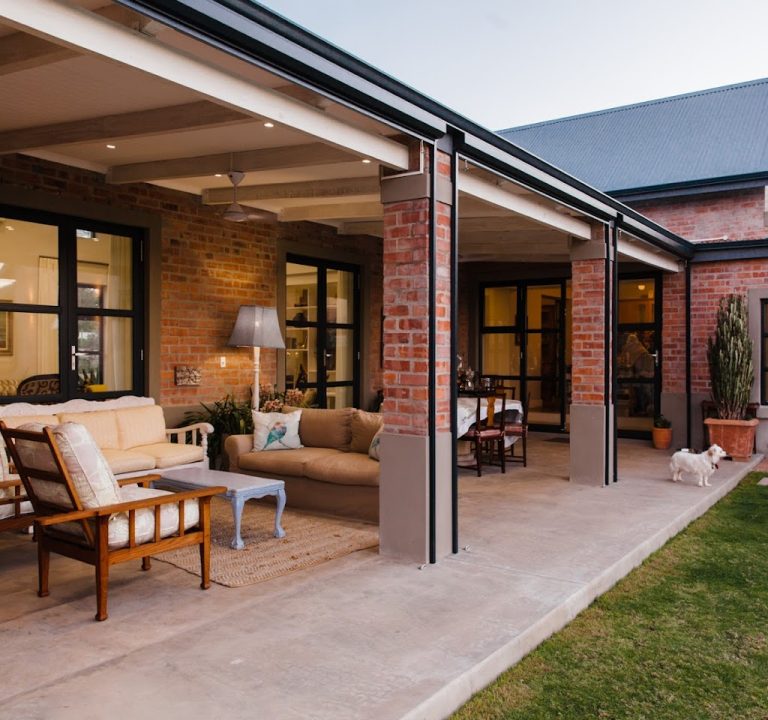
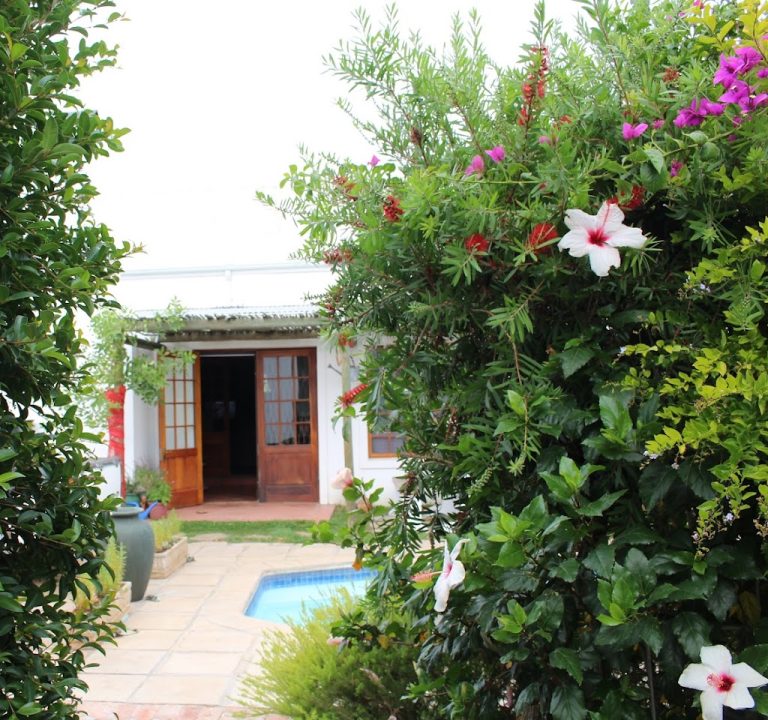
Typical accommodations in Riebeek-Kasteel span charming B&Bs, family-run guesthouses and self-catering cottages. Common amenities include en-suite bathrooms, Wi-Fi, tea and coffee facilities, and secure parking. Many properties feature outdoor spaces—courtyards, terraces or courtyards with seating—that invite relaxed evenings under the Karoo sky. If you are travelling with family or a group, look for larger suites or two-bedroom units with kitchen facilities. For those seeking a boutique experience, some smaller properties emphasise personalised service, with hosts ready to share regional tips and routes for scenic walks.
Booking tips that can help you secure a comfortable stay:
- Read recent guest reviews to gauge reliability, cleanliness and the warmth of hospitality.
- Check cancellation policies and seasonal rates, particularly around harvest and public holidays when demand can rise.
- Assess whether breakfast is included or available as an optional extra, and whether dietary needs can be accommodated.
- Consider proximity to your planned activities—walking distance to town conveniences vs. a more secluded setting with a view.
- Ask about the hosts’ recommendations for local experiences, such as winery visits, olive oil tastings, and nature walks.
Transport in and around Riebeek-Kasteel tends to be modest, with many visitors relying on private cars. A car allows greater freedom to explore vineyard routes and neighbouring towns, especially if you plan to visit several cellar doors. If you prefer not to drive, check whether your accommodation offers shuttle services or can arrange a local driver for day trips. The roads are well maintained, but some rural lanes can be narrow or winding, so comfortable driving is a sensible consideration for first-time visitors.
The best time to visit the Riebeek-Kasteel area depends on what you want from your trip. Spring and autumn offer pleasant temperatures for strolling the streets, outdoor dining, and wine-tasting rounds, with fewer crowds than the peak summer months. In late winter and early spring, orchard and vineyard landscapes can be particularly green and photogenic. Summer can be warm, so plan outdoor activities for early mornings or late afternoons, and seek shade or indoor options during peak heat. If you enjoy olive harvest or grape harvest atmospheres, plan ahead to align your stay with seasonal activities or local markets—these experiences tend to be intimate, with a strong sense of place rather than mass tourism.
What to look for when choosing accommodation extends beyond comfort. Consider the following practical aspects:
- Security and parking arrangements, especially if you are exploring with a rental car.
- Sound insulation and quiet hours, which contribute to a restful stay in a village environment.
- Accessibility features if needed, such as ground-floor rooms or ramps for guests with limited mobility.
- On-site dining options or the proximity of good, local eateries for easy evening meals.
- Access to outdoor spaces, which are particularly valued for enjoying the fresh air and views after a day of exploration.
In addition to accommodation, the area offers a variety of visitor experiences that suit a relaxed itinerary. You might spend a day touring cellar doors at a gentle pace, sampling local wines and olive oils, or taking easy country walks that reveal the region’s natural beauty. When it comes to dining, expect rustic, honest kitchen fare that celebrates regional produce, served in cosy rooms with warm hospitality. Local markets may offer seasonal produce and crafts, providing a sense of the community’s everyday rhythm.
Before you travel, map out a loose plan that balances rest with gentle adventure. Allow time for spontaneous stops, whether it is a scenic overlook, a shaded spot for a picnic, or a friendly café where you can linger over a pastry and a cup of tea. A well-chosen stay in Riebeek-Kasteel blends comfortable accommodation with easy access to the region’s landscapes and flavours, making for a charming, restorative visit in the Western Cape.