Accommodation and Experiences in Riebeek-Kasteel, Western Cape
Riebeek-Kasteel is a small, sun-washed town in the Western Cape that draws visitors with its historic charm, olive groves and warm hospitality. A stay here blends intimate guesthouses with countryside farms and self‑catering options, all set against the scenic backdrop of the Kasteelberg. When planning your visit, think about where you want to base yourself—the village core offers easy access to cafes and shops, while surrounding farms and estates provide a more tranquil, rurally immersive experience.
Areas to consider for your stay. The heart of Riebeek-Kasteel is a compact, walkable village where many guesthouses, B&Bs and boutique stays are located. Staying centrally makes it simple to wander to art galleries, bakeries, delis and daily market stalls. For a more relaxed pace, look to the outskirts where olive estates or vineyard settings offer generous lots, quiet lanes and views of rolling valleys. If you’re visiting with family or a group, self‑catering cottages or holiday homes on larger plots can provide a comfortable home base with privacy and outdoor space.
What to look for when booking. Consider the rhythm of your days: is a more remote, countryside option appealing or do you want doorstep access to village amenities? Check for features such as private entrances or separate living spaces if you’re travelling with others, and whether breakfast is included or if you’ll be self‑c catering. Look for hosts who can offer local tips on walking trails, scenic drives, and farm stalls. For hillier settings, confirm whether there is easy parking and whether access includes on‑site guidance or maps, especially if you plan to explore rural roads.
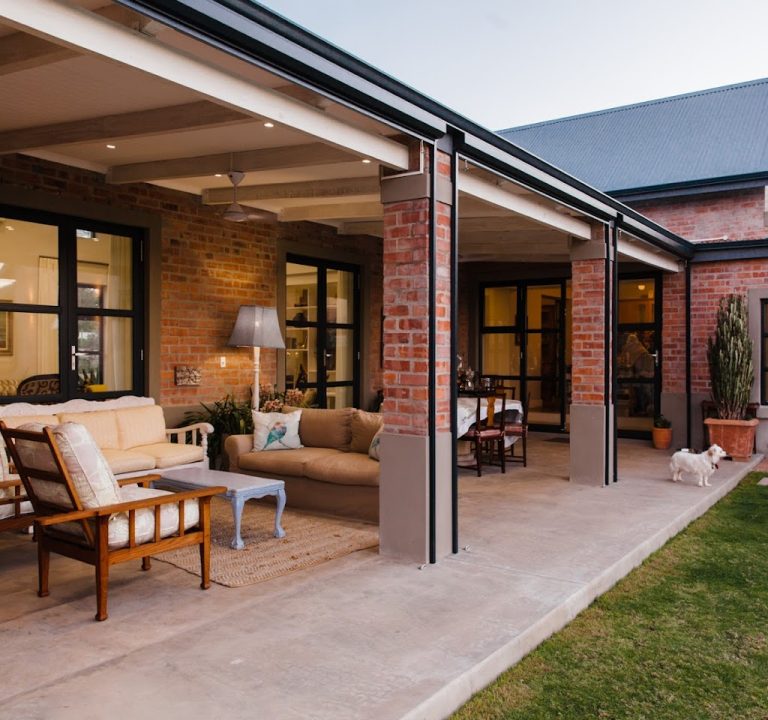
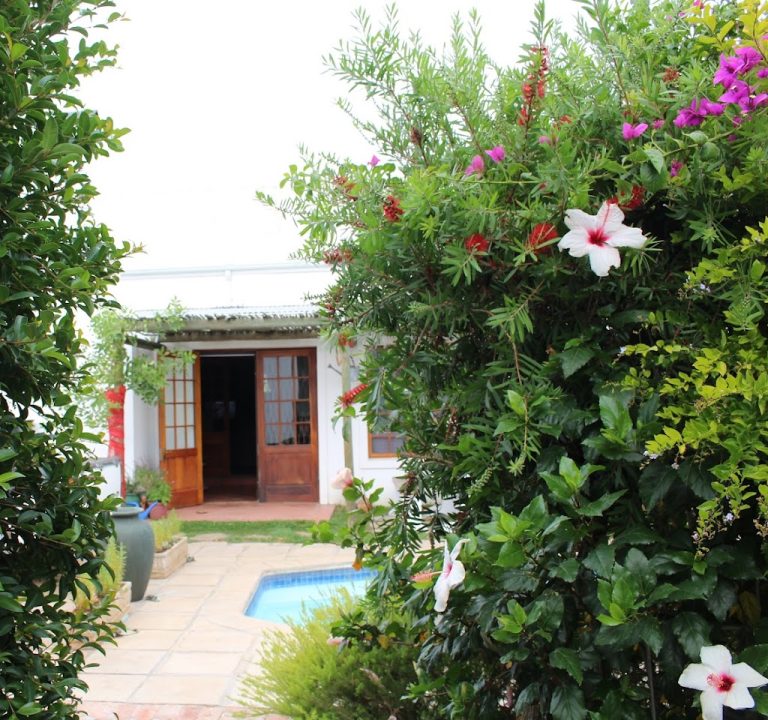
Typical amenities you might encounter. In Riebeek-Kasteel, guests often find a mix of cosy rooms and self‑contained units with en‑suite bathrooms, comfortable beds and well‑equipped kitchens or kitchenettes. Outdoor spaces are common, from patios with seating to shared gardens and sometimes pools or braai areas for social evenings. Many properties provide Wi‑Fi, secure parking, and information folders with local recommendations. If you’re travelling with children, look for family‑friendly layouts, such as separate bedrooms and safe play areas. Pet‑friendly options exist in some locations, but it’s best to check ahead of time.
Transport and access. The town is best reached by road from Cape Town and surrounding towns, with a scenic drive that makes the journey part of the holiday. A car is the most convenient way to explore the region, as there are many olive estates and vineyard viewpoints a short hop from the village. If you prefer not to drive, it’s worth asking your accommodation about local transfer options or guided day trips that can include winery visits, olive tastings and stops at artisans’ workshops. However you choose to travel, plan your routes ahead of time and factor in time for scenic detours and photo stops.
Best time to visit. The Western Cape climate is marked by warm summers and mild winters, with spring (September to November) and autumn (March to May) offering pleasant temperatures and clearer light for photography and strolling. These seasons are ideal for walking along the valley lanes, visiting markets and tasting rooms without the peak‑season crowds. Winter can be cooler and wetter, but the olive harvest period and cosy guesthouses provide a different, intimate atmosphere. Summer brings longer days and farm stall produce at its freshest, so plan for outdoor meals and sunset viewpoints if you’re visiting then.
Planning tips for a smooth stay. Start by choosing a base that aligns with your interests—village conveniences for easy meals and strolling, or a rural setting for quiet mornings and wider valley views. Bring comfortable walking shoes for easy strolls along shaded lanes and around the olive groves, and a light jacket for evenings. If you’re self‑catering, verify what utensils and kitchenware are provided and whether there are shops within walking distance for fresh bread, cheeses and local produce. Check ahead for farmers’ markets or art events that may be scheduled during your visit, and ask hosts for recommendations on scenic drives, winery experiences and gallery openings. It’s wise to book accommodation with flexible cancellation policies, given occasional weather shifts or changes in travel plans.
Attractions and experiences in general terms. While in the area, you’ll find a serene landscape ideal for day trips and short walks, with red‑earth lanes, high olive trees and occasional farm stalls selling preserves and olive oils. Arts, crafts and local gastronomy are part of the appeal, with galleries and small eateries offering a taste of the region’s character. Visitors frequently arrange tastings or tours at nearby estates, where you can learn about olive oil production and the region’s wine heritage, all set within a landscape that invites slow, lingering exploration.
Practical notes. Be mindful of weather changes and sun exposure, particularly during peak midday hours. Respect private estates and farm entrances when walking or driving, and follow local recycling and waste guidelines where posted. If you’re curious about local customs or history, your accommodation host can provide insightful background and pointers to the best viewpoints, walking routes and family‑friendly activities. For more information on the wider area and suggested itineraries, you can explore regional tourism resources online.
- Typical stay length: weekends or longer getaways work well for a relaxed pace.
- Accessibility: check property accessibility if mobility is a concern.
- Food and drink: consider properties offering local produce or close‑by farm shops.
Planning a visit to Riebeek‑Kasteel means balancing charming village life with countryside tranquillity. With thoughtful accommodation choices and a flexible itinerary, you can enjoy a restorative break in this small but characterful part of the Western Cape. For more general information about the region and tourism options, you may wish to consult official local or provincial sources and the relevant accommodation websites.