Exploring Sabie: Where to stay, what to do, and practical planning tips
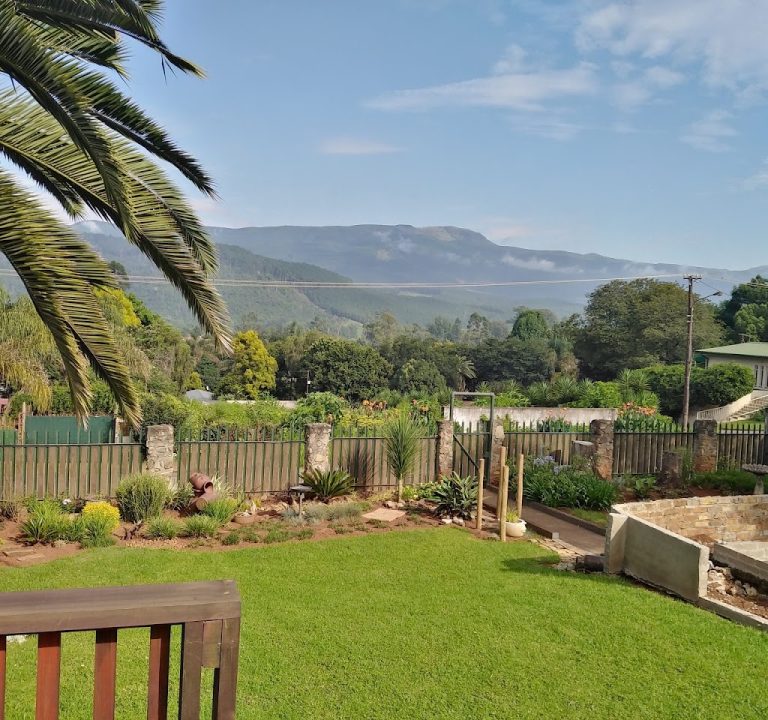
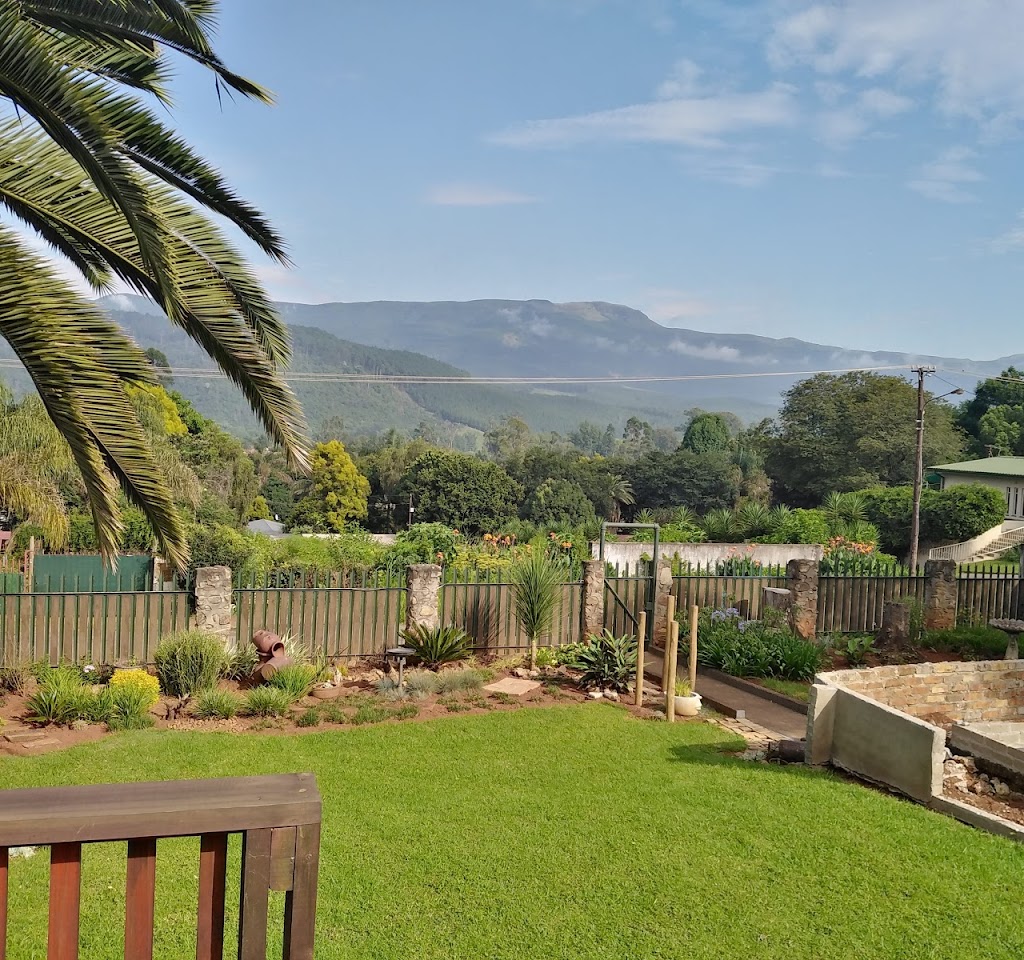
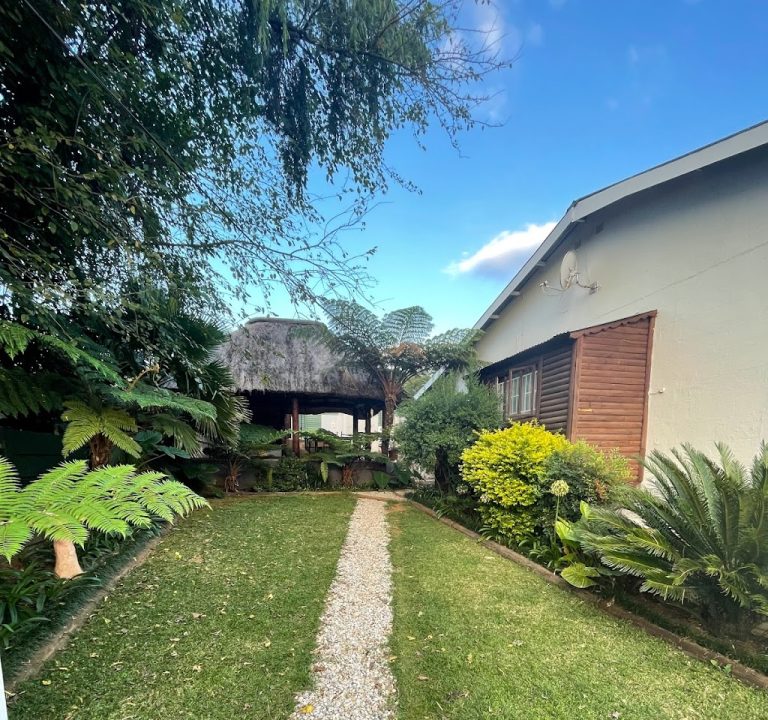
Nestled in the Mpumalanga Lowveld, Sabie is a practical base for travellers seeking easy access to forested escarpment trails, scenic drives and golden opportunities for outdoor adventures. The town itself offers a cosy range of accommodation options that suit different budgets and travel styles, from intimate guesthouses to comfortable lodges and self-catering cottages. One local example is Wonderview Guesthouse, a Gastehuis that blends countryside charm with a convenient location for exploring the region. While researching where to stay, think about your priorities—proximity to nature, quietness, or convenient town access—and plan accordingly.
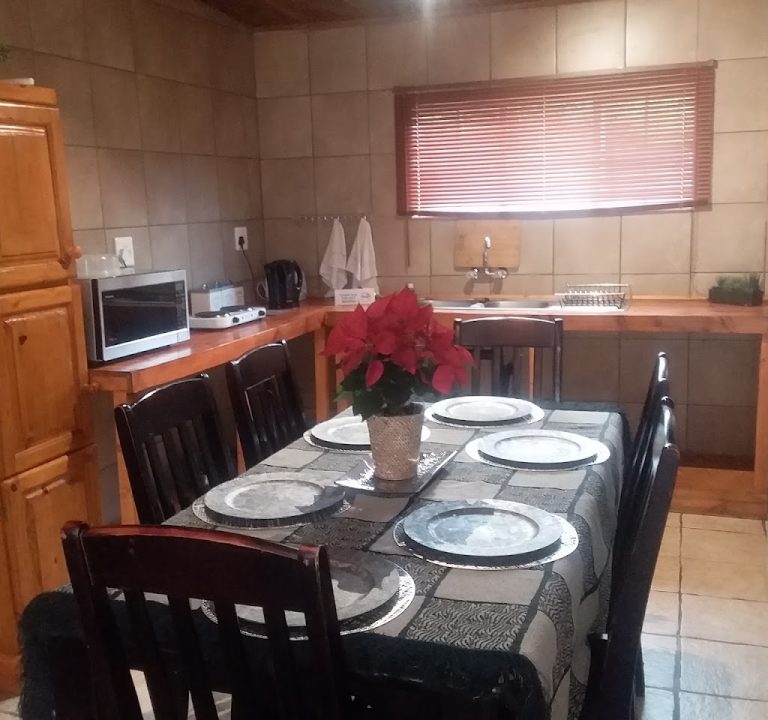
Areas to consider when booking your Sabie stay include the heart of Sabie town, which provides easy access to shops, cafés and starting points for day trips. For a more tranquil, countryside feel, look for guesthouses or lodges on the outskirts where you can wake to birdsong and have sweeping views of the surrounding mountains. If you’re visiting with family or a group, self-catering cottages or larger guest rooms can offer real value and flexibility, while boutique options may charm you with personalised service and thoughtful little extras. In all cases, check how close your chosen base is to the attractions you want to visit and whether there is convenient transport nearby.
Typical amenities to look for include en-suite bathrooms, reliable heating or cooling, secure parking, and clear policies around check-in times. A good guesthouse or lodge will also provide guest information about local routes, weather considerations and safety tips for the surrounding forests. Some properties offer communal lounges, outdoor seating areas or balconies with views, which can be especially pleasant after a day of exploring. If you’re planning to use Sabie as a springboard for day trips, confirm whether the accommodation can assist with early starts, packed lunches, or arranging guided walks and transfers.
Transport in and around Sabie is straightforward but improving planning accuracy pays dividends. The town is well served by local roads and is a sensible base for a self-driven itinerary that takes in forest trails, viewpoints and nearby towns. If you prefer not to drive, ask your host about private transfers or shuttle services to major attractions or to reach the start points of popular hikes. When selecting a place to stay, consider access to public transport links, taxi options, and the availability of safe, well-lit parking for peace of mind after dark.
The best time to visit Sabie depends on what you’re after. The region’s climate features warm summers with regular afternoon showers and cooler winters, with a pronounced dry season that makes forest walks particularly enjoyable for much of the year. Spring and autumn can be especially pleasant for outdoor activities, while winter mornings offer crisp air and clear visibility for dramatic landscapes. If you’re into waterfalls, lush greenery and birdsong, plan for longer daylight hours in the shoulder seasons to maximise your time outdoors. Remember to bring layers, sturdy footwear suitable for uneven paths, and a light rain jacket just in case of sudden showers.
What to do in Sabie ranges from nature walks and forest incursions to gentle scenic drives and family-friendly activities. The region is known for its trails and viewpoints that showcase the surrounding escarpment, with opportunities for wildlife viewing in nearby reserves. For food and social moments, Sabie offers an appealing choice of restaurants and cafés that reflect the town’s relaxed, friendly atmosphere. Expect menus featuring hearty South African favourites and lighter options, with an emphasis on seasonal and locally sourced ingredients. When making plans, consider booking ahead for popular dining spots, especially during weekends and school holidays, to avoid disappointment.
Practical planning notes can make a Sabie stay smoother. First, double-check the availability of parking and the building’s accessibility features if you’re travelling with strollers or mobility aids. In peak season, arrange any guided activities—such as forest walks or scenic excursions—well in advance to secure your preferred times. It’s also wise to ask your host or property manager for a local map or a vetted list of nearby cafés, petrol stations, and emergency points of contact. Bring a power bank or portable charger for days spent exploring away from base, since some attractions are a distance from towns and may involve longer transit times.
Evenings in Sabie can be restful and restorative after a day outdoors. A stay in a guesthouse or lodge often includes the warmth of a communal space where guests swap tips and stories about the day’s adventures. If you’re curious about local culture, keep an eye out for occasional farmer’s markets or community gatherings that may coincide with your visit, providing a friendly way to taste regional flavours and meet residents. For those who enjoy a balanced itinerary, mix active forest days with easy walks along riverbanks and short drives to nearby villages for a varied experience of Mpumalanga’s countryside.
In summary, Sabie offers a grounded, friendly travel experience with a range of accommodation choices that suit different styles and budgets. When planning a stay, prioritise location relative to your intended activities, confirm essential amenities, and consider how transport will fit into your daily plans. Whether you choose to stay in town or in a quieter hillside setting, Sabie’s natural beauty and welcoming hospitality make it a convenient and enjoyable base for exploring Mpumalanga’s forested landscapes.
- Check the proximity to forest trails and look for easy access to parking or transfers
- Choose accommodation with clear information on weather, safety and local walk routes
- Ask about guided walks, early starts, and potential lunch options for full-day excursions