Accommodation and Experiences in Sabie, Mpumalanga: A Practical Guide for Visitors
Sabie in Mpumalanga sits high on a scenic plateau, surrounded by forests, waterfalls and rolling hills. It is a popular base for travellers exploring the Panorama Route, the Kruger National Park’s southern reaches and the lush landscapes of the Highveld. When planning a stay, consider combining a central, walkable core with quieter surrounds that offer easy access to nature trails and viewpoints. Sabie’s self-catering properties, guesthouses and lodges cater to a range of budgets and travel styles, from cosy cottages to more spacious villas.
Self-catering options such as cottages, bungalows and small apartment-style units are common in Sabie. These usually come with fully equipped kitchens or kitchenettes, comfortable living spaces, and private parking. If you are travelling with family or a group, a self-catering setup can be convenient and cost-effective, allowing you to prepare meals after day trips. For couples or solo travellers seeking more privacy, compact studio units or boutique suites can offer a convenient retreat with the freedom of a home-from-home feel. When selecting an accommodation, read guest reviews carefully for real-world insights on noise levels, cleanliness, and how well the property handles peak periods in the busy season.
Areas to consider when choosing where to stay:
- Sabie town centre: A good option if you want to be within easy reach of shops, cafés and the main streets. You’ll typically find a mix of guesthouses and small hotels here, with convenient access to walking trails and viewpoints.
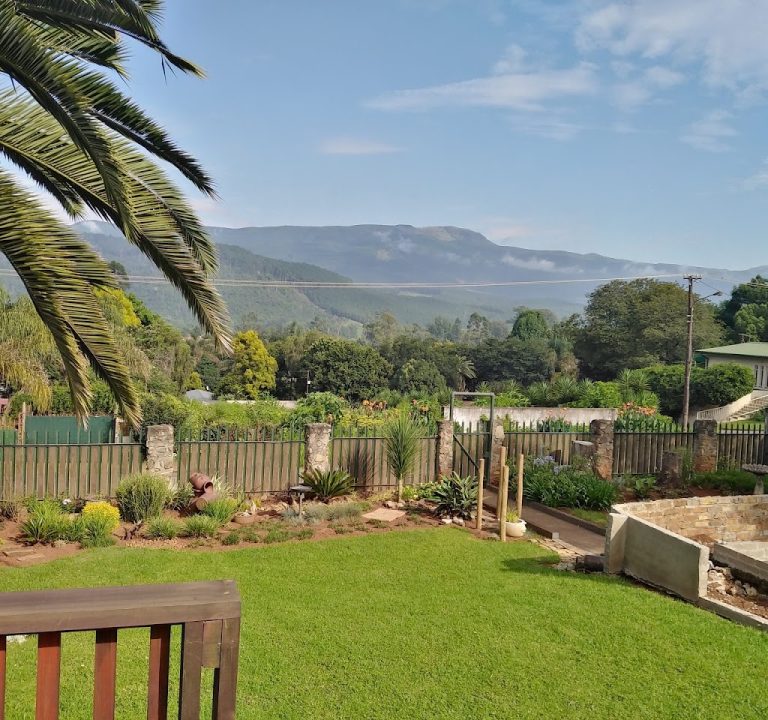
- Near the Graskop Road or along the Sabie River: Properties on the outskirts often offer more space, forest scenery and a quieter ambience, sometimes with balconies or terraces that face the hills and trees.
- Close to nature reserves or viewpoints: If your focus is wildlife and scenery, look for lodges or guesthouses with easy access to forest trails, waterfalls and sunrise viewpoints.
Typical amenities to look for include reliable Wi‑Fi, heating or underfloor heating for cool evenings, comfortable bedding, a well-equipped kitchen or pantry, secure parking, and clear house rules about quiet hours. Some properties provide extra touches such as braai (barbecue) facilities, hot tubs, or guided local tours. If you expect to dine out, check whether your stay includes breakfast or has guest access to a communal kitchen for self-catering days. It is also worth confirming whether the property offers laundry facilities, as longer stays in Sabie may benefit from convenient laundry access.
Transport and getting around Sabie are straightforward for most visitors. The town itself is compact enough to explore on foot or by bicycle, with local shops and eateries within a short stroll of many guesthouses. If you plan day trips to the Panorama Route, forest trails or Kruger Park entrances, a car is usually the most practical option. Rental cars are commonly available in the region, and the road network to Sabie is generally well maintained, though some scenic routes may be narrow or winding. If you will rely on public transport, check schedules in advance and consider coordinating with hosts who may offer private transfers or local guidance.
The best time to visit Sabie depends on your interests. Spring (September to November) brings blooming flowers and milder days, making it a wonderful period for hiking and nature photography. The summer months (December to February) offer lush green landscapes and cascading waterfalls, but afternoon thunderstorms are common, so plan outdoor activities for the morning or late afternoon. Autumn (March to May) features cooler evenings and clear skies, ideal for scenic drives and sunset views. Winter (June to August) tends to be cool and crisp, with clear visibility from viewpoints—perfect for stargazing on dry, clear nights. Remember that Sabie is part of a region with microclimates, so packing layers is wise regardless of the season.
Planning tips to make the most of your stay:
- Book early if you plan to visit during school holidays or peak festival periods, as Sabie settings fill quickly.
- Consider properties with flexible cancellation policies, especially if your plans may change due to weather or seasonal closures.
- Check access to attractions at your planned times—some trails or viewpoints may have limited access during late afternoon hours or after heavy rain.
- Ask hosts for area recommendations, including less-crowded viewpoints, forest walks and family-friendly routes suitable for younger travellers.
- Pack appropriately for outdoor activities: sturdy walking shoes, a light rain jacket, sun protection and plenty of water for day trips.
When it comes to local dining and experiences, Sabie offers a relaxed, informal dining scene. Expect cafés and family-friendly restaurants serving hearty, traditional fare and locally sourced ingredients. Many establishments near the town centre provide comfortable indoor seating with scenic outdoor areas, ideal for a post-hike meal or a casual evening out. For a taste of local hospitality, look for venues that emphasise seasonal dishes and the chance to try regional flavours. While specific menus and outlets can change, most visitors appreciate a mix of wholesome breakfasts, farm-to-table lunches and simple, well-prepared dinners after a day spent exploring the area.
Accommodation example: 49 on Main is one option in Sabie that focuses on self-catering comfort with practical facilities for guests. It presents an appealing base for travellers looking to explore the surrounding forests, waterfalls and scenic drives, while enjoying the convenience of a central location. You can learn more about the property and current availability at their website: 49 on Main.
Ultimately, a stay in Sabie offers a blend of easy accessibility, natural beauty and relaxed hospitality. By selecting a well-located base, planning around peak dry and rainy periods, and keeping a flexible itinerary, you can maximise your time for walks, viewpoints and refreshing breaks in between your adventures along the Panorama Route and beyond.