Exploring Cape Town: Where to Stay, What to Do, and How to Plan Your Visit
Cape Town and the surrounding Western Cape offer a rich mix of accommodation options, from stylish city pads with skyline views to tranquil self‑catering stays in wine country. Planning a stay that balances location, transport links, and the rhythm of your days can make all the difference between a rushed visit and a relaxed, memorable break. Whether you crave a seaside apartment on the Atlantic Seaboard, a chic hotel in the City Bowl, or a countryside escape in the Winelands, you’ll find properties that suit a range of needs and budgets.
Areas to consider
– The V.A. Waterfront and the Downtown/City Bowl area provide easy access to museums, markets, restaurants and harbour strolls, with hotels that range from boutique to contemporary high-rise. This is ideal for walkers and those who want to be in the heart of the action.
– The Atlantic Seaboard, including Camps Bay and Clifton, offers dramatic sea views, sandy beaches and a more luxurious, laid‑back ambience. Look for self‑catering apartments or boutique hotels that emphasise outdoor living and access to coastal paths.
– Green Point and De Waterkant mix trendy cafés, nightlife and convenient transport links, with well-connected routes to the city centre and surrounding sights.
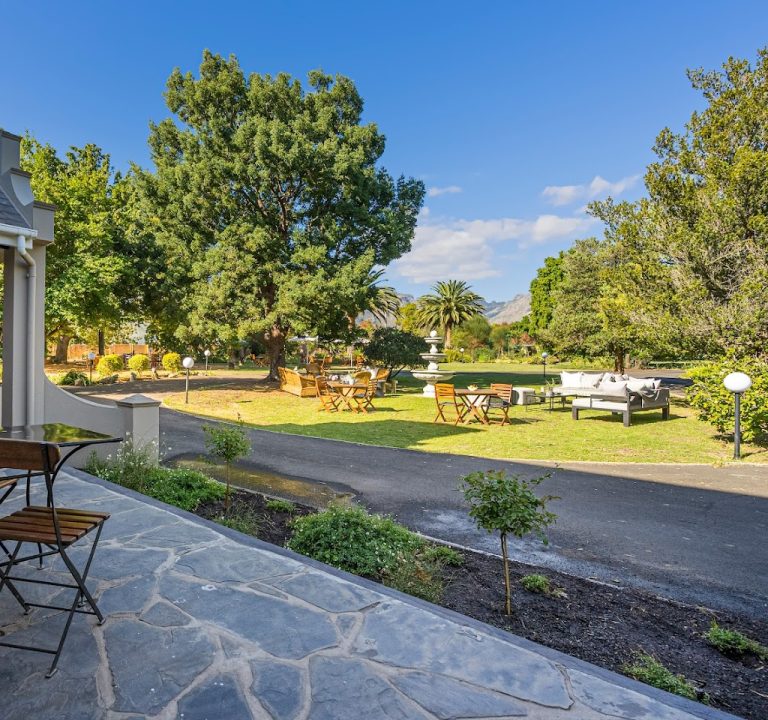
– Constantia and the Constantia Valley provide leafy tranquillity, easy access to wine estates and tranquil guesthouses or self‑catering cottages, a good option for travellers seeking a slower pace.
– The Southern Suburbs, including areas such as Newlands and Rondebosch, offer a quieter base with good access to Table Mountain, Kirstenbosch and the university precincts, often at excellent value for families.
What to look for when booking
– Location: Consider what you want to do most—table mountain viewpoints, beaches, vineyards or city sights—and choose a base that minimises daily travel time. Proximity to public transport or reliable ride-hailing is a plus.
– Self‑catering vs. hotel services: Self‑catering can offer more space and flexibility for longer stays or families, while hotels provide daily housekeeping, reception support, and on‑site dining. Some properties blend both, with guest rooms plus shared kitchen facilities.
– Amenities: A well‑equipped kitchen or kitchenette, laundry facilities, secure parking, Wi‑Fi, and air conditioning are common in popular Cape Town stays. Look for heated towel rails in cooler months and comfortable seating for evening downtime after days outdoors.
– Transport access: Check whether the property provides shuttle services, has easy road access, or is a short walk from MyCiTi bus stops or rail links. For road trips along the Winelands or coast, consider parking availability and garage facilities.
– Safety and access: In many urban areas, secure entry systems, a 24‑hour reception, and well‑lit surroundings contribute to peace of mind, especially for first‑time visitors exploring late evenings.
Typical stays and what they offer
Many travellers choose a mix of stays to balance convenience and immersion. An apartment near the Waterfront or City Centre may feature a compact kitchen, laundry facilities and strong Wi‑Fi, making it convenient for longer stays or work‑life blending. Boutique hotels in central districts often offer stylish rooms with excellent breakfast options and easy access to museums, markets and harbour cruises. In the Winelands, self‑catering cottages or lodges can provide a cosy base for day trips to Stellenbosch, Franschhoek or Paarl, with a sense of rural calm, wine-tasting experiences and scenic drives.
Transport and getting around
Public transport in Cape Town is evolving, but a planning mindset helps. The MyCiTi bus network offers routes between the city centre, the Atlantic Seaboard and suburbs, while rideshare apps are widely available. If you plan day trips to the Cape Winelands or coastal viewpoints, a rental car provides flexibility, though many excursions are available as guided tours from central hubs. Walking is superb in the central districts, and coastal trails along the Atlantic Ocean offer dramatic viewpoints and photo opportunities.
Best time to visit
Cape Town enjoys year‑round appeal. Spring (September to November) brings temperate weather and flowering landscapes, while autumn (March to May) offers pleasant temperatures and fewer crowds. Summer (December to February) is peak season for beaches and outdoor activities, with long days and vibrant street life. Winter (June to August) can be cooler and wetter, yet it’s a good time to enjoy cultural events, museum visits and cosy dining, with potentially lower prices on accommodation outside peak weeks.
Activities, attractions and dining in general terms
Iconic natural attractions sit alongside vibrant urban scenes. You might spend mornings exploring markets or museums, afternoons hiking or taking scenic drives along the coast, and evenings sampling a mix of modern bistros and traditional South African eateries. Scenic viewpoints, such as coastal overlooks and mountain trails, are part of most itineraries, while wine estates in nearby valleys offer tastings and strollable grounds. Dining options range from casual cafés with great breakfasts to refined restaurants focusing on local ingredients and seasonal menus. For those seeking a fuller experience, guided tours can provide insight into the region’s history, wildlife, and landscape, with routes that emphasise scenic drives, coastal towns and winelands estates.
- Tip: for a balanced stay, plan a couple of midweek nights in the city and a couple in a quieter winelands setting to reduce daily transfers and maximise downtime.
- Tip: book accommodation with flexible cancellation and clear check‑in instructions, especially if you’re arriving after dinner hours or during shoulder seasons.
Operational note: a self‑catering option such as Winelands Golf Lodges can offer a convenient base for exploring both the Winelands and the Cape coastal corridor, combining privacy with access to well‑equipped kitchens and outdoor spaces. For further planning, consult official tourism resources to get up‑to‑date listings of lodging, experiences, and routes: Cape Town Tourism.
Whether you are drawn by the magnetic coastline, the wine routes, or the rich cultural scene, Cape Town’s accommodation landscape is designed to help you tailor a stay that fits your pace and interests. Planning with intention—selecting the right neighbourhood, confirming transport options, and balancing activities with downtime—ensures a rewarding visit to one of the world’s most varied and welcoming destinations.