Exploring Cape Town: Accommodation, attractions, and practical tips for a memorable stay
Cape Town combines dramatic scenery with a vibrant urban energy, making it a favoured destination for travellers seeking natural beauty, heritage, and varied dining. When planning a stay in the Western Cape, the choice of neighbourhood can shape your daily experiences as much as the lodging itself. From sweeping Atlantic coastlines to verdant valleys and historic districts, there are options to suit different budgets and travellers, whether you prefer a cosy guesthouse, a stylish boutique hotel, or a self-catering cottage.
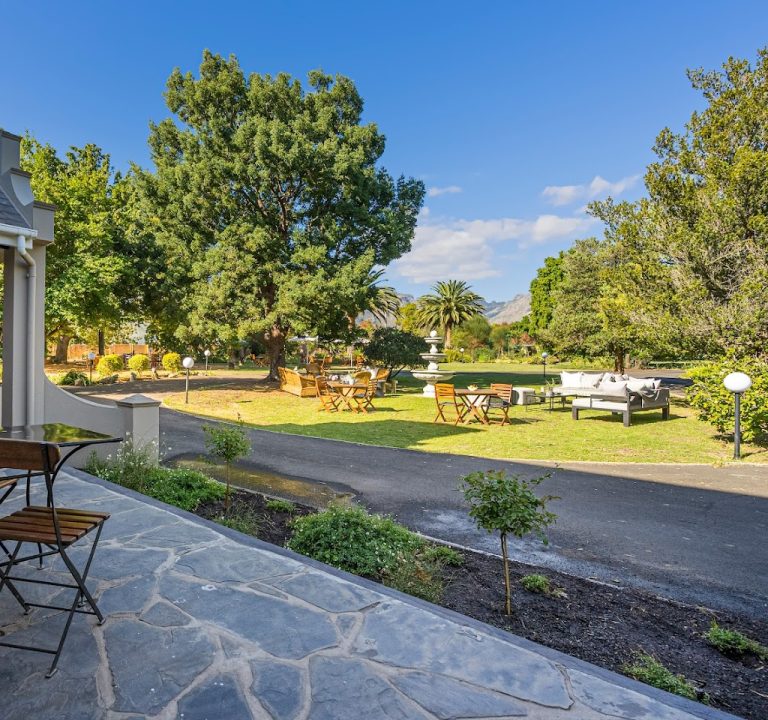
For those seeking a personalised base, smaller guesthouses and cottages often offer warm hospitality, homely decor and convenient access to prevailing attractions. An example of lifestyle lodging can be Vinehill Guest Cottages, which presents a relaxed, self-contained option with garden surroundings and easy reach to the Cape countryside. See their official site for more details: Vinehill Guest Cottages.
When choosing where to stay, consider the rhythm you want from your visit. The bustling city centre and the V&A Waterfront provide easy access to museums, markets, and nightlife, but the coastline of Camps Bay and Clifton offers spectacular sunsets and beach days. Constantia and Hout Bay present lush, scenic drives and wine routes nearby, while Green Point and De Waterkant place you close to modern amenities and the harbour scene. If you plan day trips to the Cape Peninsula, a central location with car access can be particularly convenient.
Typical amenities to look for include reliable Wi‑Fi, secure parking or easy valet options, well-equipped kitchen facilities if you’re self-catering, and clear access to public transport or rideshare routes. Heaters or air conditioning are worthwhile considerations depending on the season, given Cape Town’s varied climate. For families or longer stays, consider properties with separate living areas, laundry facilities, and flexibility around check-in timings. Safety features and 24-hour reception or on-site staff can provide extra peace of mind, especially for first-time visitors.
Public transport in Cape Town is improving but can vary by area. The MyCiTi bus network covers major routes across the city and suburbs, while Uber and other ride-hailing services are widely available. If you are staying closer to the Atlantic Seaboard or the southern suburbs, a car can be convenient for morning excursions to the mountains and day trips to nearby towns. For those who prefer a car-free stay, choose accommodation with easy access to decent walking routes or short rides to main transit hubs.
Best time to visit Cape Town generally aligns with its dry season, which runs from late summer to autumn. December to February is warm and lively, with longer daylight hours and numerous outdoor events, but it is also peak season, so expect higher occupancy and prices. March to May offers more moderate temperatures and quieter streets, while September to November brings spring colours, especially around Kirstenbosch and the winelands. If you are seeking dramatic scenery with fewer crowds, consider shoulder seasons and the cooler winter months for hiking and exploring the coastal paths, equipped with appropriate clothing for changeable weather.
While in Cape Town, there are several classic experiences that many visitors choose to combine with their stay. Iconic outdoor highlights include a cable car or scenic hike up Table Mountain, a visit to the Cape Point reserve, and a stroll along the pathways of Kirstenbosch Botanical Garden. The Cape winelands at nearby Constantia, Stellenbosch, and Franschhoek offer vineyard tastings and refined dining in surrounding estates. The V&A Waterfront presents a lively mix of shops, markets, and waterfront dining, while the historic roasteries and markets give a flavour of local craft and street food culture. For a reflective moment, Robben Island and the District Six Museum provide perspectives on the city’s layered history.
Restaurants in Cape Town vary from casual bistros to high-end dining rooms. Expect creative use of seasonal ingredients, global influences, and strong emphasis on seafood and South African flavours. Many areas encourage a relaxed night out with friendly service, so you can enjoy a spectrum of dining options without travelling far from your accommodation. When planning meals, it can be helpful to reserve a table in peak seasons or on weekends, particularly for popular spots along the Atlantic Seaboard or in the city centre.
To help you plan a balanced itinerary, you might consider a short initial stay in a central area to acclimate and then branch out to the surrounding suburbs for day trips. A practical approach is to map your must-see sites against your lodging’s location, noting travel times and potential traffic patterns at different times of day. In addition to mainstream sights, allow for time to stroll coastal paths, browse markets, and relax in a park or garden. A well-rounded stay in Cape Town blends memorable views, convenient lodging, comfortable amenities, and a few thoughtfully chosen experiences that reflect your interests.
- Look for accommodation with clear access to reliable transport and safe, well-lit surroundings.
- Choose a base within reasonable reach of Table Mountain, the Cape Peninsula, and the winelands to minimise long drives.
- Balance days with a mix of outdoor activities, cultural visits, and leisure time by the coast or in markets and cafés.
- Factor shoulder-season stays for better value and fewer crowds while still enjoying pleasant weather.
- Check for self-catering options or kitchen facilities if you prefer flexible meals or longer stays.