Accommodation and attractions in Wellington, Western Cape: planning a comfortable stay
Nestled in the foothills of the Helderberg and so close to Cape Town yet distinctly relaxed, Wellington in the Western Cape offers a welcoming base for travellers seeking a blend of countryside charm and easy access to the Cape’s renowned wine lands. Whether you prefer boutique hotels, guesthouses, or self-catering stays, you’ll find options that cater to a range of budgets and styles. When planning your visit, think about which neighbourhoods suit your itinerary, how you plan to get around, and the pace you want for your days.
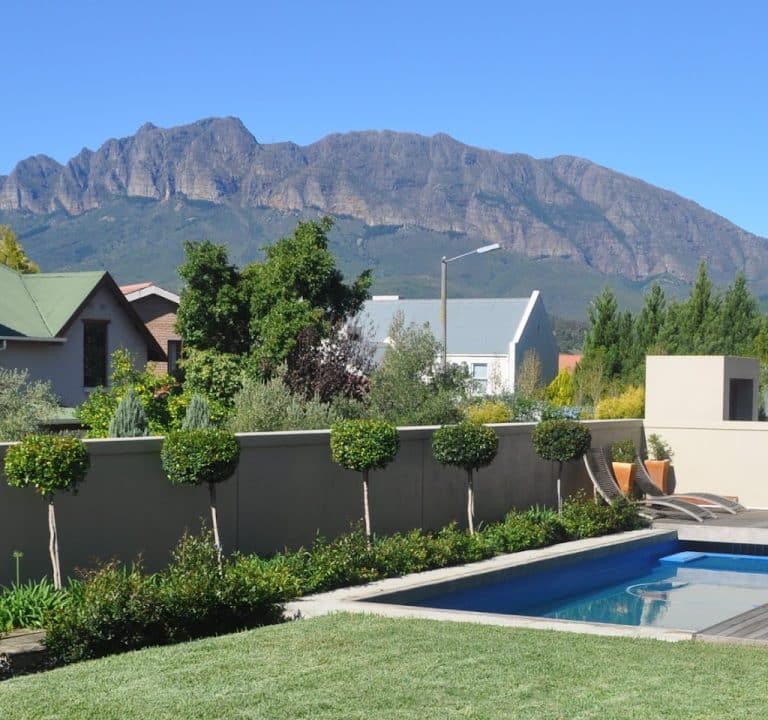
Areas to consider when choosing where to stay include the town centre, where guesthouses and small hotels tend to cluster and provide convenient access to shops, eateries, and walking routes. For a more peaceful retreat, look to boutique properties on the surrounding hillsides or near agricultural estates, where quiet mornings and panoramic views are common. If you’re visiting with family or a group, self-catering or apartment-style stays can offer practical space and flexibility, while couples may prefer smaller inns with a cosy, intimate atmosphere.
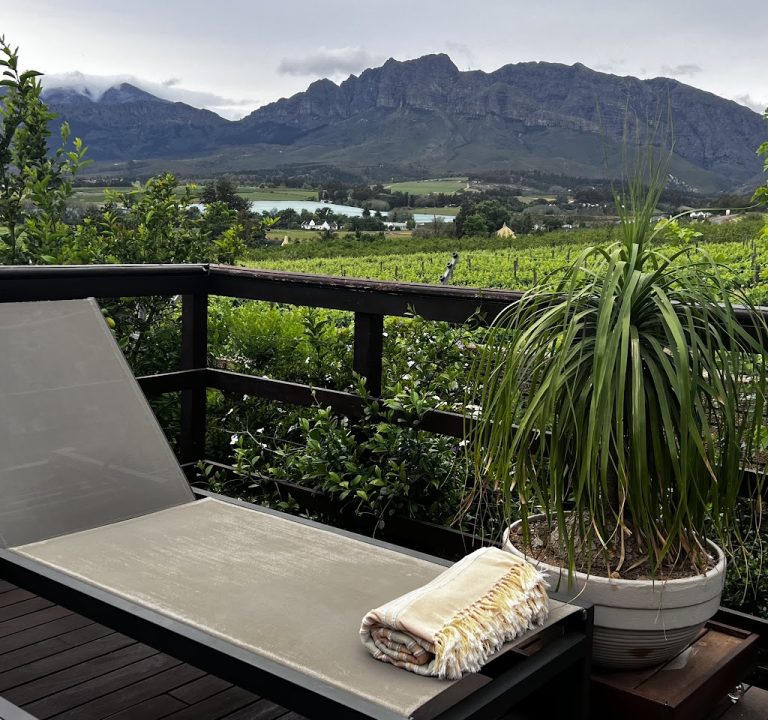
Typical on-site amenities to look for include reliable Wi‑Fi, secure parking, breakfast options, and self-catering facilities. Many properties in Wellington offer outdoor spaces such as patios or verandahs where you can enjoy views, fresh air, and sunset moments. A generous parking arrangement is worth confirming if you plan to hire a car, and enquire about late check‑in options if your travel is timetable-driven. Some boutique properties also provide recommendations for local experiences, from wine tastings on nearby estates to guided nature walks.
Transport is straightforward for visitors who hire a car, which remains the most flexible way to explore Wellington and the greater Winelands. The town sits along routes that link you to surrounding wine estates, scenic viewpoints, and other towns within easy driving distance. If you prefer not to drive, check whether your accommodation offers shuttle services or can arrange transportation to key sites. Keep in mind that taxi and rideshare availability can be more limited outside the city bowl, so plan accordingly for early starts or late finishes.
Best time to visit Wellington tends to reflect the broader Winelands climate. Spring and autumn bring pleasant temperatures for outdoor activities, with fewer crowds than peak summer. The region enjoys warm, dry summers and cooler winters; some travellers favour winter for cosy evenings in fenced courtyards and fireside lounges, while others chase spring blooms and the green countryside. If you’re planning vineyard days, consider midweek visits to enjoy a calmer experience, and always check harvest periods or maintenance closures that may affect certain estates.
When it comes to planning activities, Wellington offers a mix of outdoor pursuits, culture, and food-centred experiences. In the countryside, you can expect scenic walks and trails that range from gentle riverside strolls to more challenging hill walks with rewarding views. The surrounding wine estates provide opportunities for wine tastings and cellar-door experiences, often paired with rustic eateries or picnics amid vineyards. For a taste of local heritage, you may find small museums or cultural centres that illuminate the region’s history and farming traditions. Communities nearby place a strong emphasis on hospitality, so many venues will be happy to tailor recommendations to your interests, whether that means a relaxed day by the pool, a countryside cycle ride, or a mountain hike followed by a restorative meal.
Food lovers will discover a range of dining options that reflect farm-to-table sensibilities and regional fresh produce. Expect menus that celebrate seasonal ingredients, with casual bistros and more refined eateries available depending on your mood and itinerary. In Wellington, it’s common to find places that specialise in approachable dishes, wood-fired or charcoal-cooked items, and wholesome comfort food, all complemented by well-chosen local wines from nearby estates. If you’d like a broader gastronomic sweep, plan a day trip to nearby towns in the Winelands, where a wider range of restaurants and tasting rooms can be explored along a curated route.
Practical tips to help you maximise your stay:
- Book in advance for weekends and during harvest season to secure preferred accommodation and dining slots.
- Ask your host or front desk about local walking routes and safe, scenic loops that suit your fitness level.
- Confirm parking arrangements if you’re driving a rental car, and identify last-mile options for evenings out.
- Pack layers to adapt to changing temperatures, especially if you’ll be outdoors in the mornings or evenings.
- Bring a light appetite for the day’s wine-tasting route, but plan ahead for transportation between estates if you’re sampling wines.
- Check opening times for attractions and whether guided tours are available, as some venues operate on seasonal schedules.
In summary, Wellington offers a welcoming base with a choice of accommodation that ranges from comfortable guesthouses to stylish hotels, all complemented by easy access to nature, wine estates, and relaxed dining settings. By selecting the right area for your stay, confirming practical amenities, and planning a balanced itinerary of outdoor activities, wine experiences, and culinary discoveries, you can enjoy a restorative and richly rewarding visit to this part of the Western Cape. For further inspiration and booking ideas, you can explore official tourism information and property websites to tailor your stay to your interests.