Staying in Wellington, Western Cape: where to stay and what to do
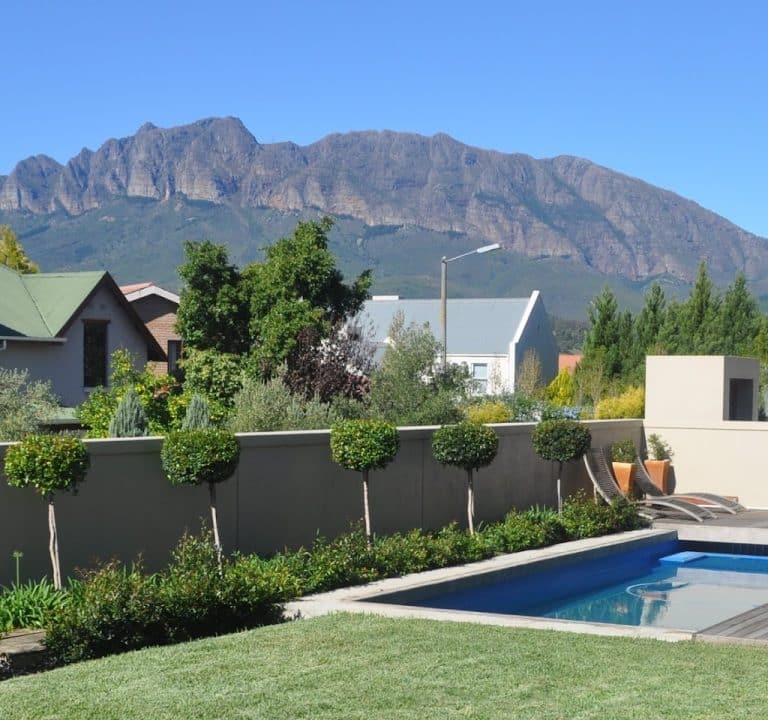
Wellington, tucked between the Helderberg and Kasteelberg ranges in South Africa’s Western Cape, offers a relaxed base for travellers seeking scenic landscapes, wine routes and easy access to both the Cape Town metropolis and the Garden Route. Its accommodation scene ranges from welcoming bed & breakfasts to intimate guesthouses and boutique stays, all designed to pair comfort with a sense of place. A stay at June’s Place, a charming bed & breakfast, can set a cosy tone for exploring the region, especially for visitors who value thoughtful hospitality and relaxed domestic spaces.
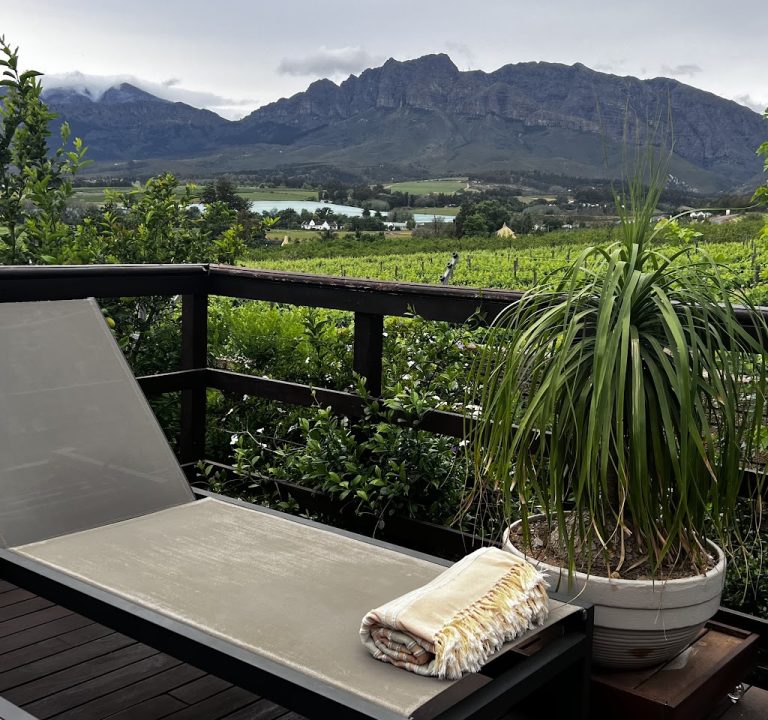
When planning a stay, consider the area that best suits your interests. Central Wellington provides easy access to town facilities, local markets and historic architecture, while the surrounding countryside offers sweeping views, farms and vineyard estates. If you are chasing wine-tasting experiences, look for stays near the burnout of the Stellenbosch, Franschhoek and Paarl wine routes, as these areas are reachable via short drives and make day trips straightforward. For a quieter escape, opt for a rural guesthouse or a self-catering cottage on the outskirts, where you can enjoy sunsets over the plains and early morning birdsong from a private verandah.
Typical accommodation features to look for include a private entrance or dedicated guest space, on-site parking, complimentary breakfast or a kitchenette for flexibility, and reliable Wi‑Fi if you need to stay connected. Many B&Bs and guesthouses in Wellington pride themselves on personalised service, with hosts who can offer local tips, guided walks, or reservations at nearby vineyards. Check the booking details for room configuration (en-suite facilities are popular), cleanliness standards, and whether there are communal spaces such as guest lounges or courtyards where you can unwind after a day’s ventures.
Transport planning is important. A car is the most convenient way to explore Wellington and the surrounding wine districts, giving you freedom to visit multiple estates and hiking trails at your own pace. If you’re staying outside town, confirm parking arrangements and access times, especially if you arrive late. For day trips to Cape Town or coastal towns, factor in peak-hour traffic and seasonal road recommendations. Some properties may offer shuttle or transfer options or can arrange a guided outing to nearby attractions.
Best time to visit Wellington blends climate and activity. Spring (September to November) brings mild temperatures and vibrant landscapes, making it ideal for outdoor walks and winery visits. Summer (December to February) is warm and lively, with long days perfect for longer outings, though be prepared for occasional showers. Autumn (March to May) offers cooler, comfortable weather for scenic drives and birdwatching, while winter (June to August) brings cooler mornings and the possibility of misty days, which can add to the charm of the surrounding mountains. Booking ahead for harvest season or school holidays is wise, as demand for rooms and experiences can rise during peak travel periods.
Food and drink are a key part of the Wellington experience. Restaurants and informal eateries nearby typically showcase fresh local produce, with menus that reflect the seasonal harvest and wine-country influences. Even if you do not plan to dine out every night, a couple of meals at nearby farms or wine estates can become memorable highlights, paired with regional wines. Many accommodation providers can offer recommendations or arrange reservations, often with practical extras such as packed breakfasts for early departures or picnics for vineyard days.
Planning practicalities can help you make the most of your stay. Consider whether you prefer a compact in-town base with quick access to shops and bakeries, or a tranquil countryside setting with room to relax and contemplate the views. Look for host-guest interaction that matches your style—some guests appreciate daily conversations and local anecdotes, while others prefer more privacy. If you’re travelling with family or friends, check for multi-bedroom options or larger suites, as well as facilities such as laundry services or communal gardens for evening gatherings.
Attractions and activities in and around Wellington are broad enough to suit a variety of interests without needing a strict timetable. You can explore nature reserves and ridges on light, well-marked trails, visit historic buildings and museums to gain insights into the region’s past, or take a leisurely drive through countryside lanes to stop at a few wine estates for tastings. For a relaxed day, a picnic in a park or open space with views across the valley can be a wonderful way to unwind. If you enjoy artisan products, seek out markets or farm shops that showcase regional cheeses, preserves and crafts.
Practical tip: when booking accommodation, read recent guest reviews for notes on cleanliness, the helpfulness of hosts, and any seasonal considerations such as air-conditioning in hot months or heating in winter. Confirm what is included in the rate, such as breakfast, parking, and internet access, and check cancellation policies in case your plans shift. Finally, check the property’s own website for location details, nearby attractions, and suggested walking routes or day trips, so you can tailor your stay to your interests from the outset.
- Plan your Wellington stay with a mix of in-town comfort and rural vistas to balance convenience and scenery
- Choose accommodation with clear parking, reliable Wi-Fi and friendly, knowledgeable hosts
- Factor in travel time to wine estates, markets and nature trails when arranging day trips
- Investigate best seasons for outdoor activities and book ahead during harvest periods