A Stay in Cape Town: Accommodation, Attractions and Planning Your Visit
Cape Town is a city of dramatic contrasts, where mountains meet the sea and a easy-to-navigate mix of neighbourhoods offers something for every traveller. When planning a stay, consider how you want to experience the city: a restful base with quick access to beaches, a buzzy urban hub close to restaurants and nightlife, or a tranquil escape in the surrounding countryside. Depending on your priorities, you can tailor an itinerary that balances mornings in nature with leisurely afternoons exploring local markets, museums, and eateries.
Accommodation in Cape Town comes in a broad range of styles and prices. Areas to consider include the City Bowl for central access to sights and dining; the Atlantic Seaboard, including Camps Bay and Clifton, for coastal views and beach days; the Constantia Valley for wine routes and leafy tranquillity; and the atmospheric townships and harbour environs that reveal the city’s historic and cultural layers. For a quieter stay that’s still within easy reach of the main sights, suburban neighbourhoods a short drive from the centre offer good transport links and calmer evenings. A well-situated boutique hotel or guesthouse can act as a comfortable springboard for day trips to table-top landscapes, penguin colonies along the False Bay coast, or the scenic no. 1 coastal road route along the Atlantic coast.
When choosing a place to stay, consider a few practical factors. Accessibility to public transport or reliable ride-hailing options is important if you plan to avoid long drives. Check whether accommodation has on-site parking if you’ll hire a car. Look for rooms with en-suite bathrooms, adequate storage, a good desk if you need to work, and reliable Wi-Fi. A generous breakfast or easy breakfast options can be a big plus, saving you time in busy mornings. If security is a concern, read guest reviews about safety features and neighbourhood vibe after dark. For a more immersive experience, some boutique properties offer personalised recommendations on local routes, markets, and short guided walks that introduce you to the area’s history and culture.
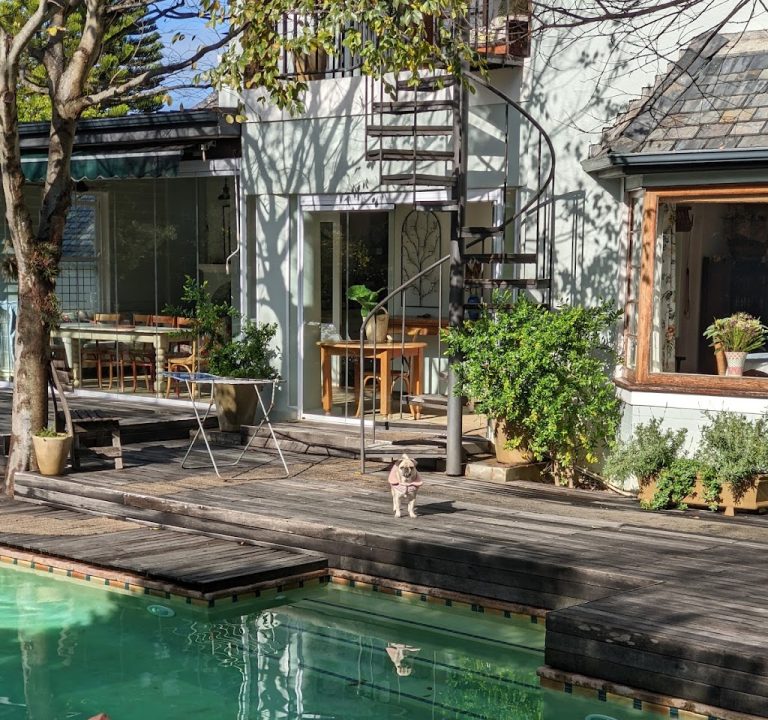
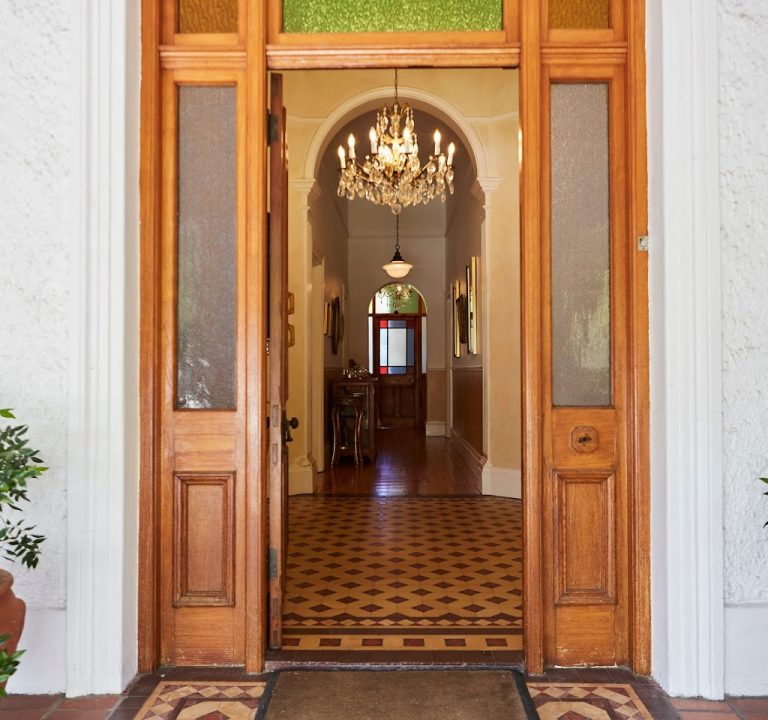
One example of thoughtful accommodation is Wild Olive Guest House, a characterful option that combines comfort with a friendly, personalised approach. Properties like this often emphasise a welcoming atmosphere, well‑maintained spaces, and convenient access to key routes into the city centre, the Victoria & Alfred Waterfront, and the scenic coastal drives. Visitors can expect well-appointed rooms, ensuite facilities, and options for self-catering or refreshed breakfasts, alongside helpful staff who can point guests toward current local dining and activity suggestions. For more details, their official website provides an overview of rooms, location and guest services.
Typical amenities you may encounter during a Cape Town stay include free Wi‑Fi, air conditioning or heating, daily housekeeping, and self-catering facilities in some units. Outdoor spaces are particularly valued—think sunny verandas, courtyards, or rooftop decks with views of mountains or ocean. Many properties offer a pool, courtyard garden, or access to nearby beaches. In terms of dining, a good B&B or guesthouse will often provide a substantial breakfast plus helpful information on nearby cafés and markets where you can sample Cape Malay dishes, fresh seafood, and seasonal produce. If you’re planning longer stays, check whether the accommodation can arrange airport transfers, guided walks, or tours to nearby attractions such as nature reserves, wine estates, and historic sites.
Planning your itinerary also means balancing iconic attractions with off‑the‑beaten‑path experiences. The city’s natural beauty is best enjoyed with careful timing: cool mornings for scenic viewpoints or hikes, followed by gentler afternoons exploring the Old Harbour, markets, and museums. The coastal routes offer spectacular photography opportunities, while the winelands to the north and Constantia to the south provide tranquil day trips with opportunities for tastings and light meals. For a balanced visit, set aside time for a forest trail or a cable-car ascent if you’re exploring the more mountainous areas, and reserve evenings for sunset moments over the ocean from a clifftop vantage or a rooftop terrace in one of the harbour-adjacent districts.
- Choose a base with easy access to the central sights and a quick route to the coast or winelands.
- Look for rooms with en-suite facilities, reliable Wi‑Fi and flexible breakfast options.
- Consider a mix of urban explorations and nature-based day trips to avoid travel fatigue.
- Utilise reputable transport options; plan for peak traffic times and potentially steep hills in certain districts.
The best time to visit Cape Town is largely dictated by what you want to do. South Africa’s summer months (roughly November to February) bring warm weather ideal for beaches and outdoor activities, while spring (September to November) and autumn (March to May) offer milder temperatures and quieter crowds. Winter (June to August) can be cooler and wetter, but it also presents dramatic seascapes and fewer tourists, with great value on accommodation in certain areas. When planning a stay, check seasonal events or exhibitions that might influence availability and pricing, and consider booking several months in advance if you’re visiting during peak periods.
Finally, always keep a few practical tips in mind. England may be a long way away, but the Cape Town experience is very international in flavour—expect a friendly, cosmopolitan dining scene and a robust hospitality culture. Protect your belongings in public spaces, plan evening transport if you’re out late, and ensure you have a clear route back to your accommodation. With thoughtful planning, a stay in Cape Town can be as refreshing as it is inspiring, offering memorable views, delicious food, and access to some of South Africa’s most iconic landscapes.
For more information on potential stays, including properties that emphasise local hospitality, you can visit the official site of Wild Olive Guest House at its homepage: Wild Olive Guest House.